Contents13 sections
This guide was first published in German on handgetestet.de.
Which action camera should it be in 2026? For almost everyone who cycles, snorkels or skis, our answer is: the DJI Osmo Action 6. According to DJI, it combines a large sensor, waterproofing to 20 meters and long battery life without slipping into the most expensive class. You get more image quality with the 1-inch sensor of the GoPro MISSION 1 PRO, but it also costs the most. And if you want to choose the framing only after the ride, go for the Insta360 X6 360° camera.
Why does the sensor matter so much if they all film in 4K?
Because light gets scarce as soon as the sun is gone. At midday on the beach, almost all cameras look decent. At dusk, indoors or a few meters underwater, the field separates, and every bit of sensor area helps there. Among current top models, the range runs from 1/1.3 inch to 1 inch. Then there are night modes with their own names: SuperNight at DJI, PureVideo at Insta360 and the low-light mode of the GoPro MISSION series. They’re meant to reduce noise. They don’t work miracles.
And what keeps the picture steady?
Electronics. All the cameras here stabilize digitally; the methods are called HyperSmooth (GoPro), RockSteady (DJI) and FlowState (Insta360). More interesting than the name is horizon leveling, which keeps the picture level even when the camera tilts sharply. That’s exactly what is often missing in individual modes. If you want to film on a mountain bike, check the specifications beforehand to see which resolutions it works in.
What about water, cold and battery?
The waterproof ratings apply without a housing and range from 10 to 20 meters. For diving, you need an additional dive housing, which for most models goes down to 60 meters.
When it comes to the battery, be wary of the advertised figures. Manufacturers usually measure runtime at low resolution with the display off; in 4K or 8K, the battery runs out sooner. For a long day, pack a spare battery. Cold makes it worse: in winter, you should know the specified operating range, and it’s best to carry spare batteries warm on your body. Mounts are less of a worry, since many work across brands. Still, check before ordering whether the right accessories exist for your helmet, handlebars or chest strap.
Do I need 8K?
Usually not. 4K at 60 frames per second is almost always enough. 8K or high frame rates for slow motion only make sense if you plan to crop heavily or slow footage down later.
Then, however, you also have to pay for fast memory cards and a large hard drive.
With 360°, the trade-off is similar. A camera like this films all around, and you choose the framing afterward in the manufacturer’s app. That’s convenient while filming but costs time at your desk. Without this app, there’s no finished video at all, so take a look at it beforehand. A classic action camera, on the other hand, delivers usable clips right away.
Six cameras from GoPro, DJI and Insta360
| Model | Sensor and video (max.) | Waterproof without housing | Best for |
|---|---|---|---|
| GoPro MISSION 1 PRO | 1 inch, 50 MP; 8K60, 4K240 | 20 m | demanding filmmakers who put image quality before price |
| GoPro HERO13 Black | 5.3K60, 4K120 | 10 m | GoPro fans with existing accessories |
| DJI Osmo Action 6 | 1/1.1 inch, aperture f/2.0–f/4.0; 8K30, 4K120 | 20 m | all-rounders with an eye on low light |
| DJI Osmo Action 5 Pro | 1/1.3 inch; 4K120 | 20 m | budget-conscious buyers with high standards |
| Insta360 Ace Pro 2 | 1/1.3 inch; 8K30, 4K120 | 12 m | vloggers who want a flip screen |
| Insta360 X6 | 2 × 1/1.1 inch; 360° in 8K50 | 20 m | those who want to film all around and edit later |
GoPro MISSION 1 PRO: the new flagship, at a price
Since May 2026, it has topped GoPro’s lineup. GoPro speaks of a 1-inch sensor with 50 megapixels and the new GP3 processor. It films up to 8K60, up to 8K30 in open-gate format, plus 4K at 240 frames per second. With the Enduro 2 battery (2,150 mAh), GoPro promises more than three hours in 4K30.
All of that costs premium-class money. If you can do without a few video modes, you get the same sensor in the more affordable MISSION 1.
GoPro HERO13 Black: for anyone with GoPro accessories
A 2024 model that is still on sale. According to GoPro, it films up to 5.3K60 and stabilizes with HyperSmooth 6.0. It is only waterproof to 10 meters. In return, it takes the clip-on HB-series lenses, such as ultra-wide or macro, and the 1,900 mAh battery is said to last more than 1.5 hours in 4K30. If you already own a box full of GoPro mounts and can do without 1-inch image quality, there’s no need to switch.
DJI Osmo Action 6: large sensor with adjustable aperture
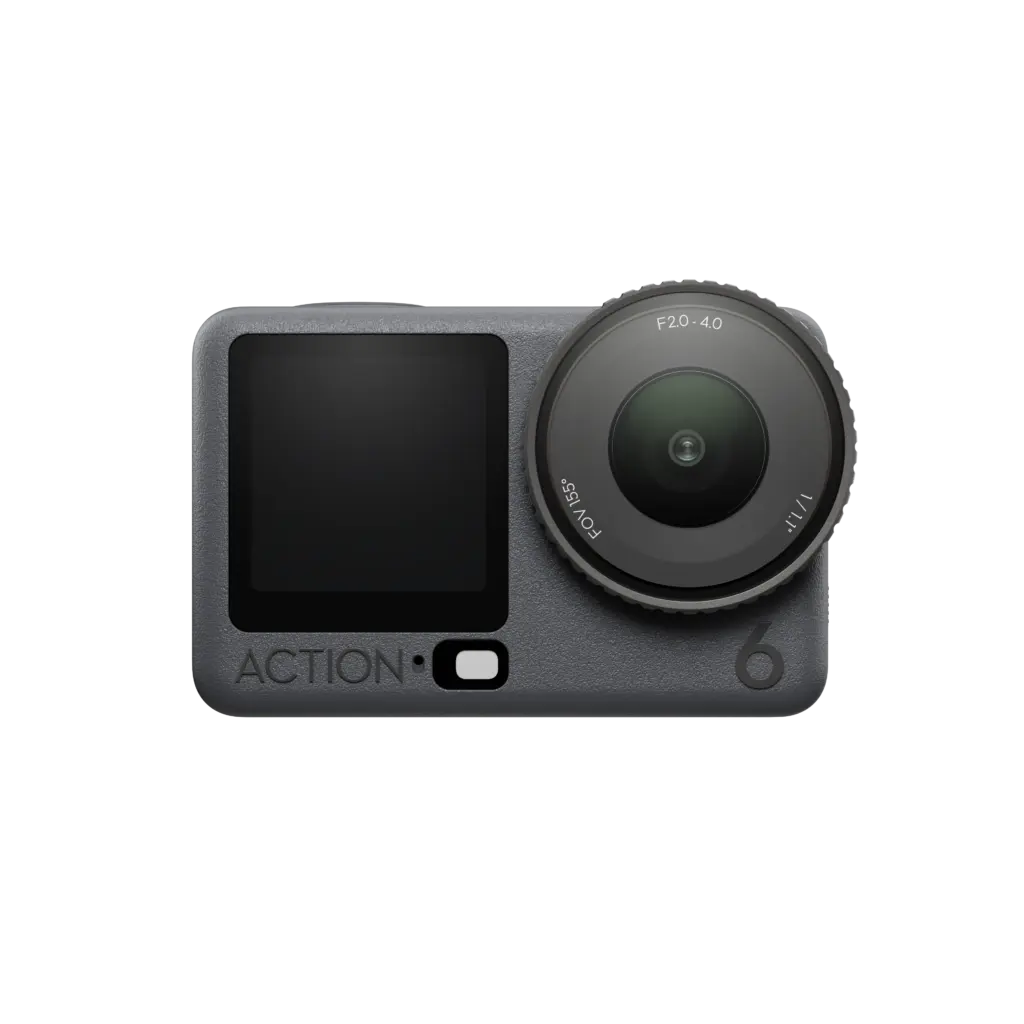
On sale since November 2025. DJI uses a square 1/1.1-inch sensor and an adjustable aperture from f/2.0 to f/4.0, something hardly any other action camera offers. It films up to 8K30 and survives 20 meters of water depth without a housing. However, DJI determined the stated 240 minutes of runtime at 1080p/24. For low light, the SuperNight mode is on board.
DJI Osmo Action 5 Pro: the predecessor as a money-saver
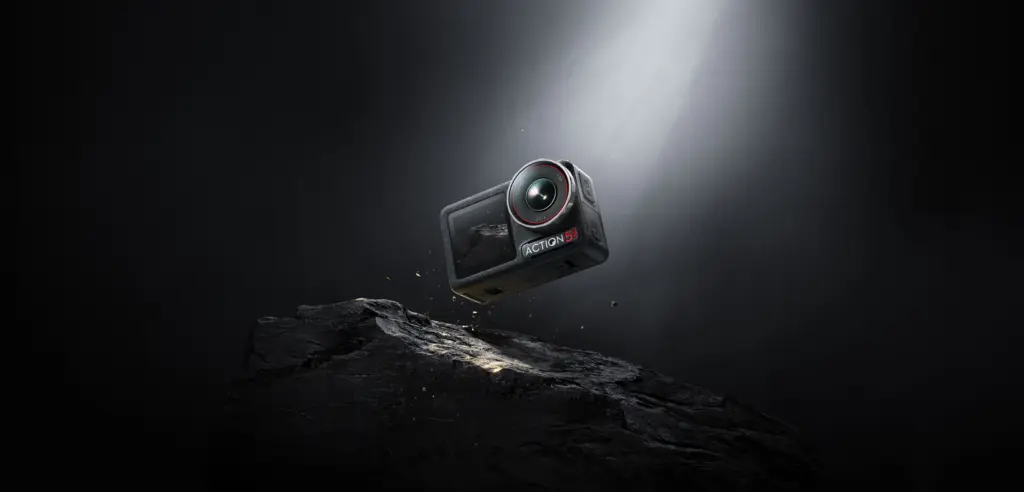
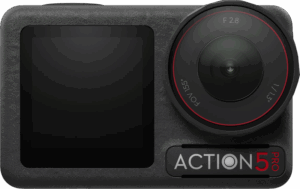
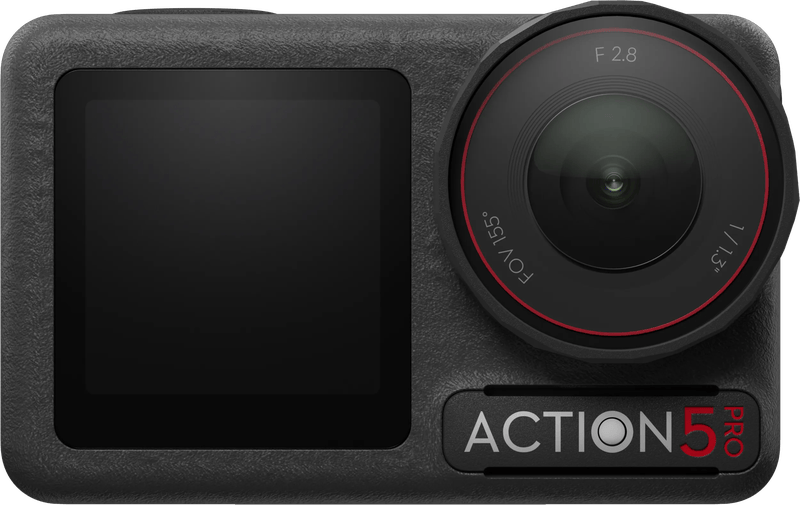
Is 4K enough for you? Then this is the sensible budget option. DJI specifies a 1/1.3-inch sensor, 4K at up to 120 frames per second and waterproofing to 20 meters. Here, too, DJI states 240 minutes of battery life, and 64 GB of storage is already built in. According to DJI, the operating range extends from −20 °C to 45 °C. So the ski slope is no problem.
Insta360 Ace Pro 2: with a flip screen for vlogs
Developed together with Leica, with a 1/1.3-inch sensor and up to 8K30. The real reason for this camera, though, is its flip screen (2.5 inches), which makes selfies and vlogs noticeably easier. To fight noise in low light, Insta360 relies on PureVideo. At 12 meters, it is waterproof to a shallower depth than the competition. That’s enough for snorkeling; if you want to go deeper, you’ll need a housing.
We use the Ace Pro 2 ourselves, including on the bike. In our hands-on review of the Insta360 Ace Pro 2, image quality and stabilization were convincing; for a full day of shooting, though, you’ll need extra batteries.
Insta360 X6: film first, decide later
The 360° camera has been available since August 2026 and works with two 1/1.1-inch sensors. Insta360 specifies 8K all around at up to 50 frames per second. In flat mode, it behaves like a classic action camera with up to 5K60. A nice detail is the user-replaceable lenses, because with two protruding lenses, a scratch happens quickly. Waterproof to 20 meters, premium-class pricing.
Which camera suits you?
Most readers are well served by the DJI Osmo Action 6: large sensor, adjustable aperture, waterproofing to 20 meters. If you count every euro and are happy with 4K120, take the Osmo Action 5 Pro, which according to DJI still films at −20 °C. Image quality above all else, even in low light? Then the GoPro MISSION 1 PRO with its 1-inch sensor and 8K60, at a corresponding price. Vloggers who want a flip screen end up with the Insta360 Ace Pro 2. If you already have GoPro accessories, stick with the HERO13 Black and its HB-series lenses. And the Insta360 X6 is for people who want to film all around in 8K and choose the framing later.
Frequently asked questions
Why is the sensor so important in action cameras?
At midday on the beach, almost all cameras look decent. At dusk, indoors or underwater, the field separates, and every bit of sensor area helps there. Among current top models, the range runs from 1/1.3 inch to 1 inch. Night modes such as SuperNight or PureVideo reduce noise, but they don't work miracles.
Does an action camera need 8K?
Usually not. 4K at 60 frames per second is almost always enough. 8K or high frame rates for slow motion only make sense if you plan to crop heavily or slow footage down later. Then fast memory cards and a large hard drive add to the cost.
How deep are action cameras waterproof?
Without a housing, the ratings range from 10 to 20 meters. The GoPro HERO13 Black only manages 10 meters, the Insta360 Ace Pro 2 12 meters, the DJI Osmo Action 6 and Insta360 X6 20 meters each. For diving, you need an additional dive housing, which for most models goes down to 60 meters.
How realistic are the battery life claims?
Manufacturers usually measure at low resolution with the display off; in 4K or 8K, the battery runs out sooner. DJI, for example, determined the Osmo Action 6's 240 minutes at 1080p/24. For a long day, pack a spare battery, and in winter preferably keep it warm on your body.
Is a 360° camera worth it instead of a classic action camera?
A 360° camera films all around, and you choose the framing afterward in the manufacturer's app. That's convenient while filming but costs time at your desk, and without the app there's no finished video. A classic action camera, on the other hand, delivers usable clips right away.
Which action camera is good for vlogging?
For filming yourself, the Insta360 Ace Pro 2 with its 2.5-inch flip screen makes the case. It has a 1/1.3-inch sensor and films up to 8K30. At 12 meters, it is waterproof to a shallower depth than the competition, but that's enough for snorkeling.
Sources
- GoPro: MISSION 1 (product page)
- GoPro: press release on the MISSION 1 series
- GoPro: HERO13 Black (product page)
- GoPro: Enduro battery for HERO13 Black
- DJI: Osmo Action 6, specifications
- DJI: Osmo Action 5 Pro, specifications
- Newsshooter: Insta360 Ace Pro 2 (manufacturer data)
- Insta360: press release on the X6
Where to buy
- GoPro MISSION 1 PROView at CoolblueCheck price at Amazon.de
- GoPro HERO13 BlackCheck price at Amazon.de
- DJI Osmo Action 6Check price at Amazon.de
- DJI Osmo Action 5 ProView at CoolblueCheck price at Amazon.de
- Insta360 Ace Pro 2Check price at Amazon.de
- Insta360 X6Check price at Amazon.deView at Coolblue