Contents13 sections
This guide was first published in German on handgetestet.de.
Two weeks of vacation, a dozen pots on the windowsill, and the neighbor only has time on weekends. This is exactly where two types of device part ways that retailers like to lump together under „smart plant care“. A plant sensor like the FYTA Beam G2 tells you when a plant needs water. It can’t water. For that, there are systems like Gardena’s vacation watering set or Blumat’s clay cones. If you want both, you buy two things.
Measuring or watering: what do you really need?
A sensor pays off if you’re at home and unsure about watering. You see on your phone whether the soil around the roots is still moist instead of sticking your finger into the pot. For when you’re away, it helps little on its own. It reports the dry Monstera, but it doesn’t top up a single drop.
Watering systems work on two principles. The Gardena set pumps on a timer: according to the manufacturer, one minute per day, regardless of how wet the soil currently is. Blumat relies on a clay cone that draws water from a container and releases it into the soil; the seller writes that the plant thus gets the amount it actually needs. Neither has a measurement with a display.
What does a plant sensor measure, and which value counts?
Soil moisture is the value everything revolves around. The FYTA Beam G2 also measures the salinity of the soil (EC), which the manufacturer uses as an indication of the nutrient supply. In the app, that becomes the fertilizer reminder. Add to that light as usable light energy (PPFD and daily light integral DLI) and the temperature at the location. The Ecowitt WH51, on the other hand, only measures moisture, but can be calibrated to the specific soil type. Ecowitt itself writes in the manual that the sensor usually needs to be adjusted to the soil.
How good the values are often depends on the installation. FYTA requires the rods to be fully in the substrate, without an air gap, and not to touch the bottom of the pot or a drainage layer of expanded clay. The rod length depends on the pot: for a substrate depth of 15 to 20 cm, FYTA recommends 11 cm; for 30 to 40 cm, 20 cm. A rod that’s too short measures the top layer. That dries out first.
One name is deliberately missing here. The Parrot Flower Power no longer exists; Parrot makes drones today.
How do the readings get to your phone?
FYTA transmits via Bluetooth. Without an extra device, the data only reaches the app when you open it near the pot; according to the manual, nothing is transmitted in the background. For alerts on the go, you need the FYTA Wi-Fi Hub, which is permanently plugged into a USB-C power adapter and, according to the technical data, supports Bluetooth Low Energy 5.0 and Wi-Fi in the 2.4 GHz band. Walls, metal shelves and low-E glazing shorten the range, FYTA writes. Several hubs are possible.
Ecowitt uses its own radio on 868 MHz and needs a gateway or weather station console from the brand. For the GW1000 and GW1100 gateways, the manual states up to eight soil moisture sensors and 100 meters of range in open terrain. Check beforehand whether your hub at home can handle one of these routes; the basics are in our guide to the smart home hub (in German).
And where does my data end up?
The German consumer advice center (Verbraucherzentrale) points out that data is often stored on third-party servers or in a cloud as soon as an app controls devices, and recommends manufacturers from the EU when in doubt. With FYTA, only the hub connects the sensor permanently to the FYTA cloud. According to the manufacturer, the app costs nothing and all features are free. With Ecowitt, you see live data in the app as long as phone and gateway are on the same Wi-Fi; history, charts and email alerts only come after uploading to the Ecowitt server. Gardena and Blumat work entirely without an app.
Six devices side by side
| Model | Task | Technology according to manufacturer | Best for |
|---|---|---|---|
| FYTA Beam G2 | Measuring: moisture, EC, light, temperature | Bluetooth, optional Wi-Fi hub; CR2450 coin cell, 9 to 12 months | Houseplants, herbs, hydroponics |
| Ecowitt WH51 | Measuring: soil moisture only | 868 MHz to the gateway; 1 × AA, at least 12 months; IP66 | Existing Ecowitt users, or measuring outdoor tubs too |
| Blumat Digital | Measuring: root suction | Clay cone with display, no app | Sensitive plants, overwintering |
| Gardena vacation watering set 13366-20 | Watering on a timer | Pump, 10.5 l reservoir, outlet; up to 36 pots | Up to 36 pots, longer trips |
| Gardena vacation watering 1265-20 | Watering on a timer | Pump, 14 V transformer with timer; water container separate | Anyone who already has a container |
| Blumat Classic | Watering via clay cone | No power; approx. 50 to 75 ml per day | Individual pots, no tech |
FYTA Beam G2
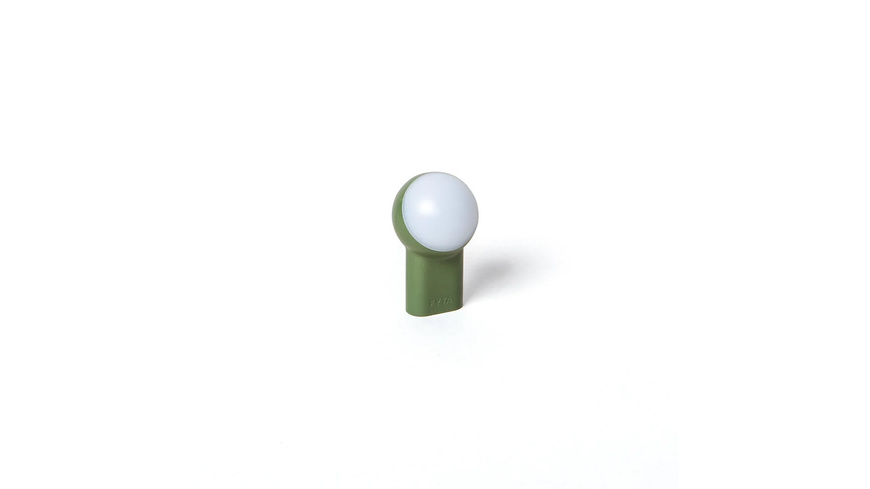
Of the three sensors, it measures the most. It records readings every 15 minutes, handles soil as well as expanded clay and semi-hydro according to the manufacturer, and also works on the balcony. The rods come in lengths from 3 to 35 cm. The app shows the first complete evaluation after around 24 hours. Without a hub, it remains a device for plants you walk past every day.
Ecowitt WH51
Simple and robust: one value, sent every 70 seconds, housing rated IP66. On its own it’s useless, because without a gateway or console it displays nothing. If you already run an Ecowitt weather station, it adds soil moisture very directly. In frost, Ecowitt recommends a lithium battery instead of alkaline.
Blumat Digital
A different approach. The deeply inserted clay cone measures the suction of the roots, and the display shows a number: the higher, the drier. The instructions give threshold values for different plants. No radio, no app, no account. The seller explicitly mentions overwintering valuable potted plants, where the right time to water is hard to hit.
Gardena vacation watering set 13366-20
Pump, transformer, three drip distributors with twelve outlets each, and a 10.5-liter reservoir that can be connected to additional reservoirs. Depending on the distributor, an outlet releases 15, 30 or 60 ml per minute. Ten pots at 30 ml each per day use 300 ml, so the reservoir lasts five weeks by calculation. According to Gardena, you don’t need to program anything, but you do need an outlet nearby.
Gardena vacation watering 1265-20
The same technology without a reservoir. The box contains a transformer with a built-in timer, a pump with a dirt filter, the three distributors and 30 m of drip tubing. Sensible if you already have a clean bucket or canister.
Blumat Classic
The clay cone sits in the soil, and an 80 cm tube leads into any water container. If the water level is at the height of the top edge of the cone, it releases about 75 ml per day according to the seller; if it’s lower, about 50 ml. Three cones on a five-liter bucket thus last around three weeks. The cone has to be filled without air, ideally under water, and the tube should be cleaned with hot water once a year. For thirsty plants, there’s the Classic XL with around 125 ml.
How we would decide
- You usually water too early or too late and want to know exactly: FYTA Beam G2, with a hub only if you also need alerts on the go.
- An Ecowitt station is already running: the WH51, which registers with the existing gateway.
- A single lemon tree or oleander in a cool stairwell: Blumat Digital, with no data traffic at all.
- Ten pots or more and away for longer than a week: the Gardena set with reservoir.
- Three or four pots and no outlet nearby: Blumat Classic.
Two limits come with it. If you want to grow herbs or lettuce without daylight, you need a lamp, not a sensor; the guide to the indoor garden (in German) is the better place for that. And beds or balcony boxes on the outdoor faucet are better controlled by a watering timer (in German) than by any houseplant set.
Frequently asked questions
Does a plant sensor water automatically?
No. It reports the dry plant but doesn't top up a single drop. That's what watering systems are for: the Gardena set pumps on a timer, one minute per day according to the manufacturer, while Blumat relies on clay cones that draw water from a container. So measuring and watering take two devices.
What does a plant sensor measure?
Soil moisture is central. The FYTA Beam G2 also records the salinity of the soil as an indication of the nutrient supply, the usable light energy and the temperature at the location. The Ecowitt WH51 only measures moisture but can be calibrated to the specific soil type.
How deep does the sensor need to go into the soil?
According to FYTA, the rods must be fully in the substrate, without an air gap, and must not touch the bottom of the pot or the drainage layer. For a substrate depth of 15 to 20 cm, FYTA recommends an 11 cm rod; for 30 to 40 cm, 20 cm. A rod that's too short only measures the top layer, which dries out first.
Do I need a hub for the FYTA sensor?
Only for alerts on the go. Via Bluetooth, the data only reaches the app when you open it near the pot. The FYTA Wi-Fi Hub is permanently plugged into a USB-C power adapter and connects the sensor to the FYTA cloud. Walls, metal shelves and low-E glazing shorten the range.
How long does the water last with vacation watering?
With the Gardena set, ten pots at 30 ml each per day use 300 ml, so the 10.5-liter reservoir lasts five weeks by calculation. With Blumat Classic, three cones on a five-liter bucket last around three weeks, since according to the seller each releases about 50 to 75 ml per day.
Where does a plant sensor's data end up?
With FYTA, only the hub connects the sensor permanently to the FYTA cloud; according to the manufacturer, the app is free. Ecowitt shows live data on the same Wi-Fi network, with history and alerts only after uploading to the Ecowitt server. Gardena and Blumat work entirely without an app.
Sources
- FYTA: Beam G2 operating manual
- FYTA: Beam G2 battery
- FYTA: Wi-Fi Hub operating manual
- FYTA: Range between sensor and hub
- FYTA: What does the app cost?
- Ecowitt: WH51 operating manual (PDF)
- Blumat Digital
- Blumat Classic
- Gardena: Vacation watering set 13366-20
- Gardena: Vacation watering 1265-20
- Verbraucherzentrale: Privacy with digital helpers (German)
- Parrot
Where to buy
- FYTA Beam G2View at ELVCheck price at Amazon.de
- Ecowitt WH51Check price at Amazon.de
- Blumat DigitalCheck price at Amazon.de
- Gardena Urlaubsbewässerung-Set 13366-20Check price at Amazon.de
- Gardena Urlaubsbewässerung 1265-20Check price at Amazon.de
- Blumat Classic (12er-Pack)Check price at Amazon.de