Contents12 sections
This guide was first published in German on handgetestet.de.
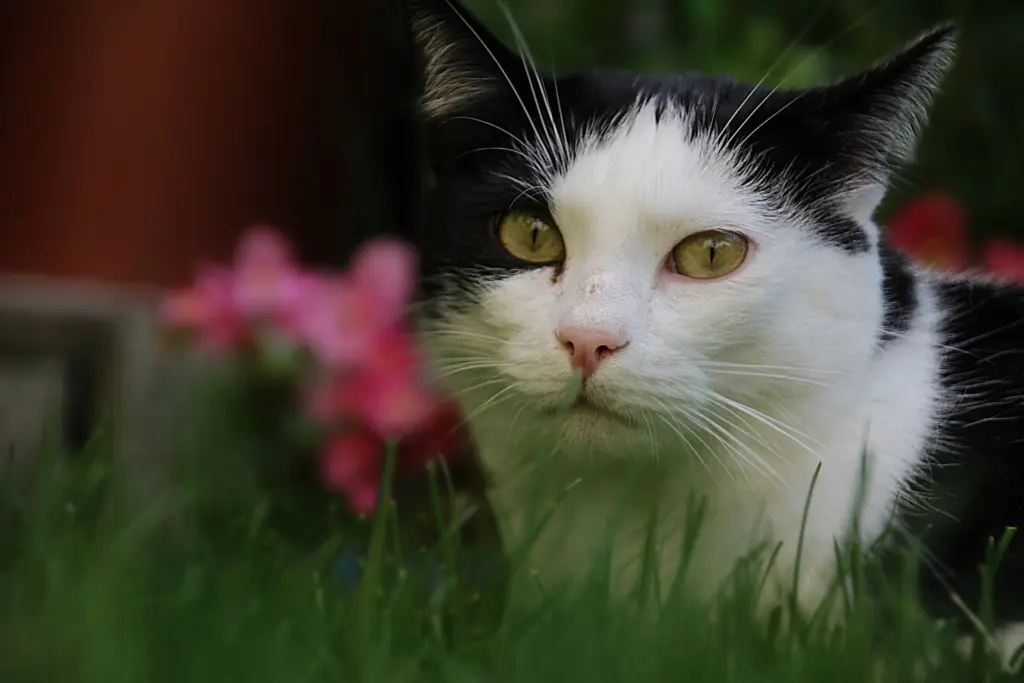
The neighbor’s cat has declared the freshly sown bed its toilet, and at the home improvement store an ultrasound device and a water sprinkler with a sensor hang side by side. We would go for the water. The Gardigo water jet animal repeller 60140 connects to the garden hose, runs on two AA batteries and, according to the manufacturer, sprays up to 10 meters. Ultrasound has a bad reputation, and rightly so: based on current knowledge, the German Environment Agency (Umweltbundesamt) considers sound and ultrasound devices ineffective against rodents.
Which animal is it, actually?
Both the device and the legal situation depend on that. Against cats, foxes and herons, water and ultrasound work above ground with a motion sensor. Against voles and moles, stakes are sold that hum or vibrate in the soil. Then there are martens, which cause trouble around the house or under the roof.
In the lawn, a look at the mounds helps. The German Environment Agency describes vole mounds as elongated and flat, often mixed with root and grass remnants. The Bavarian Garden Academy (Bayerische Gartenakademie) adds that vole tunnels are tall-oval and at least four fingers wide. Mole tunnels are rounder, narrower and sit right in the middle of the mound. The opening test shows whether a tunnel is occupied: open the tunnel over about 30 centimeters and wait to see whether it gets closed again.
What German law allows
Under Section 1 of the German Animal Welfare Act (Tierschutzgesetz), no animal may be caused pain, suffering or harm without a reasonable cause. For wild animals, nature conservation law also applies. The German Federal Species Protection Ordinance (Bundesartenschutzverordnung) places all native mammals under special protection, with a few exceptions such as the water vole, common vole, house mouse and brown rat. Moles and hedgehogs are therefore specially protected. Section 44 of the German Federal Nature Conservation Act (Bundesnaturschutzgesetz) prohibits pursuing, catching, injuring or killing them.
For martens, a different law applies. Under Section 2 of the German Federal Hunting Act (Bundesjagdgesetz), stone martens and pine martens count as furred game. Hunting seasons and closed seasons apply to them, and parent animals are protected while raising their young (Section 22). For garden owners, that leaves driving them away. Voles, on the other hand, you are allowed to control; only the mole must not come to harm in the process, as the German Environment Agency explicitly emphasizes.
Six devices and their key data
| Model | Principle and range | Power | Best for |
|---|---|---|---|
| Gardigo water jet animal repeller 60140 | Water, PIR sensor 100° × 60°, jet up to 10 m | 2 × AA, included | Cats in flower beds, herons at the pond |
| Gardigo solar water animal repeller 60085 | Water, PIR sensor 100° × 60°, jet up to 10 m | Solar with 2 NiMH rechargeable batteries, included | sunny beds without battery changes |
| Gardigo cat and dog repeller 60011 | Ultrasound 20 to 60 kHz, PIR up to 12 m, 120° | 3 × AA, included | corners without a water connection |
| Swissinno Ultrasonic Animal Repeller PRO | Ultrasound 20 to 30 kHz, flash, up to 12 m, 120° | Solar, 4 NiMH rechargeable batteries required | open areas, with reservations |
| Swissinno Ultrasonic Animal Repeller | Sound 13 to 60 kHz, about 100 m², 120° | Solar, 4 NiMH rechargeable batteries required | we tend to advise against it |
| Gardigo solar mole and vole repeller 70046 | Vibration and tone 400 to 500 Hz, up to 1,250 m² | Solar with 3 NiMH rechargeable batteries, included | only as an experiment |
All specifications come from the manufacturers. No independent proof of effectiveness exists for any of the devices.
Gardigo water jet animal repeller 60140
For flower beds and ponds, we consider it the right device. The sensor reacts to movement combined with body heat; according to the manual, the spray spread can be set up to 170 degrees and the sensitivity in nine levels. According to the manufacturer, the device uses two to three cups of water per activation. Gardigo recommends water pressure below 4 bar, using a pressure reducer if necessary, and operation only from 5 °C. So in winter, it comes down.
The manual itself is remarkably honest. The device does not prevent animals from being there, it says; it merely makes other places seem more pleasant to them. And the sensor also detects people. Put the sprinkler next to the garden path and you will be showering the delivery driver.
Gardigo solar water animal repeller 60085
Technically its twin, but with a solar module that charges two included 1,200 mAh NiMH rechargeable batteries. According to the manufacturer, regular disposable batteries are not allowed. This only makes sense if the spot gets sun during the day. Under a hedge in the shade, the battery stays empty.
Gardigo cat and dog repeller 60011
Where no hose can reach, for example at the carport or raised bed, ultrasound is what remains. Gardigo constantly varies the frequency between 20 and 60 kHz so that the animals do not get used to it as quickly. The PIR sensor covers up to 12 meters in a 120-degree fan, and the housing is splash-proof to IPX4. For the summer, the manufacturer itself points to its solar models.
Swissinno Ultrasonic Animal Repeller PRO
The PRO model combines ultrasound between 20,000 and 30,000 Hz with a flash or an audible warning tone and, according to the manual, covers up to 150 square meters. You have to buy the four rechargeable batteries yourself. What gives us pause is the target list on the manufacturer’s website. Alongside cats and martens, it also includes hedgehogs and bats. Hedgehogs are specially protected, and if you want them in your garden, you are better off not placing a device like this by the hedge or a pile of leaves.
Swissinno states openly in the manual that animals can get used to acoustic devices over time and advises moving the device every few days. The warranty, it says, explicitly does not cover effectiveness.
Swissinno Ultrasonic Animal Repeller
The basic model emits tones between 13,000 and 60,000 Hz for five seconds each time it is triggered. Its own manual gives 20,000 Hz as the upper limit of human hearing. The lower part of the range is therefore below that and can be audible to people. In a row house garden, we think that is a bad idea.
Gardigo solar mole and vole repeller 70046
Every 50 seconds, the stake hums for about two seconds at 400 to 500 Hz and vibrates at the same time. According to Gardigo, the stated 1,250 square meters only apply depending on the soil conditions. We include it only so you know how to rate it. The Bavarian Garden Academy writes that ultrasound and vibration devices have proven ineffective in many cases and recommends none of them.
So what helps against voles and martens?
Against voles, the Garden Academy names traps as the safest and most environmentally friendly method, ideally in late fall or early spring. A wire basket with a mesh size of 13 to 16 millimeters around the roots protects new trees and shrubs. More work than a solar stake, but proven.
From our hands-on test: a simple plastic mousetrap caught several mice in the garden, but the catch mechanism wore out quickly, and when set out in the open, songbirds got caught in it as well.
Martens are probably not very impressed by ultrasound. Stiftung Warentest, the German consumer testing organization, wrote back in 2012 about martens that damage cars that ultrasound also seemed ineffective. If it is about the car in the driveway, you will find high-voltage devices and their installation rules in our guide to marten protection for cars.
How we would decide
- Cat in the flower bed, heron at the pond, water connection available: Gardigo 60140. For a sunny spot without battery changes, the solar version 60085.
- No hose within reach: Gardigo 60011 as an experiment, with a clear line of sight and no fence in between, because according to Swissinno ultrasound penetrates neither walls nor hedges.
- Hedgehogs or rabbits in the garden: no ultrasound. Swissinno itself warns against use near rabbits, guinea pigs and other rodents kept as pets.
- Voles in the vegetable bed: opening test, trap, wire basket. Vibration stakes only if you can live with a failure.
One last note on setup. Gardigo recommends placing the water device’s sensor no higher than one meter above the monitored area. A normal hose with a quick-connect coupling is all you need for the connection; our garden hose guide (in German) explains suitable lengths and couplings.
Separate rules apply to the protected mole; what is allowed is explained in the guide Getting rid of moles (in German).
Frequently asked questions
Does ultrasound help against cats and martens?
There is no evidence that it does. The German Environment Agency (Umweltbundesamt) considers sound and ultrasound devices ineffective against rodents, and the German consumer testing organization Stiftung Warentest wrote back in 2012 that ultrasound also seemed ineffective against car-damaging martens. Swissinno itself states that animals can get used to it and that the warranty does not cover effectiveness.
How does a water jet animal repeller work?
A PIR sensor reacts to movement combined with body heat and triggers a jet of water; according to Gardigo, each activation uses two to three cups of water. The manufacturer recommends water pressure below 4 bar and operation only from 5 °C. The sensor also detects people, so next to the garden path it is in the wrong place.
What am I allowed to do against animals in the garden?
Under Section 1 of the German Animal Welfare Act, no animal may be harmed without a reasonable cause. Moles and hedgehogs are specially protected, and martens fall under hunting law with closed seasons. For garden owners, that leaves driving animals away; the only one you are allowed to control is the vole.
How can I tell whether a vole or a mole is in the lawn?
According to the German Environment Agency, vole mounds are elongated and flat, often with root and grass remnants, and the tunnels are tall-oval and at least four fingers wide. Mole tunnels are rounder, narrower and sit in the center of the mound. The opening test shows whether an opened tunnel gets closed again.
What helps against voles?
The Bavarian Garden Academy names traps as the safest and most environmentally friendly method, ideally in late fall or early spring. A wire basket with a mesh size of 13 to 16 millimeters around the roots protects new trees and shrubs. According to the Garden Academy, vibration devices have proven ineffective in many cases.
Is ultrasound suitable if there are hedgehogs or rabbits in the garden?
Not really. The target list for one Swissinno device also includes hedgehogs, which are specially protected. Swissinno itself warns against use near rabbits, guinea pigs and other rodents kept as pets. With hedgehogs or rabbits in the garden, ultrasound is therefore not a solution.
Sources
- Gardigo: water jet animal repeller 60140
- Gardigo: operating instructions, water animal repeller 60140 (PDF)
- Gardigo: solar water animal repeller 60085
- Gardigo: cat and dog repeller 60011
- Gardigo: solar mole, ant and vole repeller 70046
- Swissinno: Ultrasonic Animal Repeller PRO
- Swissinno: manual, Ultrasonic Animal Repeller PRO (PDF)
- Swissinno: Ultrasonic Animal Repeller
- Swissinno: manual, Ultrasonic Animal Repeller (PDF)
- German Environment Agency: Brown rat (sound and ultrasound devices)
- German Environment Agency: Voles
- Bavarian Garden Academy (LWG): fact sheet on successful vole control (PDF)
- Stiftung Warentest: Marten bites on cars (2012)
- German Animal Welfare Act, Section 1
- German Federal Nature Conservation Act, Section 44
- German Federal Species Protection Ordinance, Annex 1
- German Federal Hunting Act, Section 2 and Section 22
Where to buy
- Gardigo Wasserstrahl-Tiervertreiber 60140 (60140INT)Check price at Amazon.deAvailable in Germany: Amazon.de
- Gardigo Solar-Wasser-Tierabwehr 60085Check price at Amazon.deAvailable in Germany: Amazon.de
- Gardigo Katzen- und Hunde-Abwehr 60011Check price at Amazon.deAvailable in Germany: Amazon.de
- Swissinno Ultraschall Tiervertreiber PROCheck price at Amazon.deAvailable in Germany: Amazon.de
- Swissinno Ultraschall TiervertreiberCheck price at Amazon.deAvailable in Germany: Amazon.de
- Gardigo Solar Maulwurf- und Wühlmausschreck 70046Check price at Amazon.deAvailable in Germany: Amazon.de