Contents15 sections
This guide was first published in German on handgetestet.de.
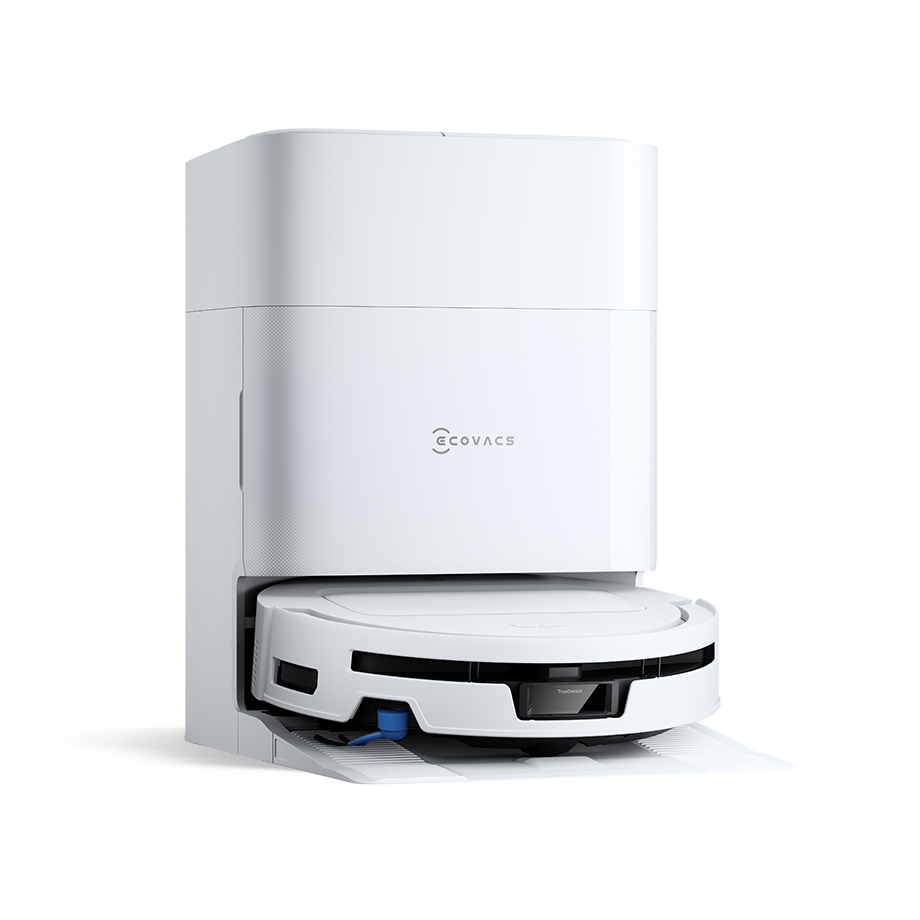
Whether a mopping robot damages your floor depends on the surface, not the brand. Lacquered parquet, laminate and tile can handle barely damp mopping, and for that, the DEEBOT T90 MAX OMNI with a roller mop and adjustable water flow is our first choice. On oiled or waxed wood, mopping is off the table; there, a vacuum-only robot such as the Kärcher RVC 3 Comfort Extra without its mopping unit is enough.
This article answers a single question: how much water can go on which floor? If you first want to work out whether a mopping robot belongs in your home at all, start with our guide to robot vacuums with a mopping function (in German).
How much water is allowed on parquet and laminate?
No flooring manufacturer gives a figure in milliliters. They all describe a condition instead. Bembé calls for sealed parquet to be cleaned „barely damp (not wet),“ Meister for laminate to be wiped with a well wrung-out, lint-free cloth. Haro writes that standing water should always be avoided on laminate and considers dry cleaning sufficient as a rule. Quick-Step recommends dry cleaning weekly and lightly damp cleaning only once or twice a month, because too much water can damage the floor.
A robot that mops every day does far more than Quick-Step, for example, intends. Even Ecovacs generally considers once or twice a week sufficient for wood floors. Set the schedule accordingly; daily vacuuming is not affected by this.
There is some leeway with water-resistant floors. For laminate with a wet-area warranty, Quick-Step specifies periods of 12 or 24 hours within which water must be removed. Which designs react in which way is covered in our comparison of vinyl flooring and laminate (in German).
The German Cosmetic, Toiletry, Perfumery and Detergent Association (IKW) lists plastic, stone, ceramic and lacquered wood as suitable for mopping robots. Oiled and waxed wood are missing from that list. As long as the flooring manufacturer does not approve robot mopping in writing, we would only vacuum there.
What the tank figures reveal about the amount of water
Ecovacs publishes how much area one tank fill covers. For the T90 MAX OMNI, that is 4 liters for 356 m², which works out to roughly 11 ml per square meter; for the T30e OMNI, 4 liters for 300 m², about 13 ml. This figure is an upper limit, because the station also uses some of it to wash the mop. How much of it ends up staying on the floor, the manufacturer does not say. The figure is still useful for comparing two devices.
One claim should be read with caution: according to Ecovacs, the microfiber material of the new roller leaves about 67 percent less water behind than „conventional rollers.“ Which rollers are meant by that is left open.
Microfiber, care products, streaks: three conflicts with the floor
When it comes to material, the experts disagree. The care instructions of the Stuttgart housing company GWF describe microfiber cloths as unsuitable for sealed parquet, as well as steam cleaners. Bembé, on the other hand, lists a set with a microfiber mopping cloth in its own care sheet, and Quick-Step explicitly recommends a microfiber mop. According to Ecovacs, the roller of the T90 MAX is made of microfiber. So check the documentation for your floor, not a general list.
The care product is the trickier issue. Haro recommends its own cleaner in the mopping water, Bembé its own products. In the T90 MAX manual, Ecovacs prohibits third-party solutions because they could damage the device, and eufy only allows its own solution at a ratio of 1:200 for the Omni C20. The two do not go together. If you take floor care seriously, keep mopping by hand every few weeks and let the robot run with clean water or the approved solution in between. You will find a suitable mop in our mop guide.
Streaks often have a mundane cause. The IKW names dosing to match the tank size and cold water as prerequisites for a streak-free result. With Ecovacs, that is around 20 ml per 4 liters, so not much.
Tile, grout and natural stone
Ceramic tile is the easiest case. Do not expect much when it comes to the grout lines, because none of the manufacturers mentioned here give reliable information on cleaning recessed joints. Care product suppliers such as HG carry dedicated grout cleaners for that; it remains a job done by hand.
Natural stone is more demanding. Marble is limestone and correspondingly sensitive to acid, Vorwerk writes, and recommends barely damp cleaning. HG warns against limescale removers, vinegar and lemon juice, and also against hot water, which could impair the protective layer. The heating in the stations in the table, however, is meant for washing the mop. For the T90 MAX, Ecovacs states that it neither mops with hot water nor washes the roller with warm water. With every cleaning additive, check whether it is acid-free, and if in doubt, ask the manufacturer.
One more thing concerns polished surfaces: according to the Ecovacs manual, the wheels have less grip on freshly waxed, polished floors and smooth tiles. The robot can then slip and miss spots.
Sand under the mop acts like sandpaper
HG describes this for natural stone, and on wood it would hardly be any better. Only mop when the floor is clean. On the robot, that means choosing the „vacuum first, then mop“ setting instead of doing both in one pass. On parquet, chairs should have felt pads anyway, and for occasional extra vacuuming, a canister vacuum (in German) with a soft parquet nozzle remains a sensible addition.
Six devices for hard floors
| Model | Mopping system | Water and heat according to the manufacturer | Suits |
|---|---|---|---|
| DEEBOT T90 MAX OMNI | Roller, 27 cm | Adjustable water flow, no warm-water washing, 45 °C drying air | Lacquered parquet, laminate, tile |
| DEEBOT X12 OmniCyclone | Roller, 27 cm | Washing with heated water, 63 °C drying air, spray jet for stains | Tile and kitchens with stains |
| DEEBOT T30e OMNI | Two rotating pads | No hot-water washing, 45 °C drying air | Tile and laminate on a small budget |
| eufy HydroJet S2 | Roller, 29 cm | 60 °C washing, electrolyzed water, station doses the solution | Anyone who wants lots of features |
| eufy Omni C20 | Two rotating pads | Two water levels, drying with room air | Simple cases, low furniture |
| Kärcher RVC 3 Comfort Extra | Removable mopping unit | No water without the unit | Oiled and waxed wood |
DEEBOT T90 MAX OMNI
According to the manufacturer, the roller is rinsed by 32 nozzles while the robot is driving. The water flow is adjustable, warm water is not used, and at 95 mm the device fits under a lot of furniture. Ecovacs also publishes figures for tank and area, which makes the case for this model on mixed floors. The weaknesses: the manual contains no note on parquet, the amount of water on the floor remains unknown, and third-party care products are ruled out.
DEEBOT X12 OmniCyclone
Here, according to Ecovacs, the robot sprays diluted solution directly onto dried-on stains. In a tiled kitchen, that sounds useful; on parquet, it would be too much liquid in one spot for our taste. For pure wood floors, you are paying for something you are better off not using.
DEEBOT T30e OMNI
The entry-level model works with two pads instead of a roller and, by the numbers, uses a little more water per area. On tile, that is not a problem.
eufy HydroJet S2
According to eufy, the roller works with electrolyzed water, and the station washes it at 60 °C and doses the solution itself. eufy does not state an amount of water online, nor how the treated water affects oil finishes or stone. The S2 is priced well above the T90 MAX. For hard floors alone, that gap is hard to justify.
eufy Omni C20
Two water levels, nothing more. That is tight for delicate dosing on wood, but sufficient on tile. The station dries the pads with room air, four hours by default; in humid rooms, eufy recommends five to six.
Kärcher RVC 3 Comfort Extra
According to Kärcher, without the mopping unit it runs as a pure vacuum, and that settles the water question for sensitive wood. The microfiber cloth only mops barely damp anyway, but we would still leave it off on an oiled floor. At 15,000 Pa, it ranks below the other devices on paper, and an auto-empty station is included. The Kobold VR7, which Vorwerk sells through its own direct sales channel, would be the alternative with no mopping part at all.
Outside the table: Narwal Flow 2
The Flow 2 belongs in this article because it handles water differently from the devices above. Its cloth, stretched all the way around, is rinsed by 16 nozzles while driving, a scraper pushes the dirty water into a separate tank, and according to the manufacturer, it mops with water at up to 60 degrees. GameStar reports that grease stains and sticky spots disappear somewhat more reliably than with its predecessor, and heise praises the even mopping pattern. That makes a case for it on kitchen tile. For marble, on the other hand, HG’s warning against hot water applies, and for parquet, heise urges caution with rollers, because too much water can make the wood swell over time. It remains weak in the corners, as its single side brush does not extend. How it compares with the brand’s other models is shown in our guide to Narwal robot vacuums.
How we would decide
- A mix of lacquered parquet, laminate and tile: DEEBOT T90 MAX OMNI, with little water and no more than two mopping runs a week.
- Tile only, small budget: DEEBOT T30e OMNI.
- Oiled or waxed wood: no robot mopping, so the Kärcher RVC 3 Comfort Extra without its mopping unit.
- Marble and limestone: lowest level, clean water, and test it on an inconspicuous spot first.
- Heavily soiled floors: a wet-dry floor cleaner picks up more when you guide it by hand.
- Kitchen tile, warm mopping water wanted: Narwal Flow 2, not on marble.
For washing in the station, read our guide Robot vacuums with hot water (in German).
If thresholds are in the way, the guide Robot vacuums and door thresholds will help.
Frequently asked questions
Can a mopping robot be used on parquet and laminate?
On sealed parquet and laminate, yes, but only barely damp, not wet. No flooring manufacturer gives a figure in milliliters. Quick-Step recommends dry cleaning weekly and lightly damp cleaning only once or twice a month; even Ecovacs considers once or twice a week sufficient for wood floors. Daily vacuuming is not affected by this.
Can I mop oiled parquet with a robot vacuum?
We would only vacuum there. The German Cosmetic, Toiletry, Perfumery and Detergent Association (IKW) lists plastic, stone, ceramic and lacquered wood as suitable for mopping robots; oiled and waxed wood are missing from that list. As long as the flooring manufacturer does not approve robot mopping in writing, leave the mopping unit off.
How much water does a mopping robot put on the floor?
Ecovacs states how much area one tank fill covers. For the T90 MAX OMNI, that is 4 liters for 356 m², which works out to roughly 11 ml per square meter, and for the T30e OMNI about 13 ml. That is an upper limit, because the station also uses water to wash the mop. The figure is still useful for comparing two devices.
Which cleaning solution can go into a mopping robot?
This is where the instructions collide. Ecovacs prohibits third-party solutions for the T90 MAX, eufy only allows its own for the Omni C20, and flooring manufacturers such as Haro recommend their own cleaner. If you take floor care seriously, mop by hand every few weeks and let the robot run with clean water or the approved solution in between.
What should I watch for with marble and natural stone?
Marble is limestone and sensitive to acid; Vorwerk recommends barely damp cleaning. HG warns against limescale removers, vinegar, lemon juice and hot water. Set the lowest level, mop with clean water and try it out on an inconspicuous spot first. Any additive should be acid-free.
Why vacuum first and then mop?
Sand under the mop acts like sandpaper; HG describes this for natural stone, and on wood it would hardly be any better. So choose the vacuum first, then mop setting on the robot instead of doing both in one pass. On parquet, chairs should have felt pads anyway.
Sources
- IKW: vacuum and mopping robots, press release 2024
- Bembé Parkett: care instructions
- GWF Stuttgart: care instructions for sealed parquet
- Haro: installing and caring for laminate
- Meister: laminate care
- Quick-Step: care instructions
- HG: caring for natural stone floors
- HG: cleaning floor tiles
- Vorwerk: cleaning marble
- Vorwerk: Kobold VR7
- Ecovacs: cleaning hardwood floors with vacuum and mopping robots
- Ecovacs: DEEBOT T90 MAX OMNI
- Ecovacs: DEEBOT T90 MAX manual
- Ecovacs: DEEBOT X12 OmniCyclone
- Ecovacs: DEEBOT T30e OMNI
- eufy: HydroJet S2
- Kärcher: RVC 3 Comfort Extra
- eufy: Omni C20
- eufy: Omni C20 manual
- heise bestenlisten: Narwal Flow 2
- GameStar: Narwal Flow 2
Where to buy
- DEEBOT T90 MAX OMNIView at EcovacsAvailable in Germany: EcovacsCheck price at Amazon.deAvailable in Germany: Amazon.de
- DEEBOT X12 OmniCycloneView at EcovacsAvailable in Germany: EcovacsCheck price at Amazon.deAvailable in Germany: Amazon.de
- DEEBOT T30e OMNIView at CoolblueAvailable in Germany: CoolblueView at EcovacsAvailable in Germany: EcovacsCheck price at Amazon.deAvailable in Germany: Amazon.de
- eufy HydroJet S2Check price at Amazon.deAvailable in Germany: Amazon.de
- eufy Omni C20View at CoolblueAvailable in Germany: CoolblueCheck price at Amazon.deAvailable in Germany: Amazon.de
- Kärcher RVC 3 Comfort ExtraCheck price at Amazon.deAvailable in Germany: Amazon.de
- Narwal Flow 2 (Basisstation, Schwarz)View at NarwalAvailable in Germany: Narwal