Contents13 sections
This guide was first published in German on handgetestet.de.
A heavily foaming, strongly perfumed bath for skin that already feels tight in winter: that is the pick from the shelf where many people go wrong. If you are prone to dry skin, you are better off reaching for an oil bath. And the water should not be too hot either. As a sensible starting point, we see the Kneipp Pflegeölbad Mandelblüten Hautzart, an almond blossom bath oil. Plenty of oil, a low price bracket, clear directions for use.
Bubbles, salts and bath bombs have their place. More for enjoyment than for the skin.
What happens to your skin in the water
Four groups line the shelf, and they differ more than the colorful bottles suggest. A bath oil leaves a thin film of oil on the skin. According to Stiftung Warentest, the German consumer testing organization, oil baths are suitable for dry skin; the tub just becomes slippery.
Bubble bath is a different story. It contains surfactants, that is, cleansing agents. According to Stiftung Warentest, hot water dissolves skin lipids in any case, and surfactants dry the skin out further.
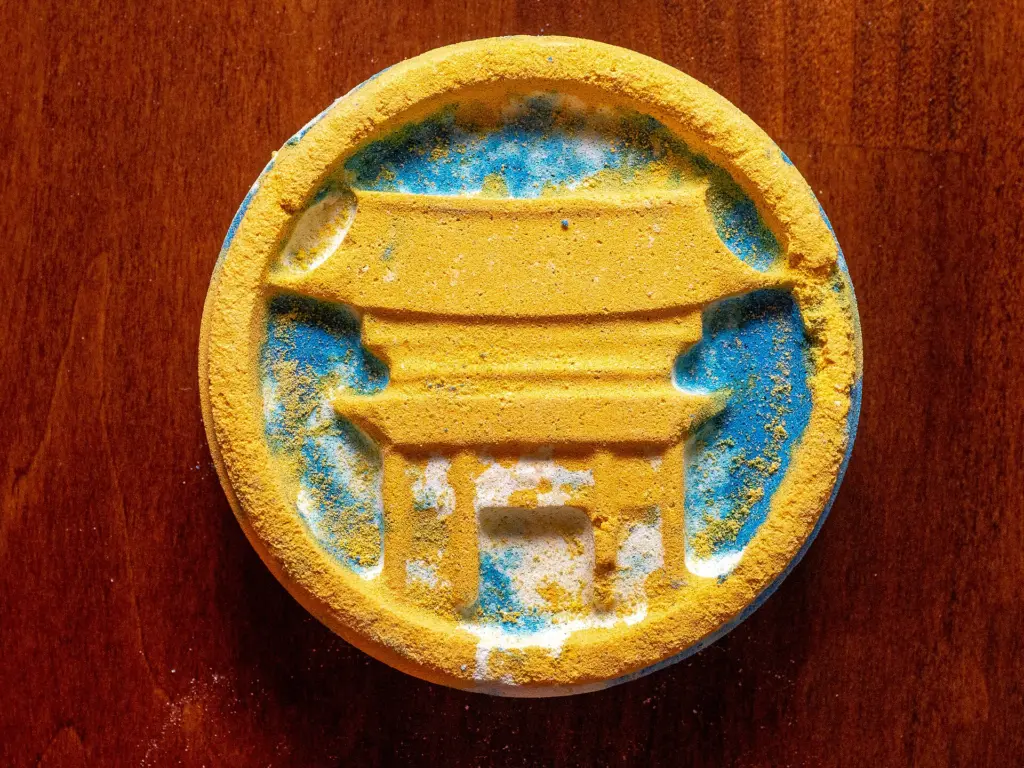
Bath salts dissolve clear, do not foam and are usually inexpensive per bath, but many salts are heavily perfumed and colored. And finally the bath bomb: it fizzes, colors the water and releases fragrance. A gift, not a skin care product. Öko-Test, a German consumer magazine, criticized such products for, among other things, mica of unclear origin and food-like shapes.
What Öko-Test found in the formulas
In December 2023, the magazine examined a total of 51 solid and liquid bath products, 14 of them certified natural cosmetics. Criticism was leveled at, for example, the synthetic musk fragrance galaxolide, the plasticizer diethyl phthalate, PEG compounds, organohalogen compounds and poorly degradable synthetic polymers. The testers also found recommendable products in the low price bracket. So a high price says little about the formula.
Fragrances: what the packaging reveals and what it does not
„Parfum“ in the ingredient list is a collective term. Only certain allergenic fragrances have to be listed individually, such as linalool, limonene, geraniol or coumarin. According to the Verbraucherzentrale, the German consumer advice center, this list is being significantly expanded, from just over two dozen to more than 80 substances. Newly launched products have had to comply since August 2026, all cosmetics on sale from August 2028. Older packaging on the shelf may therefore reveal even less.
Natural cosmetics are no all-clear here. The Verbraucherzentrale points out that essential oils and plant extracts can also trigger allergies. Stiftung Warentest names coumarin and citronellol, essential oils such as lemon or peppermint, and peanut oil (Arachis Hypogaea) as possible triggers. If you notice itching or redness after a bath, the dermatologist quoted there advises taking the bath product along to an allergist. One point of reference for people with allergies is the seal of the Deutscher Allergie- und Asthmabund (German Allergy and Asthma Association), which products without strongly allergenic ingredients may carry.
Temperature, duration, frequency
Stiftung Warentest asked experts about this. A cardiologist considers 36 to 38 degrees Celsius well tolerated and advises no more than 20 minutes. According to a dermatologist at Frankfurt University Hospital, things become critical from about 45 degrees, when mild scalding is possible. For skin health, dermatologists quoted there recommend no more than two full baths per week. If you have cardiovascular problems or varicose veins, check with a doctor before bathing. For babies, the article advises against bubble baths and additives altogether, and camphor and essential oils are described there as dangerous for small children.
Almost all of the manufacturers‘ directions for the products below fall within 35 to 38 degrees and 10 to 20 minutes. That fits together.
Five bath products currently available
| Product | Type and contents | Declared fragrances (selection) | Best for |
|---|---|---|---|
| Kneipp Pflegeölbad Mandelblüten Hautzart | Bath oil, 100 ml, according to the manufacturer 94% oil, almond oil listed first | Parfum, limonene, linalool, coumarin | dry skin, small budget |
| Weleda Lavendel-Entspannungsbad | Bath essence, 200 ml, NATRUE-certified, lavender oil and olive oil soap | Linalool, limonene, geraniol | natural cosmetics without a mountain of foam |
| Kneipp Badekristalle Tiefenentspannung | Bath salts, 600 g, according to the manufacturer for 9 to 11 full baths | Parfum, geraniol, citronellol; contains colorants | frequent bathers who watch the price per bath |
| tetesept Meersalz Erkältungszeit | Sea salt, 600 g, with eucalyptus, thyme, rosemary, camphor | Parfum, limonene, linalool; contains colorants | adults who like strong herbal scents |
| Satin Naturel organic bath bombs | Gift set, handmade with shea and cocoa butter according to the seller | varies by variety, check the list before buying | gift, occasional bath |
Kneipp Pflegeölbad Mandelblüten Hautzart
According to Kneipp, this oil bath has been around since 1992. It is intended for dry and sensitive skin. One capful goes into water at 36 to 38 degrees, and 15 to 20 minutes are recommended. The manufacturer itself warns of the risk of slipping and advises cleaning the tub afterward with a grease-dissolving cleaner. A drawback for very sensitive skin: the oil is perfumed and contains coumarin, among other things.
Weleda Lavendel-Entspannungsbad
A bath essence based on lavender oil and olive oil soap, NATRUE-certified. Weleda recommends three to four capfuls at 37 degrees for 10 to 20 minutes and states that its skin compatibility has been dermatologically confirmed. The ingredient list is short and clear. Lavender oil does, however, bring linalool, limonene and geraniol with it, so it is no free pass for people with fragrance allergies. Per bath, the essence sits in a higher price bracket than the Kneipp oil.
Kneipp Badekristalle Tiefenentspannung
Salt from the Luisenhall saltworks with patchouli oil and sandalwood extract. According to Kneipp, a 600-gram tub is enough for 9 to 11 full baths, which puts these bath crystals among the cheaper options per bath. Kneipp speaks of „proven deep relaxation“ and cites its own study. A manufacturer’s claim, nothing more. If you react sensitively to colorants or perfume, you will find both here.
tetesept Meersalz Erkältungszeit
A cosmetic bath additive, not a medicine. This sea salt contains essential oils from eucalyptus, thyme, rosemary and the camphor tree, plus lemon and lavandin oil. For the 600-gram tub, the packaging states 36 to 38 degrees and 10 to 20 minutes, after which the tub should be rinsed out with hot water. tetesept currently does not list the small 80-gram bag as available in its own shop; the tub is available in stores. This is not suitable for children: Stiftung Warentest classifies camphor and essential oils as dangerous for small children. The organization also writes that cold-relief baths do not shorten a cold.
Satin Naturel organic bath bombs
The set is offered as handmade, vegan bath bombs with shea and cocoa butter and flower petals, in packs of four to seven. Understandable as a small gift. According to the sources above, a bath bomb offers no advantage for the skin over an oil bath. And the petals have to be fished out of the drain afterward. The fragrances differ by variety.
What about Rituals, L’Occitane, Lush?
In early November 2026, the manufacturer listed Rituals‘ bath foams, such as The Ritual of Sakura, Hammam or Ayurveda, as temporarily sold out online. From L’Occitane, we only found the almond shower oil on Amazon, not a bath product. Lush sells its bath bombs through its own stores and its own online shop, not through Amazon. With all three, it is more about fragrance and gift packaging than about skin care.
Which bath for which skin
For dry skin in winter, go for the Kneipp Pflegeölbad, lukewarm and for no longer than 20 minutes. If it has to be natural cosmetics, the Weleda Lavendel-Entspannungsbad is the option, even though it also contains fragrance allergens. If you bathe often and want to spend little, reach for the Kneipp Badekristalle, provided perfume and colorants are not a problem. Bath bombs make a nice gift, but only for adults and not for people with allergies.
With a known fragrance allergy or atopic dermatitis, a different order applies. First check with a dermatologist or allergist, then look for a seal and check the ingredient list.
We have more guides around the bath: on bathrobes for afterward, on scented candles (in German) (the same questions about fragrances apply there) and on the towel radiator.
After the bath, the towel is what counts: our long-term test of towels from Vossen and Ross shows which colors last even after many washes.
Frequently asked questions
Bath oil or bubble bath for dry skin?
According to Stiftung Warentest (the German consumer testing organization), oil baths are suitable for dry skin because they leave a thin film of oil behind, although the tub becomes slippery. Bubble baths contain surfactants that dry the skin out further, while hot water dissolves skin lipids in any case.
How warm and how long should a full bath be?
A cardiologist interviewed by Stiftung Warentest considers 36 to 38 degrees Celsius well tolerated and advises no more than 20 minutes. From about 45 degrees, mild scalding is possible. Dermatologists quoted there recommend no more than two full baths per week. If you have cardiovascular problems or varicose veins, check with a doctor first.
Are natural cosmetics bath products better for people with allergies?
Not automatically. According to the Verbraucherzentrale (German consumer advice center), essential oils and plant extracts can also trigger allergies. The Weleda Lavendel-Entspannungsbad, for example, contains linalool, limonene and geraniol. The seal of the Deutscher Allergie- und Asthmabund (German Allergy and Asthma Association) offers some guidance.
What does "parfum" on the ingredient list tell you?
"Parfum" is a collective term; only certain allergenic fragrances are listed individually. According to the Verbraucherzentrale, this list is being expanded to more than 80 substances, for new products since August 2026 and for all cosmetics on sale from August 2028. Older packaging may therefore reveal less.
Are bath products suitable for children?
For babies, the Stiftung Warentest article advises against bubble baths and additives altogether. Camphor and essential oils are described there as dangerous for small children. Cold-relief baths such as the tetesept Meersalz Erkältungszeit are therefore for adults only.
What do bath bombs actually do?
Bath bombs fizz, color the water and release fragrance; according to the sources cited, they offer no advantage for the skin over an oil bath. They make a nice gift, but only for adults and not for people with allergies. Öko-Test criticized such products for, among other things, mica of unclear origin.
Sources
- Stiftung Warentest: Bathing – how often, how long, how healthy? (12/15/2021)
- Öko-Test: Bubble bath, bath oil and more tested (December 2023)
- Verbraucherzentrale: Cosmetics, ingredients and labeling
- Verbraucherzentrale: What changes in 2026 (fragrance labeling)
- Verbraucherzentrale: What are natural cosmetics?
- Kneipp: Pflegeölbad Mandelblüten Hautzart
- Kneipp: Badekristalle Tiefenentspannung
- Weleda: Lavendel Entspannungsbad
- Aponeo (German online pharmacy): tetesept Meeressalz Erkältungszeit 600 g (retailer information on ingredients and use)
- Rituals: The Ritual of Sakura Bath Foam
Where to buy
- Kneipp Pflegeölbad Mandelblüten HautzartCheck price at Amazon.deCheck price at Amazon.co.ukCheck price at Amazon.nlCheck price at Amazon.com.beCheck price at Amazon.frCheck price at Amazon.itCheck price at Amazon.esCheck price at Amazon.plCheck price at Amazon.seAvailable in Germany: Amazon.de
- Weleda Lavendel-EntspannungsbadCheck price at Amazon.deCheck price at Amazon.co.ukCheck price at Amazon.nlCheck price at Amazon.com.beCheck price at Amazon.frCheck price at Amazon.itCheck price at Amazon.esCheck price at Amazon.plCheck price at Amazon.seAvailable in Germany: Amazon.de
- Kneipp Badekristalle TiefenentspannungCheck price at Amazon.deCheck price at Amazon.co.ukCheck price at Amazon.nlCheck price at Amazon.com.beCheck price at Amazon.frCheck price at Amazon.itCheck price at Amazon.esCheck price at Amazon.plCheck price at Amazon.seAvailable in Germany: Amazon.de
- tetesept Meersalz ErkältungszeitCheck price at Amazon.deCheck price at Amazon.co.ukCheck price at Amazon.nlCheck price at Amazon.com.beCheck price at Amazon.frCheck price at Amazon.itCheck price at Amazon.esCheck price at Amazon.plCheck price at Amazon.seAvailable in Germany: Amazon.de
- Satin Naturel Bio-BadebombenCheck price at Amazon.deCheck price at Amazon.co.ukCheck price at Amazon.nlCheck price at Amazon.com.beCheck price at Amazon.frCheck price at Amazon.itCheck price at Amazon.esCheck price at Amazon.plCheck price at Amazon.seAvailable in Germany: Amazon.de