Contents13 sections
This guide was first published in German on handgetestet.de.
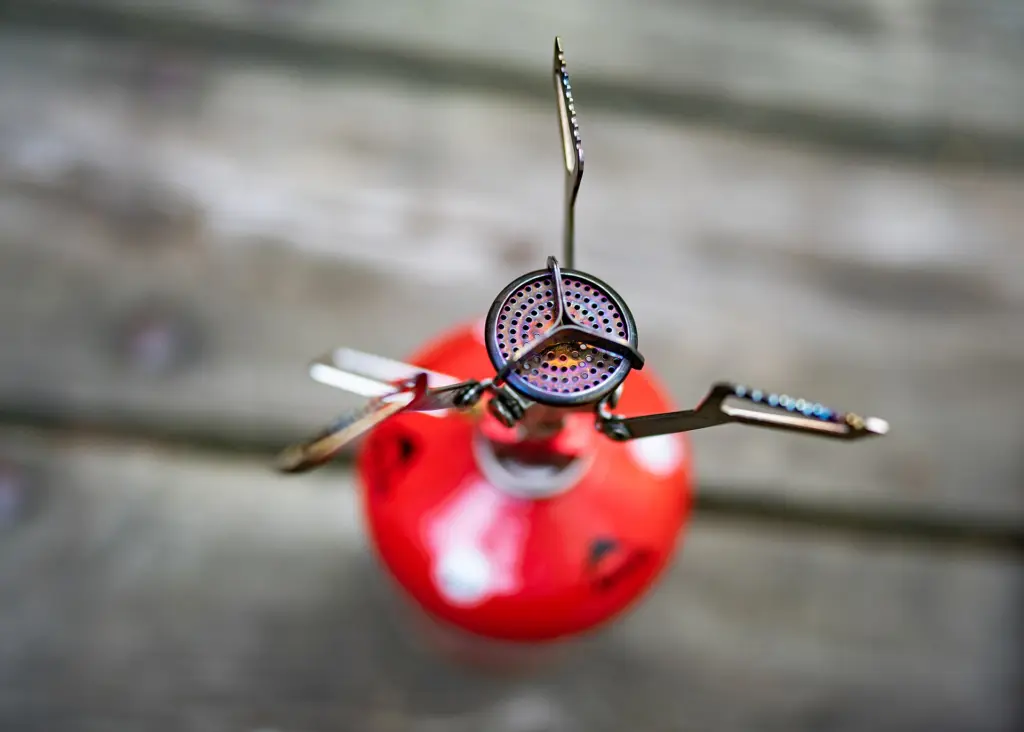
With camping stoves, the boil time on the box often points you in the wrong direction. If you only need water for tea and freeze-dried meals, a small canister-top burner such as the MSR PocketRocket 2 is enough. In wind or frost, an enclosed integrated stove system makes more sense. Everything else comes down to two questions that rarely get asked before buying. What goes into the pot? And how cold will it get?
First fork in the road: just water or real meals?
An integrated stove system is a pot with a built-in burner. It brings half a liter to a boil quickly and wastes little gas. It is hardly suitable for pasta with sauce, scrambled eggs or a frying pan, because the narrow pot concentrates the heat on one spot. A standalone burner, on the other hand, holds any pot you already own.
As for fuel, threaded canisters with an isobutane-propane mix are common on trips. Campingaz relies on its own valve and pierceable cartridges, Trangia traditionally on alcohol. Weight also clearly separates the camps: according to manufacturer specs, a canister-top burner stays under 120 grams, while an integrated system with pot is more in the range of 370 to 450 grams.
A pot volume of one liter is enough for one person with a hot drink and a meal. For two, it should be more. Tall, narrow combinations of canister and pot tip over more easily on uneven ground. And if the canister fits inside the pot, that saves noticeable space in your hiking backpack.
Second fork in the road: cold and altitude
Gas canisters lose pressure in the cold. MSR writes that propane has the highest vapor pressure and therefore copes best with cold, with isobutane coming next. Pure butane, as found in many pierceable cartridges, becomes sluggish around freezing. The manufacturer’s advice is simple: keep the canister warm in your sleeping bag or jacket before cooking.
Alcohol has the same problem in a different way. Trangia itself names cold as a weak point of the alcohol burner and, from about plus five degrees Celsius, recommends the winter attachment with preheater.
At high altitude, water boils at a lower temperature. So tea is not slower. Pasta takes longer. According to MSR, all boil times on spec sheets are lab values; outdoors in the wind, you should expect considerably longer.
Cooking inside the tent? We clearly say no
Any gas stove can produce carbon monoxide. The gas has no smell. In its instruction manuals, MSR explicitly warns that operating the stove in enclosed spaces can be fatal and, besides the tent, also names the vestibule, the car, the RV and the home. Trangia writes that its stoves are built for outdoor use, and should only be used indoors with good ventilation and never in small, poorly ventilated rooms.
A carbon monoxide detector can give a warning in an RV, but it does not make cooking inside a tent safe. If you get a headache, dizziness or nausea after cooking: get into fresh air immediately and call the emergency number 112.
Seven stoves, seven use cases
| Model | Type and fuel | Key specs according to manufacturer | Best for |
|---|---|---|---|
| MSR PocketRocket 2 | Canister-top burner, threaded canister | 73 g, 1 l in about 3.5 minutes | Hikers with their own pot |
| Primus Essential Trail Stove | Canister-top burner, threaded canister | 112 g, 1 l in about 3.5 minutes | Beginners |
| Jetboil Flash 1.0L | Integrated stove system, threaded canister | 371 g without stabilizer, 0.5 l in 120 seconds | Anyone who boils almost nothing but water |
| MSR WindBurner Personal 1.0L | Integrated stove system with wind-protected burner | 433 g, 1 l in 4.5 minutes | Wind, cold, open terrain |
| Campingaz Twister Plus PZ | Burner for CV valve cartridges | 274 g, 2,900 W, 1 l in 3:45 minutes | Campsites and festivals |
| Campingaz Camp’Bistro 3 | Tabletop stove, CP 250 butane cartridge | 1.6 kg, 2,200 W, 1 l in 6:25 minutes | Car camping, skillet meals |
| Trangia 27-1 UL | Storm cooker with alcohol burner | 1 to 2 people, two 1 l pots, frying pan | Canoeing, the Scandinavian fells, low maintenance |
MSR PocketRocket 2: little weight, lots of freedom
According to MSR, the burner weighs 73 grams and brings a liter to a boil with IsoPro gas in about three and a half minutes. It sits on any threaded canister and holds the pot you already own. It offers little protection against wind. Even so, it remains a sensible starting point for hikers.
Primus Essential Trail Stove: the simple way in
Primus specifies 112 grams and around three and a half minutes for one liter. A bit heavier than the PocketRocket, same principle. For a first stove where you are not counting grams, you lose nothing with it.
Jetboil Flash 1.0L: fast, but one-sided
Jetboil states 371 grams without the stabilizer and 120 seconds for half a liter. Pot and burner are connected, and the canister disappears inside the pot. Coffee in the morning, a pouch meal in the evening: that is what it is made for. If you want to actually cook, the tall, narrow pot will frustrate you.
MSR WindBurner Personal: when the wind has a say
For the 1-liter system, MSR specifies 433 grams and 4.5 minutes per liter. On paper, that is slower than the Jetboil. But the burner is built for wind, and that is exactly where open flames lose the most time and gas. Above the tree line, it is the more level-headed choice.
Campingaz Twister Plus PZ: for the campsite, not the summit
2,900 watts of output, 3:45 minutes per liter: according to Campingaz, the Twister is powerful. The CV 300 Plus valve cartridge contains a butane-propane mix in a ratio of 80 to 20, and with it Campingaz states a burn time of over 70 minutes. 274 grams is too much for a backpack. At the campsite, that does not matter.
Campingaz Camp’Bistro 3: the kitchen in a case
A tabletop stove with 2,200 watts and a CP 250 pierceable cartridge, weighing 1.6 kilograms according to the manufacturer. For a frying pan, pot and vegetables next to the car, it is convenient. On cold nights, butane shows its weakness. This stove also belongs outdoors, not in the awning.
Trangia 27-1 UL: slow, but indestructible
Trangia designs this set from the 27 series for one or two people, with two 1-liter pots, a frying pan and a windscreen. The alcohol burner has no moving parts. According to the manufacturer, 100 milliliters burn for about 25 minutes. That is not fast. But nothing can clog, and a gas burner can be added later.
Which path leads to which stove?
If you hike with your own pot, you end up with the MSR PocketRocket 2: light, flexible, little technology. For a first stove where you are not counting grams, the Primus Essential Trail Stove is enough. If you boil almost nothing but hot water and the narrow pot does not bother you, the Jetboil Flash 1.0L fits. Lots of wind, autumn and winter? Then the MSR WindBurner Personal, together with canisters that contain propane. At the campsite and at festivals, the Campingaz Twister Plus PZ is enough, and if you arrive by car and like skillet meals, take the Camp’Bistro 3. If you are traveling by car anyway and have a compressor cooler (in German) with you, the weight hardly matters. For canoeing, long trips and low maintenance, the Trangia 27-1 UL with alcohol remains the choice.
There is no one stove for everything. When in doubt, start with a light canister-top burner, and only get an integrated system once it is clear that nothing but water will go into the pot anyway.
How much an induction plate and an electric kettle draw from a power station is covered in our guide Cooking with a power station.
Frequently asked questions
What is the difference between an integrated stove system and a canister-top burner?
An integrated stove system is a pot with a built-in burner. It brings half a liter to a boil quickly and wastes little gas, but it is hardly suitable for pasta with sauce or a frying pan. A standalone canister-top burner holds any pot and, according to manufacturer specs, stays under 120 grams; an integrated system with pot is more in the range of 370 to 450 grams.
Does a gas stove work in cold weather?
Gas canisters lose pressure in the cold. According to MSR, propane has the highest vapor pressure and handles cold well, isobutane comes next, and pure butane becomes sluggish around freezing. The manufacturer's advice: keep the canister warm in your sleeping bag or jacket before cooking.
Can you cook inside a tent?
No. MSR explicitly warns against it, and Trangia only allows indoor use with good ventilation and never in small, poorly ventilated spaces. Any gas stove can produce carbon monoxide, which has no smell. MSR warns that operating it in enclosed spaces can be fatal and, besides the tent, also names the vestibule, car, RV and home. If you get a headache, dizziness or nausea after cooking, get into fresh air immediately and call the emergency number 112.
Is an alcohol stove like the Trangia worth it?
For canoeing, long trips and low maintenance, the Trangia 27-1 UL is a good option. The alcohol burner has no moving parts, and nothing can clog. It is not fast, and Trangia itself names cold as a weak point; from about plus five degrees Celsius, the manufacturer recommends the winter attachment with preheater.
Which stove suits car camping?
If you arrive by car and like skillet meals, the Campingaz Camp’Bistro 3 serves you well, a tabletop stove with 2,200 watts and a CP 250 pierceable cartridge. On cold nights, however, butane shows its weakness, and this stove also belongs outdoors, not in the awning.
How reliable are the boil times on the box?
According to MSR, all boil times on spec sheets are lab values; outdoors in the wind, you should expect considerably longer. At high altitude, water boils at a lower temperature, so pasta takes longer.
Sources
- MSR: PocketRocket 2
- MSR: WindBurner Personal Stove System
- MSR: A Guide to MSR Backpacking Stoves
- MSR: The Ultimate Guide to MSR Fuel
- MSR: Snow Camping Pro Tips
- MSR: instruction manual with carbon monoxide warning (PDF)
- Primus: Essential Trail Stove
- Jetboil: Flash 1.0L
- Campingaz: Twister Plus PZ
- Campingaz: CV 300 Plus
- Campingaz: Camp’Bistro 3
- Trangia: Stove 27-1 UL
- Trangia: Guide Spirit burner
Where to buy
- MSR PocketRocket 2Check price at Amazon.deCheck price at Amazon.co.ukCheck price at Amazon.nlCheck price at Amazon.com.beCheck price at Amazon.frCheck price at Amazon.itCheck price at Amazon.esCheck price at Amazon.plCheck price at Amazon.seAvailable in Germany: Amazon.de
- Primus Essential Trail StoveCheck price at Amazon.deCheck price at Amazon.co.ukCheck price at Amazon.nlCheck price at Amazon.com.beCheck price at Amazon.frCheck price at Amazon.itCheck price at Amazon.esCheck price at Amazon.plCheck price at Amazon.seAvailable in Germany: Amazon.de
- Jetboil Flash 1.0LCheck price at Amazon.deCheck price at Amazon.co.ukCheck price at Amazon.nlCheck price at Amazon.com.beCheck price at Amazon.frCheck price at Amazon.itCheck price at Amazon.esCheck price at Amazon.plCheck price at Amazon.seAvailable in Germany: Amazon.de
- MSR WindBurner Personal 1.0LCheck price at Amazon.deCheck price at Amazon.co.ukCheck price at Amazon.nlCheck price at Amazon.com.beCheck price at Amazon.frCheck price at Amazon.itCheck price at Amazon.esCheck price at Amazon.plCheck price at Amazon.seAvailable in Germany: Amazon.de
- Campingaz Twister Plus PZCheck price at Amazon.deCheck price at Amazon.co.ukCheck price at Amazon.nlCheck price at Amazon.com.beCheck price at Amazon.frCheck price at Amazon.itCheck price at Amazon.esCheck price at Amazon.plCheck price at Amazon.seAvailable in Germany: Amazon.de
- Campingaz Camp'Bistro 3Check price at Amazon.deCheck price at Amazon.co.ukCheck price at Amazon.nlCheck price at Amazon.com.beCheck price at Amazon.frCheck price at Amazon.itCheck price at Amazon.esCheck price at Amazon.plCheck price at Amazon.seAvailable in Germany: Amazon.de
- Trangia 27-1 ULCheck price at Amazon.deCheck price at Amazon.co.ukCheck price at Amazon.nlCheck price at Amazon.com.beCheck price at Amazon.frCheck price at Amazon.itCheck price at Amazon.esCheck price at Amazon.plCheck price at Amazon.seAvailable in Germany: Amazon.de