Contents12 sections
This guide was first published in German on handgetestet.de.
If you buy an eau de cologne and are annoyed after two hours that the scent has faded, you have not bought the wrong thing. You have just expected the wrong thing. If you are in the mood for a classic citrus scent, the Jean-Marie Farina Eau de Cologne by Roger&Gallet is a good place to start: an honest Kölnisch Wasser style with clearly traceable notes. If you want more staying power, reach for an eau de toilette rather than another cologne.
What does eau de cologne actually mean?
First, a definition, because it decides the purchase. The Verbraucher Initiative, a German federal association for consumer issues, classifies fragrances by their proportion of perfume oils. It puts an eau de cologne at 3 to 5 percent, and it fades quickly. According to the same source, Kölnisch Wasser (the traditional Cologne water) has the same fragrance content, is made from various citrus oils and contains at least 70 percent alcohol. The additions „echt“ (genuine) and „original“ indicate production in Cologne.
For comparison, the association gives these guideline values:
- Eau fraîche: 1 to 3 percent, lasts somewhat longer on clothing than on skin.
- Eau de toilette: about 4 to 8 percent, more intense and longer-lasting than an eau de cologne.
- Eau de parfum: 8 to 15 percent.
- Parfum: 15 to 30 percent, the highest concentration.
This leads to a simple rule. Whether „Colonia“, „Cologne“ or „Acqua“ appears in the product name is marketing. What counts is the designation eau de cologne, eau de toilette or eau de parfum on the package. An eau de cologne remains an eau de cologne, no matter how refined the name sounds.
How long does a fresh scent really last?
Shorter than many hope. According to the Verbraucher Initiative, a fragrance’s top note lasts about 10 minutes. The heart note is noticeable for a few hours, and the base note can linger on clothing for days. With citrus scents, the weight lies at the top, in exactly the phase that fades fastest. Lemon, orange and bergamot are the stars of the first quarter of an hour.
A few tricks from the same source extend the pleasure. Spray from 20 to 30 centimeters and let it dry; do not rub it in. Apply it right after showering or on skin moisturized with an unscented cream, and the scent will cling longer. And store the bottle in the dark at room temperature; the bathroom is often too warm. An eau de cologne is meant to be reapplied anyway. A small atomizer for your bag solves the problem more elegantly than a different fragrance; more on that in our guide to perfume atomizers.
Bergamot and sunshine: do you need to be careful?
Yes, a little. Expressed bergamot oil contains furocoumarins, which can react on the skin under UV light. The dermatological reference work Altmeyers describes so-called berloque dermatitis as a phototoxic skin reaction to cosmetics containing bergamot oil, which only develops in sunlight. The neck and décolleté are typical areas, and streaky brown spots often remain afterward that can stay visible for a long time. An old nickname is eau de cologne dermatitis.
The fragrance industry limits the risk itself. The standard of the industry association IFRA (2020 version) permits expressed bergamot oil in most product categories only up to 0.4 percent in the finished product. Where the content of the main substance bergapten is measured, it should not exceed 15 ppm on sun-exposed skin. One detail from Switzerland is worth noting: the Swiss Federal Food Safety and Veterinary Office (BLV) sets a legal maximum for furocoumarins in creams, lotions and aftershaves, but perfumes are exempt. Our advice matches that of the Verbraucher Initiative. Before sunbathing, do not spray citrus scents on your skin; put them on clothing instead, or wait until the evening. If you have ever noticed spots after using perfume, have them checked by a doctor.
And what does it say on the back?
Limonene, linalool, citral, geraniol: these names appear on almost every citrus scent. They are fragrance substances considered contact allergens, and they therefore have to be listed individually above certain amounts. With EU Regulation 2023/1545, the list is growing. The Austrian agency AGES counts 82 substances as established contact allergens in humans. New products have had to be labeled accordingly since July 31, 2026, while older stock may still be sold until July 31, 2028. So for a while you will find old and new labels side by side. If you are allergic to a particular substance, read the list before buying, not after.
Five fresh fragrances compared
| Model | Type | Scent profile according to manufacturer | Best for |
|---|---|---|---|
| Roger&Gallet Jean-Marie Farina | Eau de cologne, 100 ml | Lemon, orange, petit grain, lavender, rosemary | Fans of the classics, summer, the office |
| Acqua di Parma Colonia | Eau de cologne | Formula from 1916, twelve natural ingredients | If you value tradition and the bottle |
| Roger&Gallet Néroli | Fragrant water, 100 ml and 30 ml | Neroli, orange blossom, immortelle | Neroli lovers, a gentle presence |
| Clarins Eau Dynamisante | Treatment fragrance, 100, 200 and 500 ml | Orange, mandarin, petitgrain, lavender, patchouli | Fragrance as a morning routine |
| Dolce&Gabbana Light Blue Pour Homme | Eau de toilette | Citrus, rosemary, patchouli (woody aromatic) | If you want more staying power |
Roger&Gallet Jean-Marie Farina: the unvarnished classic
Roger&Gallet dates the fragrance to 1806 and states that the formula has remained unchanged since then. Top note lemon, heart of orange and petit grain, base of lavender and rosemary; the manufacturer names the family „Citrus aromatique“ and 98 percent ingredients of natural origin. This is exactly how an eau de cologne smells in the original sense. According to the manufacturer, you spray a cloud of scent in front of you and walk through it, which suits the short longevity well. The ingredient list includes citral, eugenol and coumarin, among others. For allergy sufferers, that means: check first.
Acqua di Parma Colonia: tradition since 1916
According to the parent company LVMH, Baron Carlo Magnani created the Colonia in 1916, initially for himself and a small circle, and the composition has stayed the same since then. The company names twelve natural ingredients. This is about origin, craftsmanship and a bottle people recognize. It does not automatically buy you more hours on the skin, because the Colonia is also an eau de cologne. If you know that and love the scent, you will still be happy.
Roger&Gallet Néroli: softer, more floral
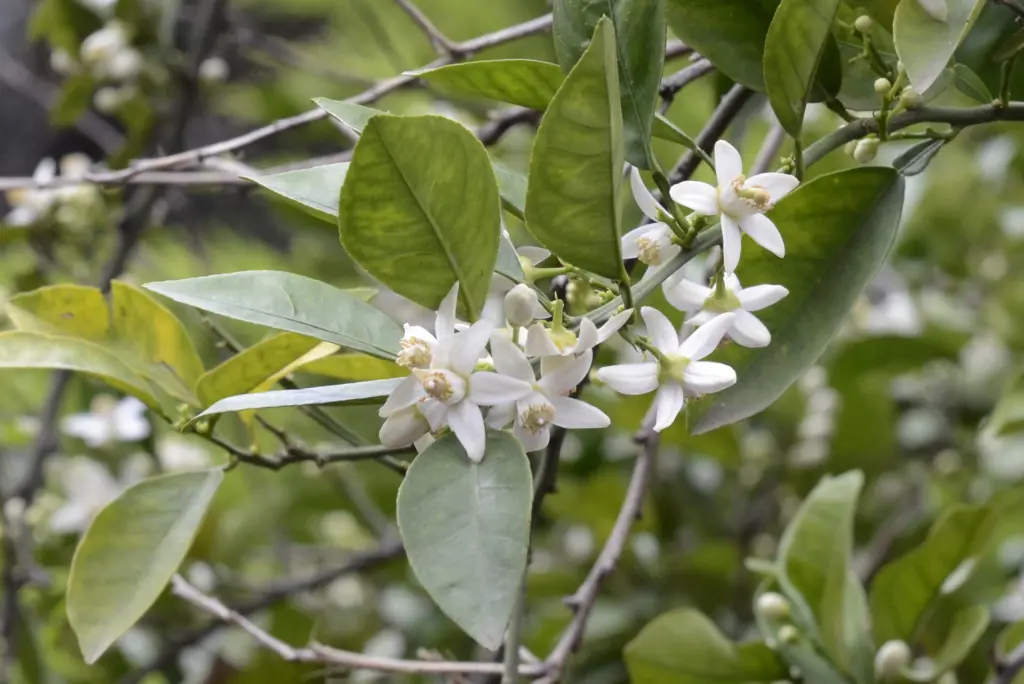
Neroli is the oil of the bitter orange blossom. Roger&Gallet builds this fragrant water from neroli, orange blossom and immortelle, making it noticeably more floral than the Farina classic. According to the manufacturer, the fragrance was composed by perfumer Fabrice Pellegrin, and 90 percent of the ingredients are of natural origin. The 30 ml size is handy for a handbag. If you are looking for blossom rather than lemon peel, this is the right choice.
Clarins Eau Dynamisante: treatment fragrance instead of perfume
Clarins lists the Eau Dynamisante as an aromatic fragrance in its Eaux de Soin line. At the top, sweet and bitter orange, mandarin and petitgrain; underneath, lavender, eucalyptus, tarragon, nutmeg and patchouli. The manufacturer recommends applying it in the morning and again during the day. It comes in three sizes up to 500 ml. It is more of an everyday body fragrance than a statement for the evening, and that is how you should buy it.
Dolce&Gabbana Light Blue Pour Homme: when cologne is too short-lived
Not an eau de cologne, but an eau de toilette. The manufacturer describes a woody aromatic fragrance in which rosemary is wrapped in zesty citrus notes and patchouli. According to the Verbraucher Initiative’s classification, an eau de toilette lasts longer than an eau de cologne. If you want to spray once in the morning and then be done with it, this type serves you better. Purists, however, will miss the clear lemony sharpness of the classic.
Which fragrance suits which daily routine?
- You want the original feel of Kölnisch Wasser and like to reapply: Roger&Gallet Jean-Marie Farina.
- You are looking for tradition and something gift-worthy: Acqua di Parma Colonia.
- You prefer floral to tart: Roger&Gallet Néroli.
- You want a fresh scent after showering, several times a day: Clarins Eau Dynamisante.
- You need freshness that lasts until noon: Light Blue Pour Homme as an eau de toilette.
Test before you buy. The Verbraucher Initiative advises spraying onto a paper strip first and trying no more than five fragrances at once, and even fewer with very similar scents. A citrus scent changes noticeably after ten minutes. If you want to get your bearings in general, the perfume advisor (in German) shows you the right fragrance families; for more unusual compositions, our guide to niche fragrances (in German) helps.
If you are looking for a fragrance that lasts until the evening, you will find concentrations and base notes in the guide to long-lasting perfume (in German).
More fresh fragrances for warm days are in the guide to summer fragrances (in German).
Frequently asked questions
What is the difference between eau de cologne and eau de toilette?
The proportion of perfume oils. The Verbraucher Initiative, a German consumer association, puts an eau de cologne at 3 to 5 percent and an eau de toilette at about 4 to 8 percent, more intense and longer-lasting. What counts is the label on the package, not names like "Colonia" or "Acqua".
How long does an eau de cologne last on the skin?
Shorter than many hope. According to the Verbraucher Initiative, the top note lasts about 10 minutes and the heart note a few hours. With citrus scents, the weight lies at the top, in the phase that fades fastest. An eau de cologne is meant to be reapplied.
How do I apply eau de cologne correctly?
Spray from 20 to 30 centimeters and let it dry; do not rub it in. Applied right after showering or on skin moisturized with an unscented cream, the scent clings longer. Store the bottle in the dark at room temperature; the bathroom is often too warm.
Can bergamot in perfume cause spots on the skin?
Expressed bergamot oil contains furocoumarins, which can react under UV light. Altmeyers describes berloque dermatitis as a phototoxic reaction, typically on the neck and décolleté, with streaky brown spots. Before sunbathing, it is better to spray citrus scents on clothing. If spots appear after using perfume, have them checked by a doctor.
What does "echt Kölnisch Wasser" mean?
According to the Verbraucher Initiative, Kölnisch Wasser (Cologne water) has the same fragrance content as an eau de cologne, is made from various citrus oils and contains at least 70 percent alcohol. The additions "echt" (genuine) and "original" indicate production in Cologne.
Why are limonene and linalool listed on the label?
They are fragrance substances considered contact allergens, which must be listed individually above certain amounts. With EU Regulation 2023/1545, the list is growing, and new products have had to be labeled accordingly since July 31, 2026. If you are allergic to a substance, read the list before buying.
Sources
- Verbraucher Initiative e. V.: Fragrances and fragrance substances (topic booklet, December 2022)
- IFRA Standard: Bergamot oil expressed (Amendment 49)
- IFRA Standard: Citrus oils and other furocoumarins containing essential oils (Amendment 49)
- Altmeyers Encyclopedia: Berloque dermatitis
- BLV Switzerland: Furocoumarins
- AGES: New fragrance regulation in cosmetics
- Roger&Gallet: Jean-Marie Farina Eau de Cologne
- Roger&Gallet: Néroli fragrant water
- LVMH: Acqua di Parma
- Clarins: Eau Dynamisante
- Dolce&Gabbana: Light Blue Pour Homme Eau de Toilette
Where to buy
- Roger&Gallet Jean-Marie Farina Eau de Cologne (100 ml)Check price at Amazon.deCheck price at Amazon.co.ukCheck price at Amazon.nlCheck price at Amazon.com.beCheck price at Amazon.frCheck price at Amazon.itCheck price at Amazon.esCheck price at Amazon.plCheck price at Amazon.seAvailable in Germany: Amazon.de
- Acqua di Parma Colonia Eau de CologneCheck price at Amazon.deCheck price at Amazon.co.ukCheck price at Amazon.nlCheck price at Amazon.com.beCheck price at Amazon.frCheck price at Amazon.itCheck price at Amazon.esCheck price at Amazon.plCheck price at Amazon.seAvailable in Germany: Amazon.de
- Roger&Gallet Néroli WohlfühlwasserCheck price at Amazon.deCheck price at Amazon.co.ukCheck price at Amazon.nlCheck price at Amazon.com.beCheck price at Amazon.frCheck price at Amazon.itCheck price at Amazon.esCheck price at Amazon.plCheck price at Amazon.seAvailable in Germany: Amazon.de
- Clarins Eau DynamisanteCheck price at Amazon.deCheck price at Amazon.co.ukCheck price at Amazon.nlCheck price at Amazon.com.beCheck price at Amazon.frCheck price at Amazon.itCheck price at Amazon.esCheck price at Amazon.plCheck price at Amazon.seAvailable in Germany: Amazon.de
- Dolce&Gabbana Light Blue Pour Homme Eau de ToiletteCheck price at Amazon.deCheck price at Amazon.co.ukCheck price at Amazon.nlCheck price at Amazon.com.beCheck price at Amazon.frCheck price at Amazon.itCheck price at Amazon.esCheck price at Amazon.plCheck price at Amazon.seAvailable in Germany: Amazon.de