Contents13 sections
This guide was first published in German on handgetestet.de.
Megapixels sell cameras. But the real decision is made by the lenses, and many people only notice that after buying. If you take photo and video equally seriously, a full-frame camera in the 24 to 33 megapixel class sets you up well in 2026. The Canon EOS R6 Mark III, Nikon Z6III and Sony Alpha 7 V cover almost everything.
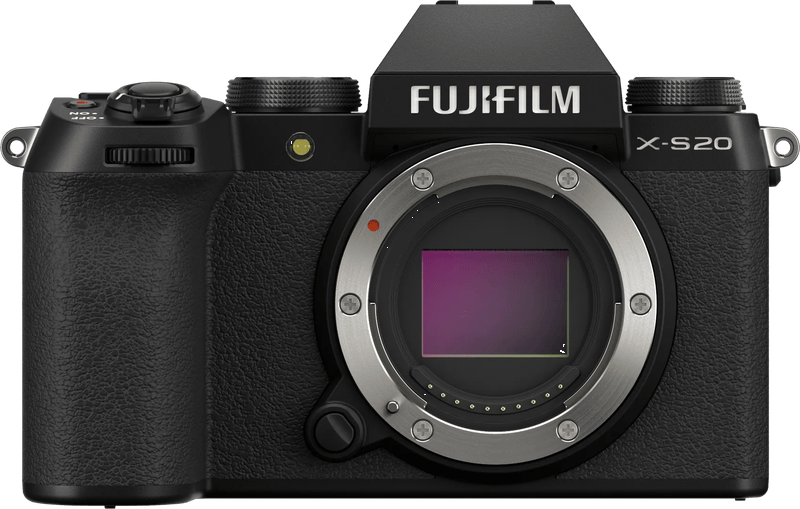
If the focus is clearly on filming and you want an open lens system, the Panasonic Lumix S5IIX with L-Mount is a natural choice. Want to travel lighter and spend less? Then on the APS-C side, the Fujifilm X-S20 and the Sony Alpha 6700 are options, both very versatile.
Step one: the system, not the body
You replace the body after a few years. The lenses often stay much longer. Sony E-mount, Nikon Z, Canon RF, Fujifilm X and the L-Mount from Panasonic, Sigma and Leica differ considerably in their selection, especially when it comes to third-party lenses. This question deserves more time than comparing two spec sheets.
Step two: sensor size and resolution
A full-frame sensor is about 2.3 times as large as an APS-C sensor. That usually means less noise in low light and more subject separation. APS-C cameras and their lenses, on the other hand, are smaller, lighter and cheaper. When traveling and in everyday use, that often counts for more.
As for resolution, 24 to 33 megapixels are enough for prints, cropping and the web. More pixels mean larger files. And they demand better lenses.
Step three, for videographers only: the fine print
10-bit with 4:2:2 leaves more room for color grading. RAW video or ProRes is the most convenient for post-production but requires fast cards or an external SSD. And the highest video modes often only run on CFexpress cards, which add to the follow-up costs.
The crop is the tricky part. Many cameras crop to a smaller sensor area at 4K with 100 or 120 frames per second, and your wide angle then becomes narrower. The spec sheet tells you which modes use the full sensor width.
In-body image stabilization (IBIS) helps with handheld photos and with video without a gimbal. The ratings in stops often only apply in the center of the frame or with a stabilized lens.
Older lenses and video crop
Older lenses can also serve well on current bodies. An example from our hands-on check: the Sigma 35mm F1,4 DG HSM Art with L-Mount ran on the Lumix S1 there. For videographers, one detail is decisive. In 4K mode at 50p or 60p, the S1 crops by a factor of around 1.5, turning 35 mm into a field of view of about 52 mm. You can read more in our hands-on check of the Sigma 35mm on the Lumix S1. Which other fast lenses are available for L-Mount is shown in our guide to L-Mount prime lenses (in German).
Six cameras, two sensor sizes
| Model | Sensor | Video (internal, max.) | Stabilization (manufacturer) | Best for |
|---|---|---|---|---|
| Canon EOS R6 Mark III | Full frame, 32.5 MP | 7K RAW up to 60p, 4K up to 120p | up to 8.5 stops (center) | Hybrid pros, weddings, sports |
| Nikon Z6III | Full frame, 24.5 MP, partially stacked | 6K N-RAW up to 60p, 4K up to 120p | up to 8 stops | Videographers who want RAW, all-rounders |
| Sony Alpha 7 V | Full frame, 33 MP, partially stacked | 4K 60p full frame, 4K 120p (Super 35), 10-bit 4:2:2 | up to 7.5 stops (center) | Photographers who also shoot video |
| Panasonic Lumix S5IIX | Full frame, 24.2 MP | 6K 30p, 4K 60p 10-bit, ProRes to SSD | 5-axis, Active I.S. | Videographers, L-Mount users |
| Fujifilm X-S20 | APS-C, 26.1 MP | 6.2K 30p, 4K 60p, 10-bit 4:2:2 | up to 7 stops | Travel, vlogging, beginners |
| Sony Alpha 6700 | APS-C, 26 MP | 4K 60p, 4K 120p (with crop), 10-bit 4:2:2 | up to 5 stops | Compact hybrid camera |
Canon EOS R6 Mark III: 7K RAW in a hybrid body
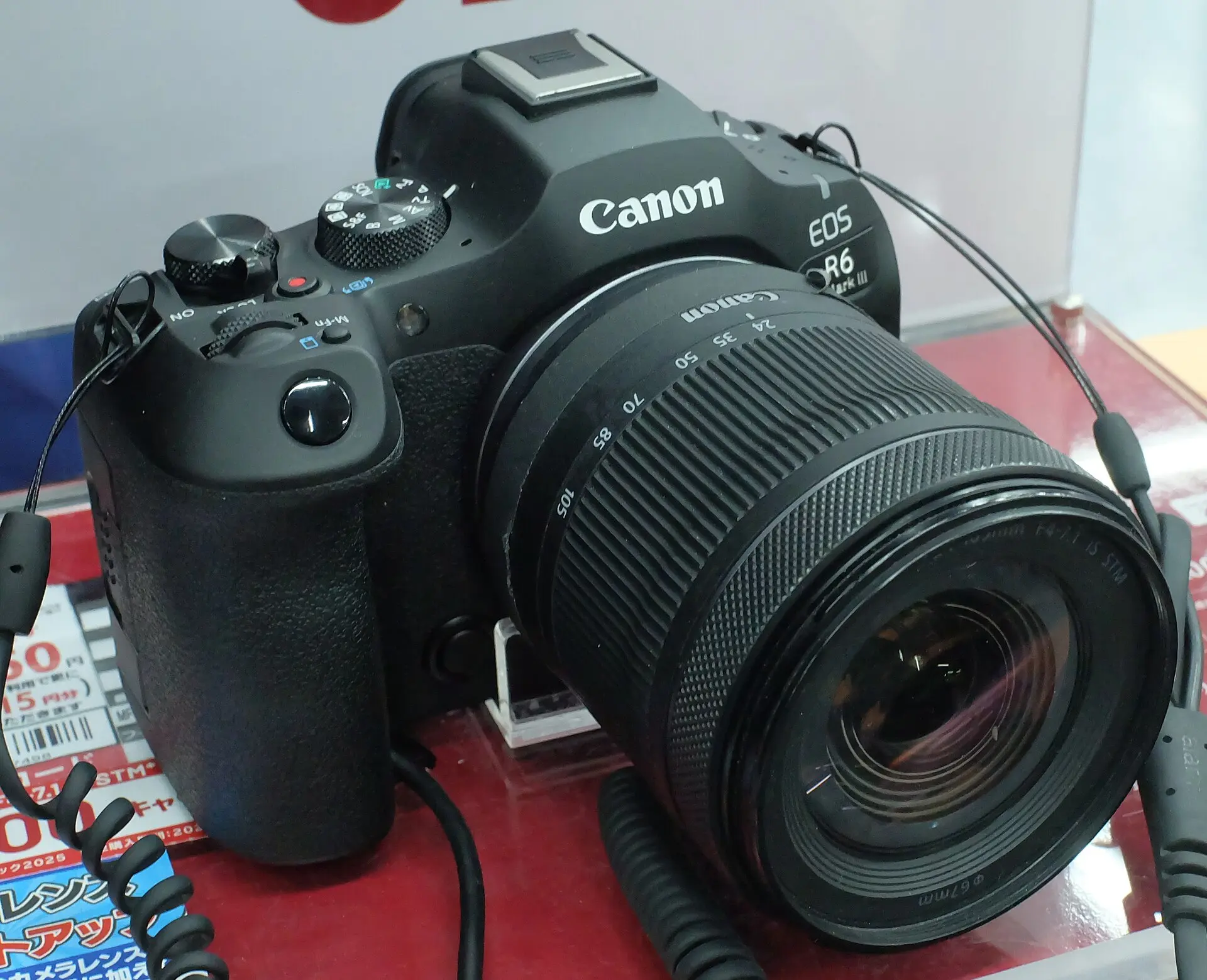
Announced in November 2025. According to Canon, the R6 Mark III records 7K RAW internally at up to 60 frames per second. On top of that comes an open-gate mode at 7K and 30p that uses the full sensor area. According to the manufacturer, stabilization reaches up to 8.5 stops in the center of the frame. The highest video modes require a CFexpress Type B card; the second slot takes SD cards. For weddings and sports, where photo and video are needed on the same day, that makes for a very well-rounded package.
Nikon Z6III: RAW video at a mid-range weight
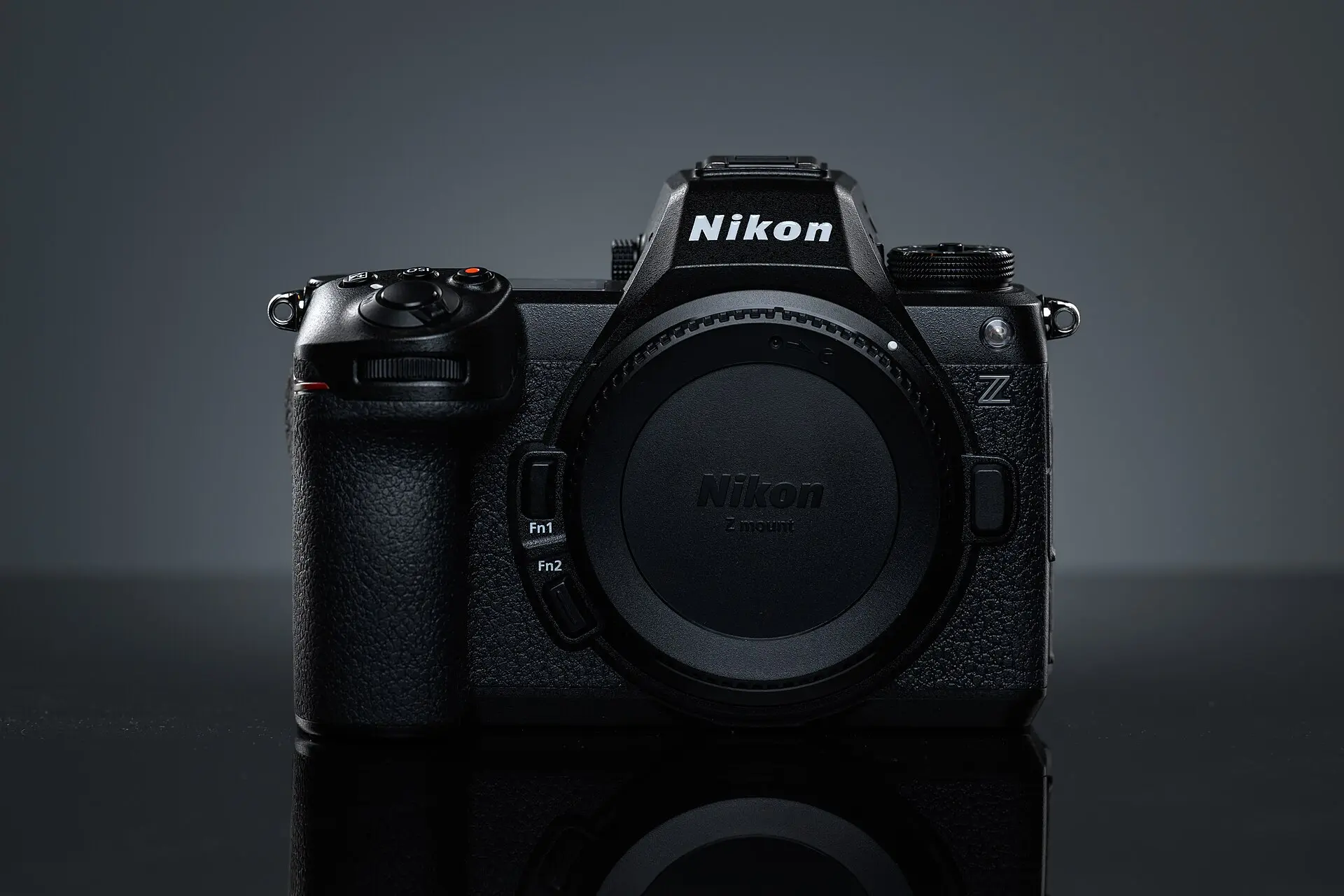
Inside is a partially stacked 24.5-megapixel sensor that reads out faster than a conventional one. Internally, the Z6III records 6K RAW up to 60p, either as N-RAW or ProRes RAW HQ, plus 5.4K in ProRes 422 HQ. Nikon quotes up to 8 stops of stabilization. With battery and card, it weighs around 760 grams.
Sony Alpha 7 V: the photographer’s camera with good video
On the market since December 2025, with a partially stacked 33-megapixel sensor. It films 4K at 60p across the full sensor width, oversampled from 7K, and 4K at 120p in the Super 35 crop, both in 10-bit 4:2:2. According to the trade press, it does not offer RAW video. If you can do without that, you will still find an obvious camera for photography with some video in the large Sony E-mount system.
Panasonic Lumix S5IIX: built for filming
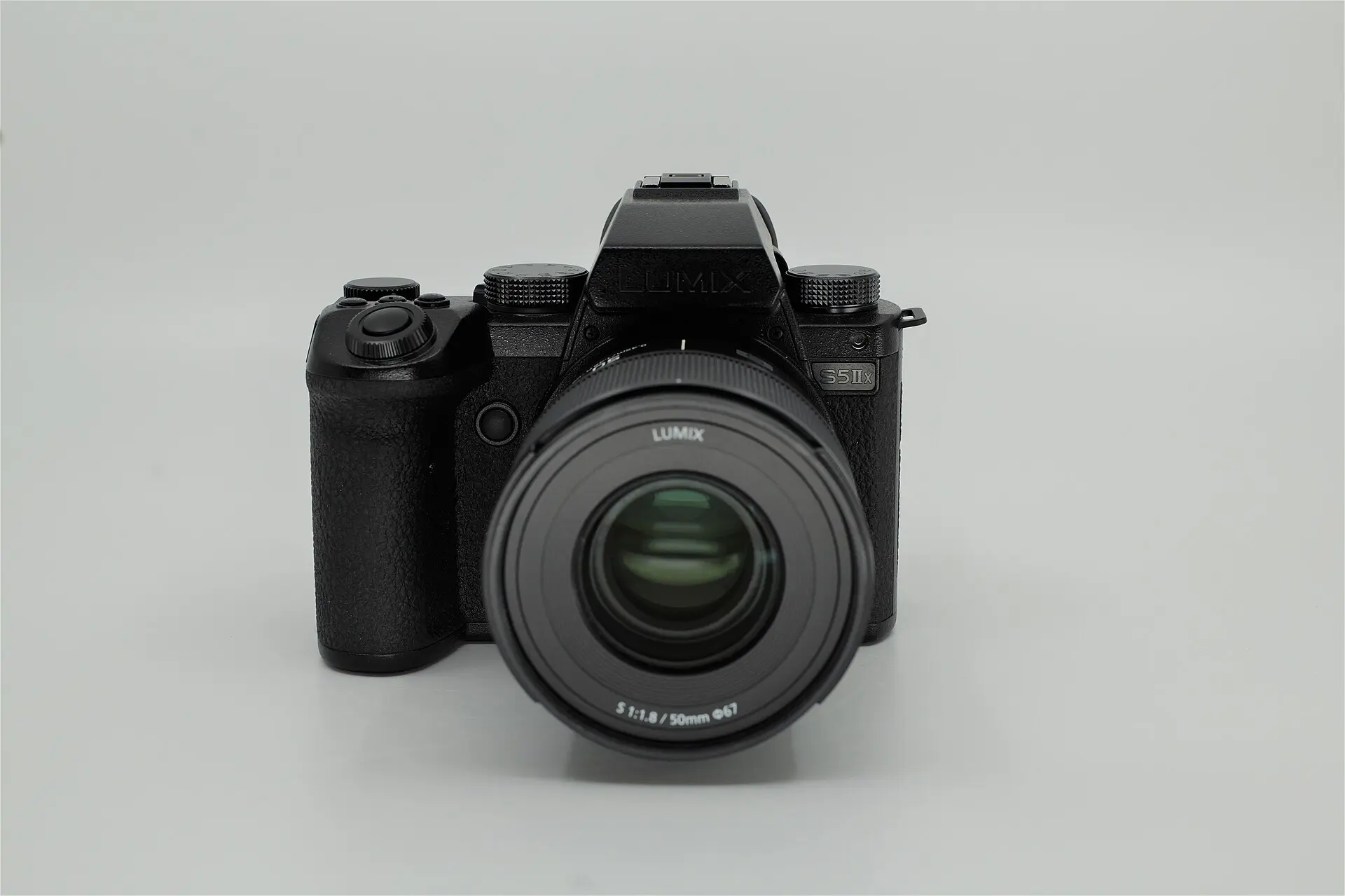
The video version of the S5II, with L-Mount. According to the manufacturer, it records 6K at 30p and 4K at 60p in 10-bit, with no fixed time limit for 4K 60p. Via USB-C, it writes ProRes directly to an external SSD, and via HDMI it outputs RAW video to compatible recorders. The phase hybrid autofocus was new for Panasonic at the time.
Thanks to the L-Mount, lenses from Sigma and Leica fit as well. That noticeably widens the selection.
We use the S5IIX ourselves. In our hands-on review of the Lumix S5IIX, image quality and stabilization were convincing; the only thing missing is a built-in ND filter.
Fujifilm X-S20: light enough for any trip

26.1 megapixels on APS-C and around 491 grams including battery and card. According to Fujifilm, the X-S20 films 6.2K at 30p without a crop and 4K at 60p, internally in 10-bit 4:2:2. According to the manufacturer, the stabilizer achieves up to 7 stops. At this weight, it rarely stays at home.
Sony Alpha 6700: starting small in E-mount
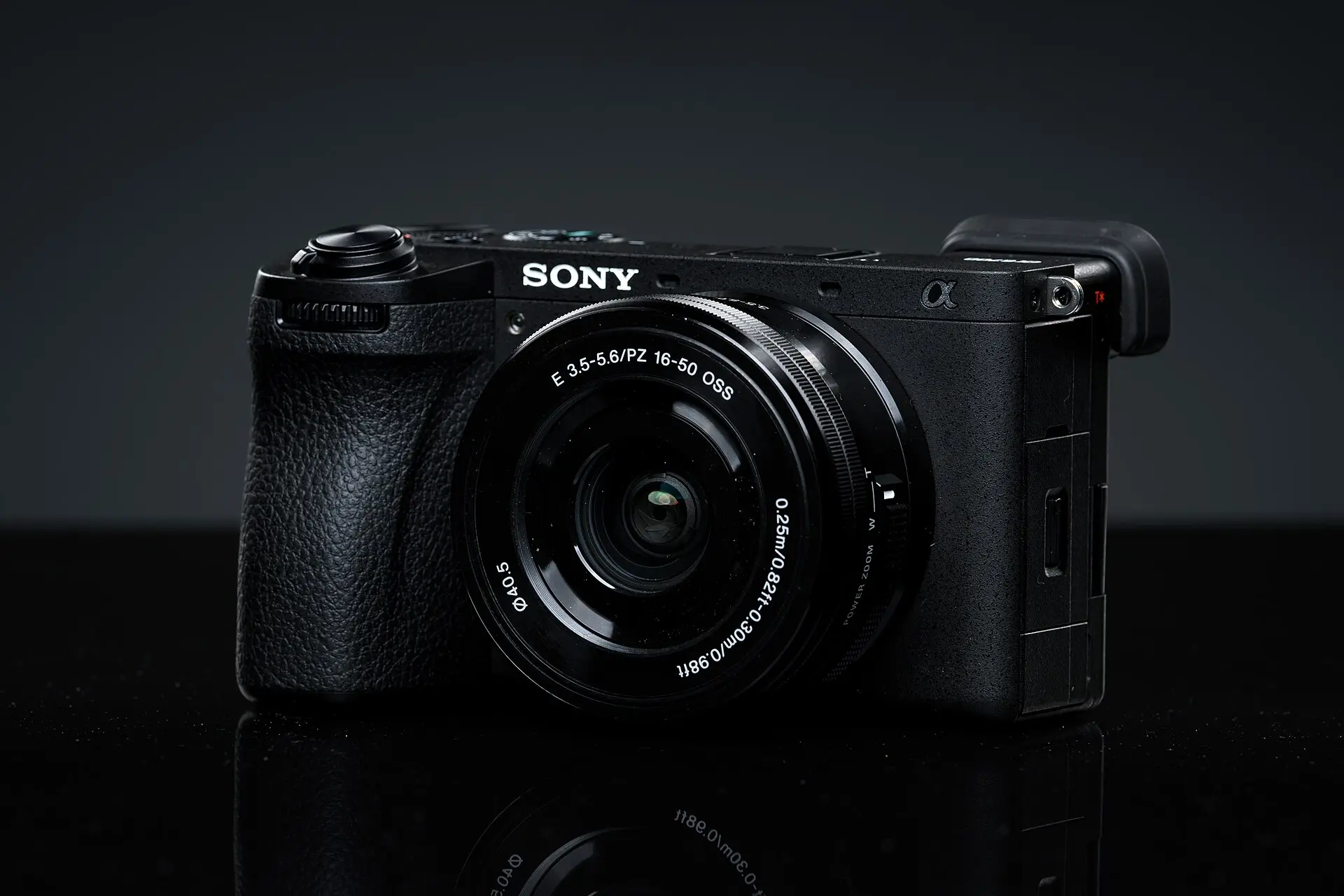
The Alpha 6700 offers 26 megapixels on APS-C and films 4K at 60p from an oversampled 6K image. For 4K at 120p, according to the trade press, an additional crop of about 1.6 applies. Sony quotes 5 stops of stabilization. Its biggest advantage is the mount. If you switch to full frame later, you stay in the E-mount system and can keep using your lenses.
Which camera suits which photographer
You want photo and video at a high level? Then you will end up with the Canon EOS R6 Mark III. If internal RAW video matters to you, it will be the Nikon Z6III.
If photography comes first and you only film occasionally, the Sony Alpha 7 V is the right fit. The other way around, if video sets the pace and the lens system should be open, everything points to the Panasonic Lumix S5IIX with L-Mount, plus suitable L-Mount prime lenses (in German).
For travel, vlogging and getting started, take the Fujifilm X-S20. And if you want to start small and move to full frame later, begin with the Sony Alpha 6700.
Frequently asked questions
What matters most when buying a mirrorless camera?
The lens system, not the body. You replace the body after a few years; the lenses often stay much longer. Sony E-mount, Nikon Z, Canon RF, Fujifilm X and L-Mount differ considerably in their selection, especially when it comes to third-party lenses.
What is the difference between full frame and APS-C?
A full-frame sensor is about 2.3 times as large as an APS-C sensor. That usually means less noise in low light and more subject separation. APS-C cameras and their lenses, on the other hand, are smaller, lighter and cheaper, which often counts for more when traveling and in everyday use.
How many megapixels does a mirrorless camera need?
24 to 33 megapixels are enough for prints, cropping and the web. More pixels mean larger files and demand better lenses. All six cameras in the comparison fall within this range, from 24.2 megapixels on the Lumix S5IIX to 33 on the Sony Alpha 7 V.
What should videographers look for in a mirrorless camera?
10-bit with 4:2:2 leaves more room for color grading; RAW video or ProRes is the most convenient for post-production but requires fast cards or an external SSD. Many cameras crop to a smaller sensor area at 4K with 100 or 120 frames per second, which makes your wide angle narrower.
Which mirrorless camera is suitable for travel and vlogs?
The Fujifilm X-S20, with 26.1 megapixels on APS-C, weighs around 491 grams including battery and card. According to Fujifilm, it films 6.2K at 30p without a crop and 4K at 60p in 10-bit 4:2:2, and the stabilizer achieves up to 7 stops.
Is APS-C worth it if you want to move to full frame later?
With the Sony Alpha 6700, yes: if you switch to full frame later, you stay in the E-mount system and can keep using your lenses. The camera offers 26 megapixels and films 4K at 60p; for 4K at 120p, according to the trade press, an additional crop of about 1.6 applies.
Sources
- Canon UK: press release EOS R6 Mark III
- Newsshooter: Canon EOS R6 Mark III
- Nikon: Z6III
- Nikon USA: Z6III
- Newsshooter: Sony Alpha 7 V
- Newsshooter: Panasonic S5II and S5IIX
- Panasonic: Lumix S5IIX
- Fujifilm: X-S20 specifications
- Newsshooter: Sony Alpha 6700
Where to buy
- Canon EOS R6 Mark IIICheck price at Amazon.deAvailable in Germany: Amazon.de
- Nikon Z6IIICheck price at Amazon.deAvailable in Germany: Amazon.de
- Sony Alpha 7 VCheck price at Amazon.deAvailable in Germany: Amazon.de
- Panasonic Lumix S5IIXCheck price at Amazon.deAvailable in Germany: Amazon.de
- Fujifilm X-S20Check price at Amazon.deAvailable in Germany: Amazon.de
- Sony Alpha 6700Check price at Amazon.deAvailable in Germany: Amazon.de