Contents10 sections
This guide was first published in German on handgetestet.de.
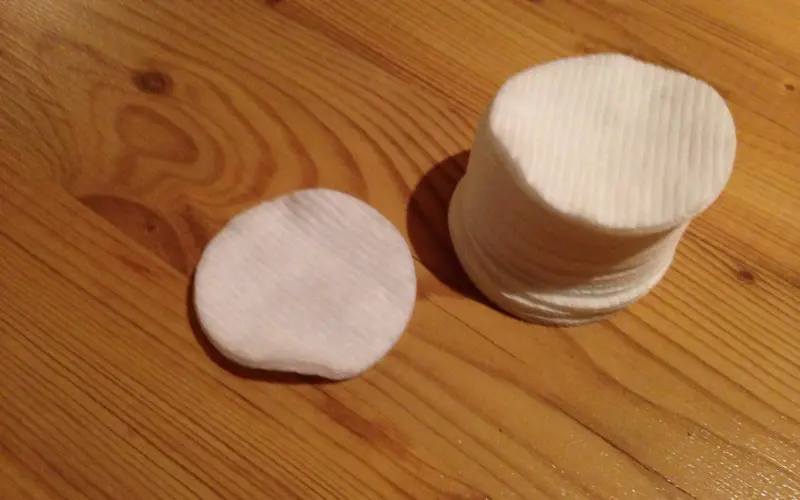
A cotton pad ends up in the trash after ten seconds. If you remove your makeup every evening, you can easily go through 700 of them a year. Reusable makeup remover pads replace them. They go into the washing machine instead of the trash. The real decision comes down to the material: microfiber removes makeup more thoroughly and needs less cleanser, while pads made of bamboo and cotton contain no plastic. Our mid-range pick is the GLOV glove; to get started, two microfiber pads such as the MakeUp Radierer, which we tested ourselves, are enough.
Microfiber or natural fiber?
Microfiber pads are made of very fine synthetic fibers, usually polyester, often blended with polyamide. The fibers absorb oil and color pigments, which is why many manufacturers claim that warm water is all you need. That is only partly true. Waterproof mascara and long-wear foundation usually call for soap or a mild cleanser as well. The downside: when synthetic fibers are washed, fine particles come loose. The Umweltbundesamt, Germany’s federal environment agency, estimates the amount of microparticles released from clothing in Germany each year at 80 to 400 metric tons. A few makeup remover pads make up a tiny share of that, but anyone who wants to avoid plastic consistently should know about it.
And natural fibers? Pads made of bamboo viscose and cotton feel softer and absorb water well, but they remove makeup less effectively. That is why they almost always work together with micellar water, cleansing milk or oil. The German consumer magazine ÖKO-TEST examined makeup remover pads in 2021: at picking up makeup, the reusable pads performed worse than cotton pads, and only about half convinced in terms of cleansing power. With most of them, makeup stains also remained visible after washing. With reusable pads, more thoroughness therefore costs one or two extra wipes.
How to recognize good reusable pads
- Two different sides: a fine one for the eyes, a coarser one for the face and the final cleanse.
- A finger pocket or loop so the pad does not slip.
- Clear care instructions. 40 to 60 °C is common; fabric softener makes the fibers clump.
- Enough pads to rotate. Many manufacturers advise washing a pad after every use.
- A laundry bag in the set so the small pads do not disappear in the machine.
Four reusable pads compared
We assigned the classes based on the price of one pack: entry level up to about ten euros, mid-range up to about twenty euros, premium above that (as of November 2026).
Entry level: Der original MakeUp Radierer
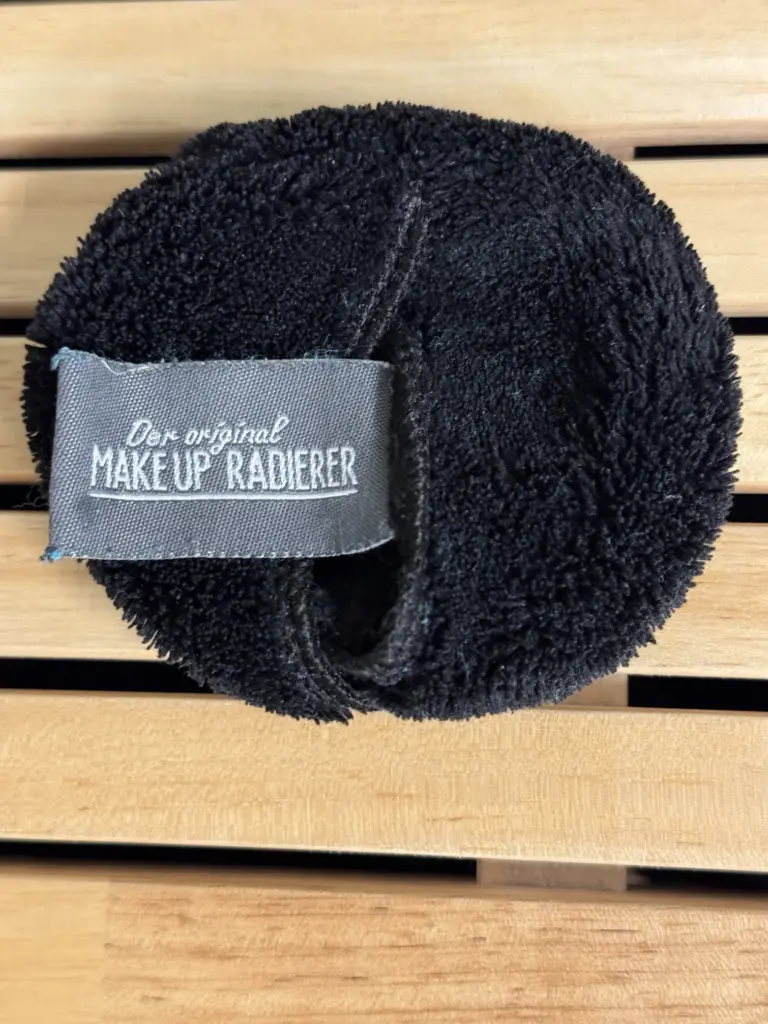
Our pick in the entry-level class, and the only pad in this selection that we have tested ourselves in everyday use. Slightly damp, the finer side removes eye makeup, and the coarser side takes off the last residue and flakes of skin after washing the face. Almost all waterproof makeup came off with it, but together with soap, not with water alone. The pad is made of pure polyester, is washed at 40 °C and must not go in the dryer. The manufacturer, Celina Blush, is based in Isernhagen in the German state of Lower Saxony; production takes place in China. The name means “the original makeup eraser” in German. All the details are in our review of the MakeUp Radierer.
A low-cost alternative is available at dm, the German drugstore chain: its in-house brand ebelin sells microfiber makeup remover pads in a pack of two, one round and one teardrop-shaped pad, each with two different fiber sides. They are sold only at dm, online and in stores.
Entry level without plastic: Bambaw
The Belgian company Bambaw sells 16 pads made of bamboo viscose and cotton, with a laundry bag. According to the listing, they are machine washed at 40 °C and last more than 100 washes; a certification to OEKO-TEX Standard 100 is also mentioned. To remove makeup, these pads need a cleansing product. Always. In return, sixteen pads are enough for two weeks without a laundry day. The material information in the listing is not entirely consistent; in one place, a small share of polyester is mentioned.
Mid-range: GLOV On-The-Go
Our mid-range pick. GLOV, from Poland, relies on a small glove instead of a pad. You slip two fingers inside, dampen it and wipe off the makeup. According to the seller, the fibers are made of polyester and polyamide and can be used for up to three months with daily use. According to the retailer, the glove is washed out with soap after use and left to air dry. It is practical when traveling. One is enough. If you remove makeup every day and do not want to hand-wash every evening, several pads will serve you better.
Premium: Face Halo Original
Face Halo, from Australia, is one of the better-known brands of microfiber pads. The Original set contains three pads, according to the seller made of fine polyester fibers, machine washable and designed for up to 200 washes. Fabric softener should be left out. Measured by the price per pad, Face Halo is the most expensive option in this comparison. By a clear margin. The extra cost makes sense for anyone who knows for sure that they will stick with microfiber and wants pads with a long service life.
How we would decide
- You want to try microfiber first: two MakeUp Radierer pads or the ebelin pads from dm.
- You want no plastic on your skin or in the wastewater: Bambaw pads with micellar water or cleansing milk.
- You travel a lot: the GLOV glove, because one is enough.
- You are sticking with microfiber for good and want to buy replacements less often: the Face Halo set, rated for up to 200 washes according to the seller.
Care: how to make the pads last longer
After removing makeup, briefly wash out the pad with soap and let it air dry, not on a radiator. The pads are best put in the machine in a small laundry bag so they do not get lost, at the temperature on the label and without fabric softener. ÖKO-TEST considers 30 or 40 °C sufficient in most cases. The Umweltbundesamt generally advises washing textiles as often as necessary but as rarely as possible; a full drum is better than a separate wash just for the pads. Makeup residue discolors light-colored pads over time. On black pads, such stains are less noticeable.
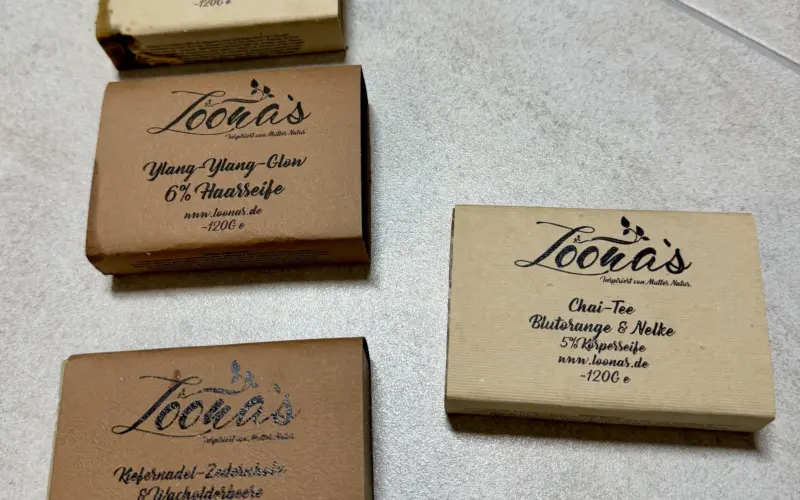
What goes on your face after removing makeup depends on your skin type. Our facial cleanser guide compares gel, foam, balm and micellar water. If you are looking for a solid soap for face and body, you will find our experience in the review of Loona’s hair and body soaps.
Frequently asked questions
Which material is better for makeup remover pads, microfiber or cotton?
Polyester microfiber removes makeup more thoroughly and needs less cleanser, but sheds fine synthetic fibers in the wash. Bamboo and cotton pads are plastic-free and soft, but need micellar water, cleansing milk or oil.
Do microfiber pads remove makeup with water alone?
Many manufacturers claim so. Waterproof mascara and long-wear foundation usually also call for soap or a mild cleanser. In the MakeUp Radierer review, almost all waterproof makeup only came off together with soap.
At what temperature do you wash reusable makeup remover pads?
As stated on the label, usually 40 to 60 °C, without fabric softener. The German consumer magazine ÖKO-TEST considers 30 or 40 °C sufficient in most cases and recommends a small laundry bag so the pads do not get lost.
How many reusable makeup remover pads do you need?
If you remove makeup every day and wash the pads after each use, you need as many pads as there are days until the next wash. With microfiber, two to four are often enough; bamboo pads commonly come in sets of 16.
Are reusable makeup remover pads more eco-friendly than cotton pads?
They save a lot of disposable pads. However, polyester microfiber pads release microplastics into wastewater when washed. If you want to avoid that, choose pads made of bamboo viscose or cotton and wash them with a full drum.
Sources
- Der Original MakeUp Radierer: makeup remover pads, black (material, use, care; in German)
- Umweltbundesamt (German Environment Agency): Consuming clothing consciously and sustainably (microplastics from synthetic fibers; in German)
- ÖKO-TEST: Washable makeup remover pads, pros and cons (in German)
- dm: ebelin microfiber makeup remover pads (German drugstore chain; in German)
Where to buy
- Face Halo OriginalCheck price at Amazon.deCheck price at Amazon.co.ukCheck price at Amazon.nlCheck price at Amazon.com.beCheck price at Amazon.frCheck price at Amazon.itCheck price at Amazon.esCheck price at Amazon.plCheck price at Amazon.seAvailable in Germany: Amazon.de
- GLOV On-The-GoCheck price at Amazon.deCheck price at Amazon.co.ukCheck price at Amazon.nlCheck price at Amazon.com.beCheck price at Amazon.frCheck price at Amazon.itCheck price at Amazon.esCheck price at Amazon.plCheck price at Amazon.seAvailable in Germany: Amazon.de
- Der original MakeUp Radierer Pad SchwarzCheck price at Amazon.deCheck price at Amazon.co.ukCheck price at Amazon.nlCheck price at Amazon.com.beCheck price at Amazon.frCheck price at Amazon.itCheck price at Amazon.esCheck price at Amazon.plCheck price at Amazon.seAvailable in Germany: Amazon.de
- Bambaw AbschminkpadsCheck price at Amazon.deCheck price at Amazon.co.ukCheck price at Amazon.nlCheck price at Amazon.com.beCheck price at Amazon.frCheck price at Amazon.itCheck price at Amazon.esCheck price at Amazon.plCheck price at Amazon.seAvailable in Germany: Amazon.de
Still undecided?
Keep comparing at your own pace – every article in this category is checked monthly for new and discontinued models.