Contents14 sections
This guide was first published in German on handgetestet.de.
Many people buy their first proper tennis racket too heavy, because their coach or a pro on TV plays one like it. Our view on this is simple. If you play at a club twice a week, you will get further with 280 to 290 grams and a 100 head than with a tournament frame, and that is exactly why the Wilson Clash 100L V3 is our top pick. Three hundred grams are not a status symbol. They demand clean technique and an arm that can keep up over two sets.
Which head size do I really need?
100 square inches equals about 645 square centimeters, and that is the middle of the market today. Smaller heads around 98 square inches are less forgiving but reward players who reliably hit the ball in the center of the strings. Larger heads from about 105 square inches enlarge the hitting area and free up more pace, but cost control as soon as you swing through powerfully yourself.
Our rule of thumb: start at 100. Only if you noticeably often hit the frame in practice should you go for more area.
How heavy can the racket be?
Manufacturers almost always state the weight without strings. Stringing, grip tape and a dampener add a good 15 to 20 grams. For the Clash 100 V3, for example, Wilson lists 293 to 295 grams unstrung and 309 to 310 grams strung. A light frame gets into position faster and is less tiring. A heavy one stays steadier at the point of contact when hard-hit balls come at you.
Roughly sorted: below 270 grams are frames for occasional players and people with little forearm strength. Between 270 and 290 grams is where the broad mass of recreational and team players play. From 300 grams, it gets sporty. Then there is balance: head-heavy frames push the ball forward with little swing, while head-light ones can be turned faster at the net.
Stringing and string pattern: what do you actually notice?
Quite a lot. Almost all rackets in this comparison have a 16×19 string pattern, meaning 16 main strings and 19 cross strings. This fairly open pattern lets the ball sink a little deeper into the string bed and makes spin easier.
Tension plays a part too. Babolat recommends 21 to 25 kilograms for the Pure Drive+ Gen11 and 20 to 24 for the lighter Team version; Yonex advises roughly 20 to 27 kilograms (converted) for the EZONE 100. Lower values give more pace and feel softer; higher values bring control. Many mid-range and high-end frames are sold unstrung; stringing at a specialist shop then comes on top and should be part of your budget. If you play rarely, a synthetic string works well. Hard polyester strings last longer but are the less comfortable choice for sensitive arms.
Which grip size fits my hand?
In Germany, the sizes are called L1 to L5; in the US, the circumference is given in inches. L1 corresponds to 4 1/8 inches, L2 to 4 1/4, L3 to 4 3/8 and so on in eighth-inch steps. So two sizes differ by a good three millimeters in circumference. A simple test in the store: hold the racket in a forehand grip and check whether there is still room for an index finger between your fingertips and the ball of your thumb.
When in doubt, go smaller. An overgrip makes the handle thicker, but it never gets thinner.
Does a soft racket help against tennis elbow?
Honestly, that is not clearly established. The health portal of IQWiG (the German Institute for Quality and Efficiency in Health Care) does name tennis as a possible trigger, but points out that in most cases other strains are behind it, such as manual trades, heavy lifting or computer work. According to this source, about 2 percent of the population have tennis elbow, mostly between the ages of 40 and 60; about 80 percent are pain-free again within a year. The portal says nothing about choosing a racket.
Dampening systems and flexible frames are advertised by manufacturers as easy on the arm. Those are manufacturer claims, not medical findings. If your elbow hurts for more than a few days after playing, that is a matter for your family doctor, not your shopping cart.
Five current rackets side by side
Head Ti.S6: is the old classic still any good?
If you want to hit a few balls on vacation or with the kids, you can live with it well. The frame is sold strung, has a very large head and, at about 70.5 centimeters, is longer than usual. The head-heavy balance helps with short swings. In our assessment, though, anyone who takes lessons and gets ambitious will outgrow it within a season, because the ball is hard to control with a full swing.
Wilson Clash 100L V3: why is a lightweight at the top?
Because it fits what most club players actually do. At 280 grams unstrung, it is noticeably lighter than the regular Clash, and Wilson explicitly markets the Clash line on flexibility and comfort. Against hard-hitting baseliners, it lacks a little mass. In return, it stays easy to handle even in the third set.
Tecnifibre TF-X1 V2 285: what does the dampening in the handle do?
Tecnifibre builds a small, movably mounted steel mass into the butt of the handle that is meant to absorb vibrations; the manufacturer speaks of 36 percent less. Whether you feel that in your arm is individual. The other figures are unremarkable and mid-range: 100 head, 285 grams, standard length. Not every grip size is always available on Amazon.
Wilson Clash 100 V3: when is the heavier sibling worth it?
As soon as you swing through long and fast and the light racket flutters against hard balls. Wilson specifies 293 to 295 grams and a balance of 31 centimeters, so slightly head-light. The feel stays true to the Clash line, but the frame is steadier. For beginners, it would already be too much for us.
Yonex EZONE 100: who are 300 grams right for?
For players who generate pace themselves. Yonex lists 300 grams, 32 centimeters balance and 68.6 centimeters length and describes the frame as a racket for all-court players with plenty of power and comfort. If you are still working on your technique, you give away a lot here, because the frame is less forgiving of late hits than the lighter models.
And Babolat?
The Pure Drive is now in its eleventh generation. Babolat puts the standard model at 300 grams, 100 square inches, 16×19 and a stiffness of 72 RA, and the Team version at 285 grams. That is a rather stiff frame. On Amazon, at the time of writing we mainly found older generations and junior models, which is why it is not in the table. If you want it, ask specifically for Gen11 at a specialist retailer.
So which racket suits whom?
- Only on court now and then, hardly any practice: Head Ti.S6.
- Club, team, twice a week: Wilson Clash 100L V3, or alternatively the Tecnifibre TF-X1 V2 285 if your arm is sensitive.
- Powerful swing, several years of experience: Wilson Clash 100 V3 or Yonex EZONE 100.
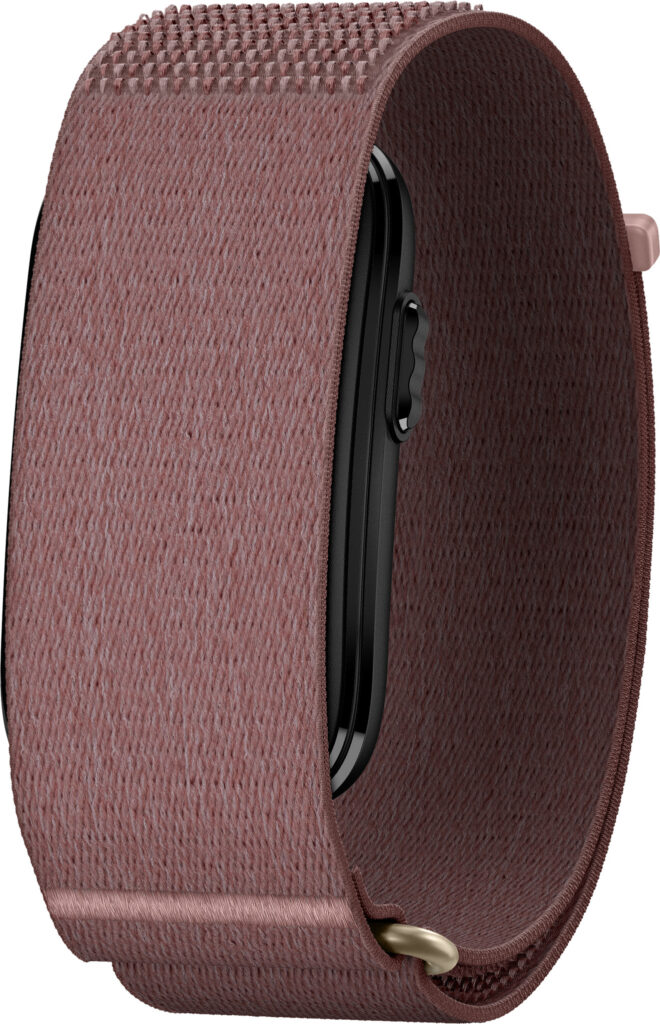
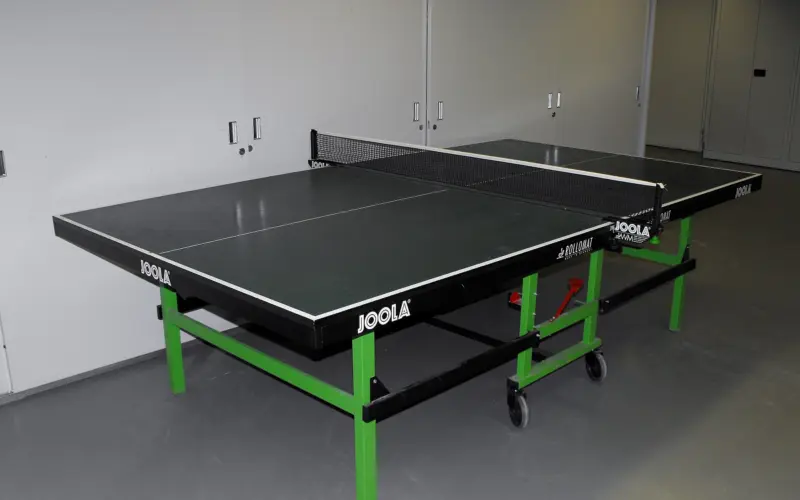
Watches and bands record heart rate and playing time; more on that in our comparison of fitness trackers (in German). And if the indoor court is too expensive in winter: a table tennis table for the garden or basement keeps your reflexes sharp.
Frequently asked questions
Which head size suits recreational tennis players?
100 square inches, about 645 square centimeters, is the middle of the market and a good starting point. Smaller heads around 98 square inches are less forgiving; larger ones from about 105 enlarge the hitting area but cost control with a powerful swing. More area pays off if you noticeably often hit the frame in practice.
How heavy should a tennis racket be?
Below 270 grams are frames for occasional players and people with little forearm strength; between 270 and 290 grams is where the broad mass of recreational and team players play. From 300 grams, it gets sporty. The manufacturer's figure usually applies without strings; stringing and grip tape add a good 15 to 20 grams.
Which grip size fits my hand?
In Germany, the sizes are called L1 to L5, and two sizes differ by a good three millimeters in circumference. In the store, hold the racket in a forehand grip: there should still be room for an index finger between your fingertips and the ball of your thumb. When in doubt, choose the smaller size, because an overgrip makes the handle thicker, but it never gets thinner.
Does a soft racket help against tennis elbow?
That is not clearly established. According to IQWiG (the German Institute for Quality and Efficiency in Health Care), tennis elbow is usually caused by other strains such as manual trades, heavy lifting or computer work. Dampening systems and flexible frames are advertised as easy on the arm, but those are manufacturer claims. If your elbow hurts for more than a few days, see your family doctor.
What string tension makes sense?
Babolat recommends 21 to 25 kilograms for the Pure Drive+ Gen11, and Yonex roughly 20 to 27 (converted) for the EZONE 100. Lower values give more pace and feel softer; higher values bring control. If you play rarely, a synthetic string works well; hard polyester strings are less comfortable for sensitive arms.
Is the Head Ti.S6 good enough to start with?
For vacations or hitting a few balls with the kids, it is usable: strung, very large head, head-heavy and, at about 70.5 centimeters, longer than usual. In our assessment, though, anyone who takes lessons and gets ambitious will outgrow it within a season, because the ball is hard to control with a full swing.
Sources
- Babolat: Pure Drive Gen11, technical specifications
- Babolat: Pure Drive Team Gen11, technical specifications
- Yonex: EZONE 100
- Wilson: Clash 100 V3
- Wilson: Clash 100L V3
- Tecnifibre: TF-X1 V2 285
- gesundheitsinformation.de (IQWiG): Tennis elbow and golfer’s elbow
Where to buy
- Wilson Clash 100L V3 (unbesaitet, Griffstärke wählbar)Check price at Amazon.deCheck price at Amazon.co.ukCheck price at Amazon.nlCheck price at Amazon.com.beCheck price at Amazon.frCheck price at Amazon.itCheck price at Amazon.esCheck price at Amazon.plCheck price at Amazon.seAvailable in Germany: Amazon.de
- Head Ti.S6Check price at Amazon.deCheck price at Amazon.co.ukCheck price at Amazon.nlCheck price at Amazon.com.beCheck price at Amazon.frCheck price at Amazon.itCheck price at Amazon.esCheck price at Amazon.plCheck price at Amazon.seAvailable in Germany: Amazon.de
- Tecnifibre TF-X1 V2 285Check price at Amazon.deCheck price at Amazon.co.ukCheck price at Amazon.nlCheck price at Amazon.com.beCheck price at Amazon.frCheck price at Amazon.itCheck price at Amazon.esCheck price at Amazon.plCheck price at Amazon.seAvailable in Germany: Amazon.de
- Wilson Clash 100 V3Check price at Amazon.deCheck price at Amazon.co.ukCheck price at Amazon.nlCheck price at Amazon.com.beCheck price at Amazon.frCheck price at Amazon.itCheck price at Amazon.esCheck price at Amazon.plCheck price at Amazon.seAvailable in Germany: Amazon.de
- Yonex EZONE 100 (2025)Check price at Amazon.deCheck price at Amazon.co.ukCheck price at Amazon.nlCheck price at Amazon.com.beCheck price at Amazon.frCheck price at Amazon.itCheck price at Amazon.esCheck price at Amazon.plCheck price at Amazon.seAvailable in Germany: Amazon.de
Still undecided?
Keep comparing at your own pace – every article in this category is checked monthly for new and discontinued models.