Contents13 sections
This guide was first published in German on handgetestet.de.
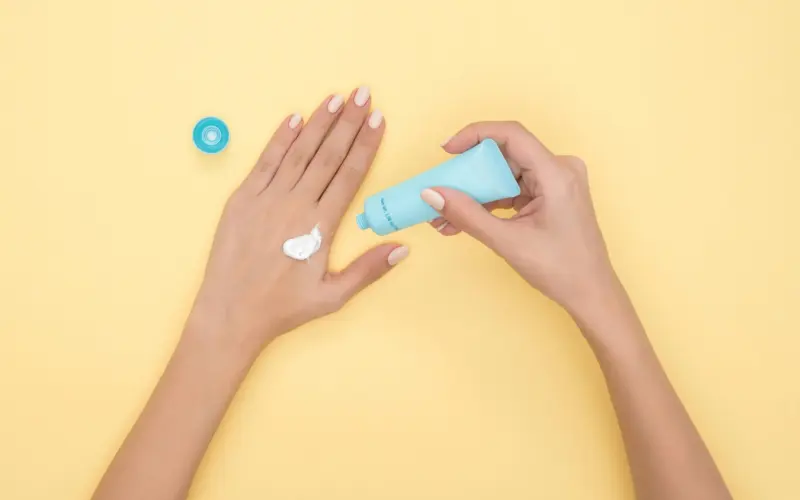
With foot cream, the percentage decides, not the brand. For everyday dry feet, a cream with about 10 percent urea, applied morning and evening, is enough in most cases. The high-strength ointments with 15 or 25 percent, on the other hand, belong specifically on thick calluses and rough heels, and only for a limited time.
In winter, in thick socks and closed shoes, cracked heels often only get noticed once they feel tight. Then it is tempting to reach for the strongest tube on the shelf. No need.
Step one: How much urea do your feet need?
5 to 10 percent is considered care for dry feet. The diabetes information portal diabinfo names exactly this range for creams and foams. From about 15 percent, manufacturers such as Allpresan describe a callus-softening effect. That is a different purpose.
And a question of duration. Eucerin recommends its 10 percent foot cream for daily use and higher concentrations only for a limited time. For its own callus cream, Gehwol states that it should only be applied to intact skin.
Step two: Foam, cream or balm?
According to manufacturers, foam absorbs quickly, while ointment and balm stay on the surface longer. If you step straight into socks in the morning, you will notice the difference. As for scent: fragrance-free care is the gentler choice for sensitive skin, and the ingredient list is more reliable than any advertising line.
Nourishing masks in socks do not replace cream. They are an occasional treatment. Peeling masks with fruit acids are something else, even if the packaging looks similar.
Step three, if you have diabetes: stricter rules
The guideline of the International Working Group on the Diabetic Foot (IWGDF), published in German by the AG Fuß (foot working group) of the Deutsche Diabetes Gesellschaft (German Diabetes Society), advises people with diabetes to use products containing urea for dry skin, but not between the toes. Corns and calluses should not be removed with chemical agents or plasters but by qualified professionals. The washing water should stay below 37 degrees Celsius, and hot water bottles and heaters on the feet are off-limits. Especially in winter, this point is easily overlooked.
For us, that means: callus peeling masks and high-strength crack ointments are not for self-treatment if you have diabetes. If you have diabetes, check your foot care with a doctor or podiatrist first. The fact that several manufacturers describe their creams as „suitable for diabetics“ is a manufacturer’s claim and does not replace this step.
Seven foot care products compared
Eucerin UreaRepair 10% Urea Fußcreme
The pharmacy brand combines 10 percent urea with ceramides and other natural moisturizing factors. According to the manufacturer, this foot cream (Fußcreme) protects against dryness for up to 48 hours and is suitable for foot care if you have diabetes. The concentration lies within the range named by diabinfo. Retailers list it as fragrance-free; the ingredient list on the tube settles that for sure. For extremely dry heels, Eucerin refers to its cream with 30 percent urea, and only for a limited time.
Gehwol med Lipidro Creme
Gehwol sells its care products through pharmacies and foot care practices. According to the manufacturer’s ingredient list, it contains urea, avocado and sea buckthorn oil and allantoin, but no fragrance. According to retailer information, the urea content is 10 percent. According to the manufacturer, it is vegan and also suitable for diabetics. Besides tubes from 40 to 125 ml, there is a 500 ml tub. That one is better suited to households where several people use it.
Allpresan No. 4 Schaumcreme Hornhaut & Schrunden
According to Allpresan, this foam cream for calluses and cracks, with 15 percent urea, is designed for hardened skin, cracks and fissures. The manufacturer recommends two applications a day and stresses that the foam is not greasy. For thick calluses on the balls of the feet and the heels, it is a sensible step up from the everyday cream. Normal dry feet do not need that much active ingredient.
Scholl Schrundensalbe Active Repair K+
25 percent urea plus keratin, in a small 60 ml tube: this crack ointment (Schrundensalbe) is a tool for the heel, not care for the whole foot. According to retailer information, it is intended for rough, dry and cracked heels and does not belong on open, bleeding or inflamed cracks. We would use it specifically and only until the heel is smooth again, then go back to the 10 percent cream. If you have diabetes, check with a doctor first.
Neutrogena Norwegische Formel Intense Repair CICA Fußbalsam
Here Neutrogena does not rely on urea; according to retailer information, this foot balm from the Norwegische Formel (Norwegian Formula) line uses 40 percent glycerin and Centella asiatica instead. So it is an alternative if you do not like urea on your skin. At 50 ml, the tube is small, but for the heels it still lasts a while.
L’Occitane Sheabutter Fußcreme
According to L’Occitane, the cream contains 15 percent shea butter, along with glycerin and lavender essential oil. There is no urea, but it does have a scent. If you want to treat yourself in the evening, this is the right choice. It is not made for thick calluses. In the same shea butter line, the manufacturer also offers a richer foot balm.
Scholl ExpertCare Fußmaske 0 % Parfum
The mask comes in single-use socks and, according to retailer information, contains urea, coconut oil and shea butter, with no added fragrance; it is not washed off. As a weekend treatment for dry feet, that is convenient. As a permanent solution, it does not work. One pair of socks is enough for one application, a tube of cream lasts for weeks.
At the end of the road: our recommendations
- Dry feet, no particular problems: Eucerin UreaRepair 10% or Gehwol med Lipidro, twice a day.
- Thick calluses, beginning cracks: Allpresan No. 4 for a few weeks, then back to the 10 percent cream.
- Cracked heels: Scholl Schrundensalbe applied specifically to the heel. If areas are open or inflamed, have them checked by a doctor.
- No urea wanted: Neutrogena CICA Fußbalsam.
- Care as a ritual: L’Occitane Sheabutter or, occasionally, the Scholl mask.
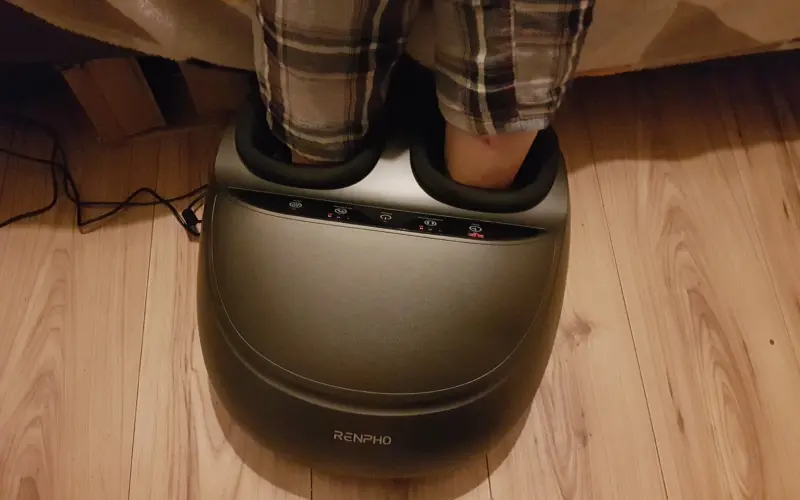
- Diabetes: 5 to 10 percent urea, not between the toes, calluses to the podiatrist. If you also want to relax your feet and calves, take a look at the overview of foot massagers; if you have diabetes, check that with a doctor first as well.
Cracked hands in winter have similar causes; the right creams are in the hand cream guide. For the rest of the body, the body lotion guide helps.
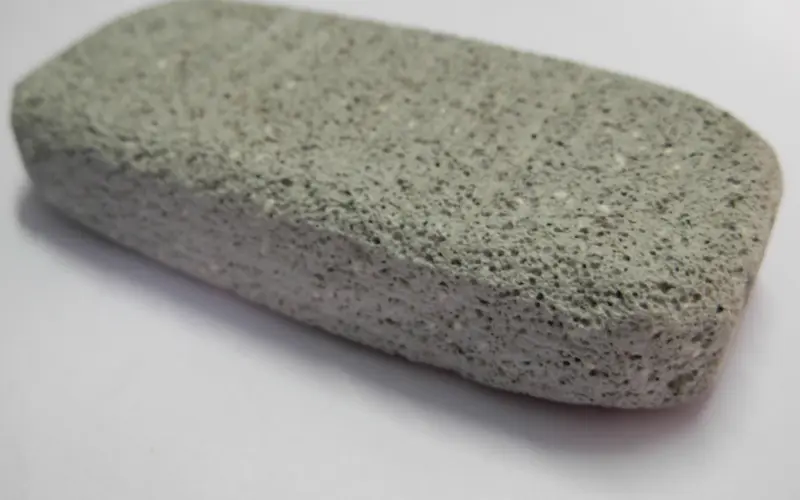
Before the cream can soak in, the calluses often have to come off first; the guide to callus removers compares five electric devices, including notes for diabetics.
Frequently asked questions
What percentage of urea does a foot cream need?
5 to 10 percent is considered care for dry feet; this is also the range named by the diabinfo portal. From about 15 percent, manufacturers such as Allpresan describe a callus-softening effect. Eucerin recommends its 10 percent cream for daily use and higher concentrations only for a limited time.
What helps with cracked heels?
The Scholl Schrundensalbe Active Repair K+ with 25 percent urea is intended for rough, cracked heels, applied specifically to the heel and only until it is smooth again. Then go back to the 10 percent cream. Have open, bleeding or inflamed cracks checked by a doctor.
Which foot cream if you have diabetes?
The German version of the IWGDF guideline recommends products containing urea for dry skin, but not between the toes. Calluses and corns should be handled by qualified professionals. High-strength crack ointments and peeling masks are not for self-treatment if you have diabetes; check your foot care with a doctor or podiatrist first.
Is there a foot cream without urea?
According to retailer information, the Neutrogena Norwegische Formel Intense Repair CICA Fußbalsam relies on 40 percent glycerin and Centella asiatica. The L'Occitane Sheabutter Fußcreme contains 15 percent shea butter and lavender oil; it is more of a feel-good treat than a remedy for thick calluses.
Foam, cream or balm for your feet?
According to manufacturers, foam absorbs quickly, while ointment and balm stay on the surface longer. If you step straight into socks in the morning, you will notice the difference. For sensitive skin, fragrance-free care is the gentler choice, and the ingredient list is what you can rely on.
Does a foot mask in socks replace cream?
No, nourishing mask socks such as the Scholl ExpertCare Fußmaske are an occasional treatment. One pair is enough for one application, a tube of cream lasts for weeks. Peeling masks with fruit acids are something else, even if the packaging looks similar.
Sources
- diabinfo (Helmholtz Munich, DDZ, DZD): Caring for your feet – foot care with diabetes
- AG Fuß of the German Diabetes Society: IWGDF guidelines, German version
- Eucerin: UreaRepair 10% Urea Fußcreme
- Gehwol: med Lipidro Creme
- Gehwol: med Hornhaut-Creme (directions for use)
- Allpresan: No. 4 Schaumcreme
- Allpresan: Calluses and cracks
Where to buy
- Eucerin UreaRepair 10% Urea FußcremeCheck price at Amazon.deCheck price at Amazon.co.ukCheck price at Amazon.nlCheck price at Amazon.com.beCheck price at Amazon.frCheck price at Amazon.itCheck price at Amazon.esCheck price at Amazon.plCheck price at Amazon.seAvailable in Germany: Amazon.de
- Gehwol med Lipidro CremeCheck price at Amazon.deCheck price at Amazon.co.ukCheck price at Amazon.nlCheck price at Amazon.com.beCheck price at Amazon.frCheck price at Amazon.itCheck price at Amazon.esCheck price at Amazon.plCheck price at Amazon.seAvailable in Germany: Amazon.de
- Allpresan No. 4 Schaumcreme Hornhaut & SchrundenCheck price at Amazon.deCheck price at Amazon.co.ukCheck price at Amazon.nlCheck price at Amazon.com.beCheck price at Amazon.frCheck price at Amazon.itCheck price at Amazon.esCheck price at Amazon.plCheck price at Amazon.seAvailable in Germany: Amazon.de
- Scholl Schrundensalbe Active Repair K+Check price at Amazon.deCheck price at Amazon.co.ukCheck price at Amazon.nlCheck price at Amazon.com.beCheck price at Amazon.frCheck price at Amazon.itCheck price at Amazon.esCheck price at Amazon.plCheck price at Amazon.seAvailable in Germany: Amazon.de
- Neutrogena Norwegische Formel Intense Repair CICA FußbalsamCheck price at Amazon.deCheck price at Amazon.co.ukCheck price at Amazon.nlCheck price at Amazon.com.beCheck price at Amazon.frCheck price at Amazon.itCheck price at Amazon.esCheck price at Amazon.plCheck price at Amazon.seAvailable in Germany: Amazon.de
- L'Occitane Sheabutter FußcremeCheck price at Amazon.deCheck price at Amazon.co.ukCheck price at Amazon.nlCheck price at Amazon.com.beCheck price at Amazon.frCheck price at Amazon.itCheck price at Amazon.esCheck price at Amazon.plCheck price at Amazon.seAvailable in Germany: Amazon.de
- Scholl ExpertCare Fußmaske 0 % ParfumCheck price at Amazon.deCheck price at Amazon.co.ukCheck price at Amazon.nlCheck price at Amazon.com.beCheck price at Amazon.frCheck price at Amazon.itCheck price at Amazon.esCheck price at Amazon.plCheck price at Amazon.seAvailable in Germany: Amazon.de
Still undecided?
Keep comparing at your own pace – every article in this category is checked monthly for new and discontinued models.