Contents13 sections
This guide was first published in German on handgetestet.de.
Wouldn’t the old file from the bathroom cabinet do just as well? Often, yes. An electric callus remover saves effort and time, and for that it needs three things: a roller that is easy to replace, a rechargeable battery instead of disposable batteries and a clear statement on whether it may go in water. The most well-rounded right now is the Beurer MP 59, because the manufacturer publishes its specifications openly and the device may be used wet or dry. If you only smooth your heels twice a year, you save with a battery-powered device from Scholl.
What actually sets the devices apart?
Technically, almost all models are similar. A small motor turns a roller covered with abrasive grit, sometimes minerals, sometimes diamond particles. The differences are in the details, and that is exactly where it is decided whether a device is still being used after six months or lies around unused.
- The roller: coarse for thick spots on the heel, fine for finishing. Beurer includes both with the MP 59; Scholl sells the grits separately, from fine to ultra strong.
- The power source: a rechargeable battery with a charging station is more convenient than two or four AA batteries, which noticeably lose power as they run down.
- Water resistance: only devices that the manufacturer explicitly approves for the shower or bathtub belong there.
- The speed settings: two speeds are common and sufficient.
More than two settings, LED light or a display sound good. For smooth heels, they are secondary.
Wet or dry: which makes more sense?
Both have their place. Callused skin removed dry comes off as fine dust, so it is best to work over a towel or on the bathroom floor, which you wipe afterward. In the shower, the debris is simply rinsed away, and softened skin can be worked more evenly. Wet skin is deceptive, though. What still looks thick under water has sometimes already been sanded thin.
More important than the method is moderation. In its care instructions, Beurer advises leaving a thin layer of callus as protection. The heel should feel smooth, not look pink. According to the Amazon listing, Scholl also says to hold the roller on one spot only briefly and not to press hard; some models stop by themselves if there is too much pressure.
Can I use the device if I have diabetes or a small wound?
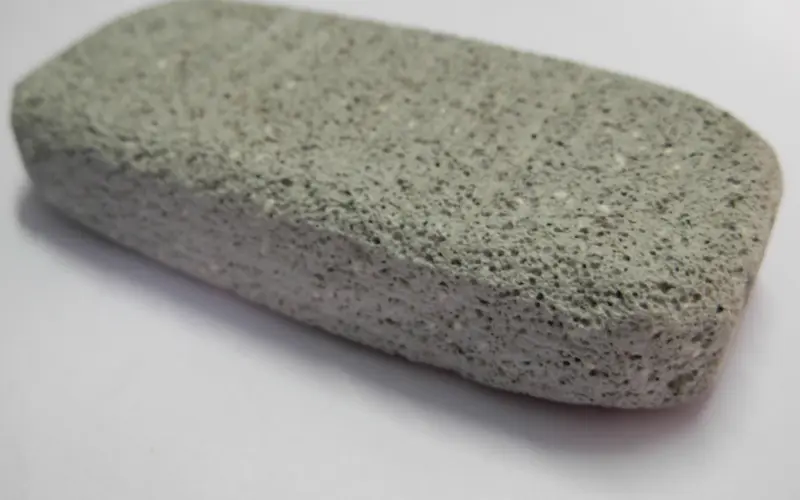
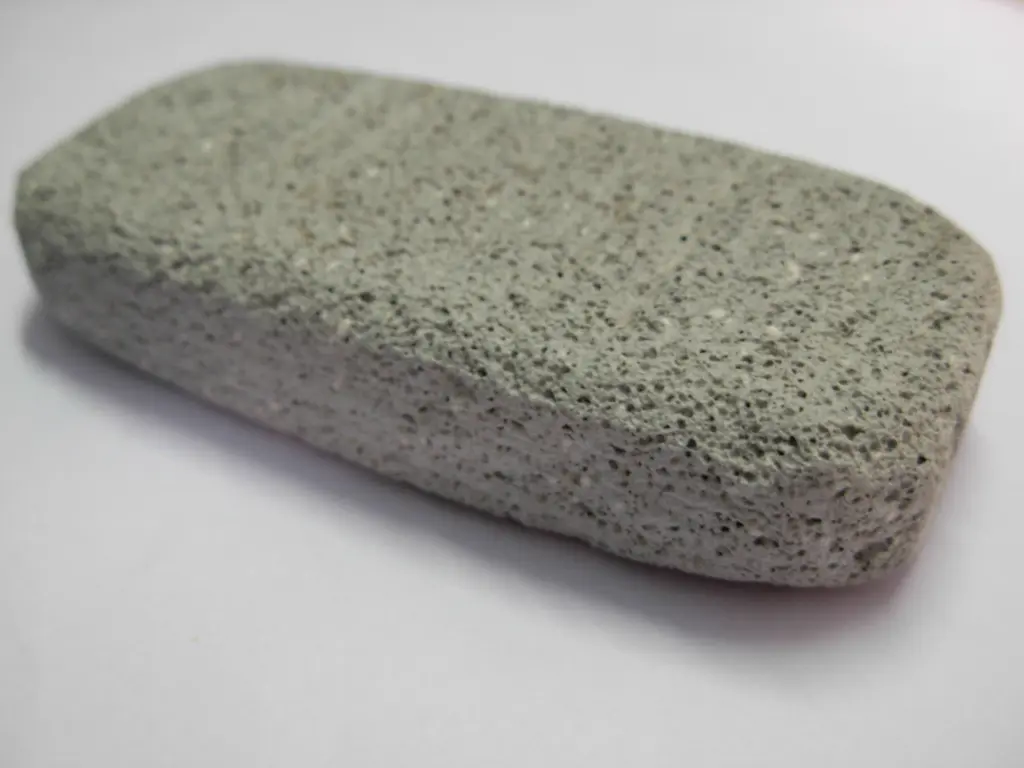
Here, a neutral source helps more than any packaging. The portal gesundheitsinformation.de, run by the German Institute for Quality and Efficiency in Health Care (IQWiG), recommends that people with diabetes remove calluses carefully with a pumice stone and check their feet daily if possible for pressure points, redness and injuries. The portal advises laypeople against blades, callus planes and rotary files, because the risk of injury and infection is too great. If there is an increased risk of chronic wounds, German statutory health insurance pays for medical foot care by a podiatrist.
The manufacturers see it differently. In the MP 59 data sheet, Beurer writes that the attachments are suitable for diabetics. Scholl, by contrast, according to the listing, rules out injured, irritated or sore skin as a matter of principle. Our position is clear: with diabetes, circulatory problems or numbness in the feet, talk to your family doctor or diabetologist first and, if in doubt, let a podiatrist take over. Open spots, cracks, warts and inflamed skin are off-limits for any device, no matter what the manufacturer promises.
Which models are currently worth considering?
| Model | Power | Wet or dry | Rollers and special features | For whom | Offer (affiliate link) |
|---|---|---|---|---|---|
| Beurer MP 59 | Lithium-ion battery, 180 minutes according to the manufacturer, charging station | both, including shower and bathtub | 2 rollers (coarse, fine), 2 speeds, power-on lock | regular care, ideally in the shower | Check price at Amazon.deCheck price at Amazon.co.ukCheck price at Amazon.nlCheck price at Amazon.com.beCheck price at Amazon.frCheck price at Amazon.itCheck price at Amazon.esCheck price at Amazon.plCheck price at Amazon.seAvailable in Germany: Amazon.de |
| Scholl Velvet Smooth Express Pedi | AA batteries | dry, according to the listing | extra strong roller, stops with too much pressure | occasional use, small budget | Check price at Amazon.deCheck price at Amazon.co.ukCheck price at Amazon.nlCheck price at Amazon.com.beCheck price at Amazon.frCheck price at Amazon.itCheck price at Amazon.esCheck price at Amazon.plCheck price at Amazon.seAvailable in Germany: Amazon.de |
| Scholl Velvet Smooth Pro Wet & Dry | Rechargeable battery with charging station | both, according to the retailer | 2 speeds, fits all Scholl rollers | anyone who already has Scholl rollers in the cabinet | Check price at Amazon.deCheck price at Amazon.co.ukCheck price at Amazon.nlCheck price at Amazon.com.beCheck price at Amazon.frCheck price at Amazon.itCheck price at Amazon.esCheck price at Amazon.plCheck price at Amazon.seAvailable in Germany: Amazon.de |
| Grundig Electric Pro callus remover | Rechargeable battery | both, according to the listing | 3 rollers, work light | poor lighting in the bathroom, wish for interchangeable rollers | |
| Grundig callus remover with 2,000 mAh battery | Rechargeable battery, over 150 minutes according to the listing | both, IPX7 according to the listing | dust filter, also runs while charging | households with several users and their own roller per person |
Beurer MP 59
According to Beurer, the MP 59’s battery lasts around 180 minutes, and charging takes about three hours. It charges via contacts in a small station, so there is no open charging port, which suits use in the shower and bathtub. The two asymmetrically shaped rollers are diamond-coated, and the narrow side also reaches the edge of the ball of the foot. We consider this the most thoughtfully designed overall package on the list. Beurer offers replacement rollers as a set.
Scholl Velvet Smooth Express Pedi
The classic. It runs on AA batteries, and the listings contradict each other on whether two or four are needed. According to the listing, it is designed for dry skin and must not go in water. Scholl recommends replacing the roller about every three months. For a few uses a year, the device is enough, but in the long run, batteries and rollers are the real cost.
Scholl Velvet Smooth Pro Wet & Dry
According to the retailer, the rechargeable version with a charging station is waterproof and intended for the bathtub, shower and dry use, with two speeds. It is interesting mainly because Scholl sells its Wet & Dry rollers in several grits almost everywhere, including drugstores. On Amazon, availability changes frequently, and sometimes only the set with replacement rollers is listed.
Grundig Electric Pro callus remover
According to the listing, the Pro model comes with three rollers and a work light and may even be held under running tap water. The light sounds like a gimmick. In a windowless bathroom, it actually helps you see rough spots.
Grundig callus remover with 2,000 mAh battery
According to the listing, the larger battery is said to last more than 150 minutes, charging takes around two hours, and the device also runs on the cable. A filter catches some of the dust. Buyers report, however, that the power was too weak for thick calluses and that the filter can fall out. More suited to care at short intervals.
And what about Emjoi and Bosch?
According to the manufacturer itself, the Emjoi Micro-Pedi is no longer carried, and the rechargeable version is also listed there as unavailable. On Amazon, mostly leftover stock from third-party sellers and many imitation replacement rollers show up. We would no longer buy it. A current electric callus device from Bosch cannot be found in German retail.
How often does the roller need to be replaced, and how does everything stay clean?
Rollers wear out, and the abrasive grit becomes dull. Scholl gives three months as a guideline, sooner with frequent use. After each use, tap out the dust or, if the device is waterproof, rinse the roller and let it dry. If you share the device in the family, each person should have their own roller. Callused skin is dead skin, but athlete’s foot does not stop at a shared roller. Afterward, your feet need care. Which creams with urea are suitable, we compare under foot creams (in German). For people with diabetes, gesundheitsinformation.de names preparations with 5 to 10 percent urea.
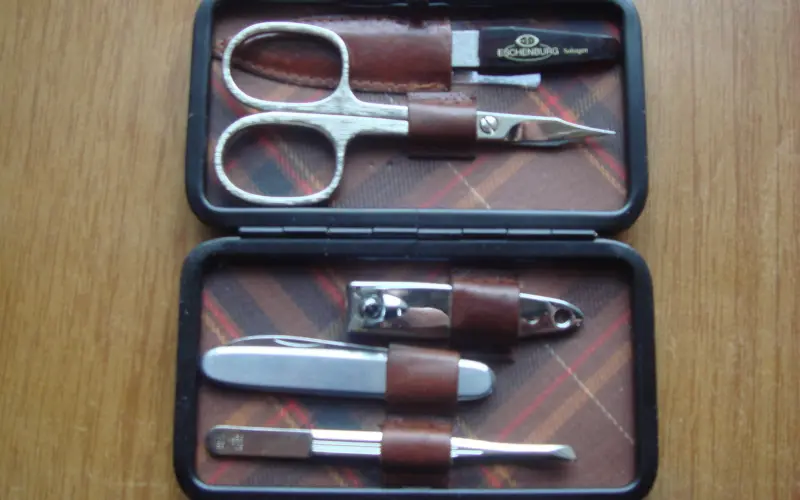
Nails and cuticles are a separate topic. Sets with several attachments are better suited for that; more on this under manicure sets (in German).
Which device suits me?
- You care for your feet every week and preferably in the shower: Beurer MP 59.
- A few times a year, dry, for little money: Scholl Velvet Smooth Express Pedi.
- You already have Scholl rollers in the cabinet: the Pro version with a rechargeable battery.
- Your bathroom is dark, and you want three grits: Grundig Electric Pro.
- Diabetes or poor circulation: seek medical advice first, then rather a pumice stone or podiatry.
Frequently asked questions
Remove calluses electrically wet or dry?
Both have their place. Dry, the callused skin comes off as fine dust, so work over a towel. In the shower, the debris is rinsed away, and softened skin can be worked more evenly. Wet skin is deceptive, though: what looks thick has sometimes already been sanded thin. Only devices approved for it belong in water.
How much callused skin should you remove?
Not all of it. Beurer advises leaving a thin layer of callus as protection. The heel should feel smooth, not look pink. Hold the roller on one spot only briefly and do not press hard; some models stop by themselves if there is too much pressure.
Can I use an electric callus remover if I have diabetes?
Talk to your family doctor or diabetologist first. Gesundheitsinformation.de recommends a pumice stone for people with diabetes and advises laypeople against blades, planes and rotary files. If there is an increased risk of chronic wounds, German statutory health insurance pays for medical foot care. Open spots, cracks and inflamed skin are off-limits for any device.
How often does the roller need to be replaced?
Scholl gives three months as a guideline, sooner with frequent use, because the abrasive grit wears dull. After each use, tap out the dust or, with a waterproof device, rinse the roller and let it dry. In a family, each person should have their own roller.
Rechargeable or disposable batteries for a callus remover?
A rechargeable battery with a charging station is more convenient than two or four AA batteries, which noticeably lose power as they run down. According to the manufacturer, the Beurer MP 59 lasts around 180 minutes. With battery-powered devices such as the Scholl Express Pedi, batteries and rollers are the real cost in the long run.
Sources
- Beurer: MP 59 callus remover, product page
- Beurer: MP 59 data sheet
- Beurer: Manicure and pedicure, care instructions
- gesundheitsinformation.de: Diabetic foot, how to prevent wounds
- gesundheitsinformation.de: What to do about corns
- dm (German drugstore chain): Scholl Velvet Smooth Pro, retailer information
Where to buy
- Beurer MP 59Check price at Amazon.deCheck price at Amazon.co.ukCheck price at Amazon.nlCheck price at Amazon.com.beCheck price at Amazon.frCheck price at Amazon.itCheck price at Amazon.esCheck price at Amazon.plCheck price at Amazon.seAvailable in Germany: Amazon.de
- Scholl Velvet Smooth Express PediCheck price at Amazon.deCheck price at Amazon.co.ukCheck price at Amazon.nlCheck price at Amazon.com.beCheck price at Amazon.frCheck price at Amazon.itCheck price at Amazon.esCheck price at Amazon.plCheck price at Amazon.seAvailable in Germany: Amazon.de
- Scholl Velvet Smooth Pro Wet & DryCheck price at Amazon.deCheck price at Amazon.co.ukCheck price at Amazon.nlCheck price at Amazon.com.beCheck price at Amazon.frCheck price at Amazon.itCheck price at Amazon.esCheck price at Amazon.plCheck price at Amazon.seAvailable in Germany: Amazon.de
- Grundig Hornhautentferner Electric ProCheck price at Amazon.deCheck price at Amazon.co.ukCheck price at Amazon.nlCheck price at Amazon.com.beCheck price at Amazon.frCheck price at Amazon.itCheck price at Amazon.esCheck price at Amazon.plCheck price at Amazon.seAvailable in Germany: Amazon.de
- Grundig Hornhautentferner mit 2.000-mAh-AkkuCheck price at Amazon.deCheck price at Amazon.co.ukCheck price at Amazon.nlCheck price at Amazon.com.beCheck price at Amazon.frCheck price at Amazon.itCheck price at Amazon.esCheck price at Amazon.plCheck price at Amazon.seAvailable in Germany: Amazon.de
Still undecided?
Keep comparing at your own pace – every article in this category is checked monthly for new and discontinued models.