Contents11 sections
This guide was first published in German on handgetestet.de.
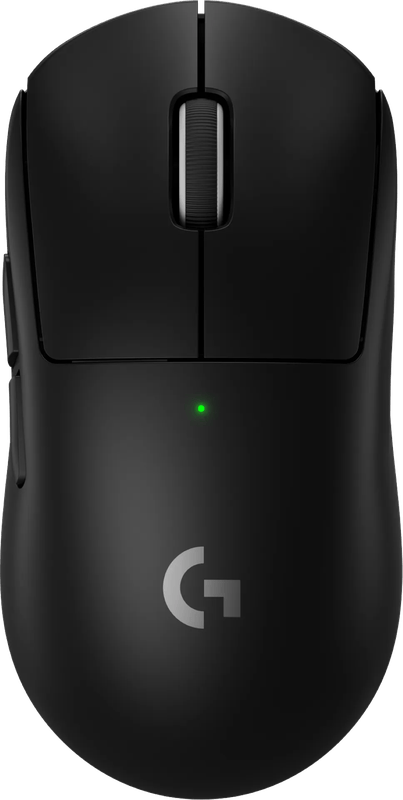
A gaming mouse can win on the spec sheet and lose the moment you grab it. A light, wireless mouse whose shape fits your hand does more for you than the one with the highest DPI figure. Our pick for most people: the Logitech G PRO X SUPERLIGHT 2. On a small budget, the Logitech G305 gets you a long way.
The reason is simple. The sensors in today’s high-end mice barely differ anymore, so shape, weight, battery and polling rate remain as the real differences.
Seven mice side by side
| Model | Weight according to the manufacturer | Shape and polling rate | Best for |
|---|---|---|---|
| Logitech G PRO X SUPERLIGHT 2 | 60 g | Symmetrical, up to 8,000 Hz | Most players, claw and palm |
| Razer Viper V4 Pro | 49 g (black) | Symmetrical, 8,000 Hz wired and wireless | Shooter players who notice every gram |
| Razer DeathAdder V4 Pro | 56 g (black) | Ergonomic, right-handed, up to 8,000 Hz | Palm grip, larger hands |
| ZOWIE EC2-DW | 60 g | Ergonomic, right-handed, up to 4,000 Hz | Anyone who wants to play without software |
| SteelSeries Aerox 3 Wireless Gen 2 | 68 g | Symmetrical, up to 4,000 Hz, Bluetooth | Players who also work on a laptop |
| Glorious Model O 2 PRO | 57 g | Symmetrical, 1,000 Hz | A light mouse on a smaller budget |
| Logitech G305 LIGHTSPEED | 99 g (with AA battery) | Symmetrical, 1,000 Hz | Beginners and casual players |
How to read the table
Shape comes first. If you rest your whole hand on the mouse (palm grip), a larger, ergonomically shaped right-handed mouse usually works better; if you guide it only with your fingertips and the heel of your hand (claw and fingertip grip), flat, symmetrical shapes are the more likely choice. And if you mainly work at your desk, vertical mice or trackballs serve you better; we cover those in our guide to the ergonomic mouse.
When it comes to weight, high-end mice today sit between about 50 and 60 grams. Lighter means faster movement. Players who aim slowly and precisely lose a bit of steadiness in the process.
All seven connect wirelessly via their own USB receiver, according to Logitech at 1 millisecond even on the affordable G305. Hardly anyone needs a cable for gaming anymore.
The polling rate costs power. 1,000 Hz means one report per millisecond, 8,000 Hz one every 0.125 milliseconds, and you pay for that with battery life, often many times over. For the DeathAdder V4 Pro, Razer states a maximum of 150 hours at 1,000 Hz, but only a maximum of 22 hours at 8,000 Hz. If you don’t play competitively, leave the mouse at 1,000 or 2,000 Hz and charge it far less often.
And the sensor? 26,000, 45,000 or 50,000 DPI are a race between packaging designs. In games, hardly anyone uses more than a few thousand.
Logitech G PRO X SUPERLIGHT 2
60 grams, a plain symmetrical shape and, according to Logitech, up to 95 hours of battery life. According to the manufacturer, the HERO 2 sensor resolves up to 44,000 DPI, and the wireless connection manages up to 8,000 Hz. It is not the lightest of the seven. Its shape is very forgiving, though, which is why we recommend it to anyone who doesn’t yet know their grip style exactly. Watch the names: besides the base model, there are DEX and SE versions with a different shape or a different receiver.
Razer Viper V4 Pro
In black, it weighs 49 grams, less than any other mouse here. Razer uses the third-generation Focus Pro 50K sensor, states 8,000 Hz both wireless and wired, and a maximum of 180 hours of battery life at 1,000 Hz; at 8,000 Hz, according to Razer, a maximum of 45 hours. Shooter players with a claw grip get a strong mouse with it. Laid-back players pay for headroom they will never use. Its predecessor, the Viper V3 Pro (54 grams, up to 95 hours), is still on sale and is an option if you can get it noticeably cheaper.
Razer DeathAdder V4 Pro
For years one of the best-known ergonomic right-handed mice. According to Razer, the V4 Pro weighs 56 grams in black, uses the Focus Pro 45K sensor and reaches up to 8,000 Hz. The 150 hours of battery life apply at 1,000 Hz and only after a firmware update; older packaging states 120 hours. Left-handers are out of luck.
ZOWIE EC2-DW
Plug it in, done. ZOWIE deliberately offers no driver software; according to the manufacturer, DPI and polling rate are set without any program. The EC2-DW is ergonomically shaped, weighs 60 grams according to BenQ and, with the included enhanced receiver, reaches up to 4,000 Hz. At 1,000 Hz, the battery lasts a maximum of 80 hours according to the manufacturer; at 4,000 Hz, only around 24 hours, less than with Razer and Logitech. If you avoid software anyway, you will accept that.
SteelSeries Aerox 3 Wireless Gen 2
Heavier than the tournament mice, at 68 grams. In return, it can do more: besides 2.4 GHz wireless at up to 4,000 Hz, SteelSeries lists Bluetooth, IP54 protection and a maximum of 120 hours of battery life over the wireless dongle, up to 200 hours over Bluetooth. The TrueMove 26K sensor is good enough for any game. It makes sense if you use the same mouse on a gaming laptop on the go and at your desk at home.
Glorious Model O 2 PRO
Light for less money. In the 1K version, it weighs 57 grams according to Glorious and uses the in-house BAMF 2.0 sensor with a maximum of 26,000 DPI; it stays at 1,000 Hz, which is enough for almost everyone. There is also a 4K/8K edition. On that one, according to Glorious, 8,000 Hz only works with a cable, and at 4,000 Hz only around 35 hours of battery life remain, according to the manufacturer. Some buyers report connection drops and double clicks, which is worth keeping in mind.
Logitech G305 LIGHTSPEED
Next to the others, it feels heavy at 99 grams including the AA battery. But it costs a fraction of the price, connects at 1,000 Hz and, according to Logitech, lasts up to 250 hours on a single AA battery. The HERO sensor manages up to 12,000 DPI. For casual players or a child’s first mouse, you simply don’t need more.
Which mouse for which hand?
If you are unsure about your grip style, go for the Logitech G PRO X SUPERLIGHT 2; its shape fits most hands. Competitive shooter players with a claw grip play with the Razer Viper V4 Pro, if the budget allows. If your whole hand rests on the mouse, the Razer DeathAdder V4 Pro is an option or, with no software at all, the ZOWIE EC2-DW.
Gaming and working with the same mouse? The SteelSeries Aerox 3 Wireless Gen 2 with Bluetooth. On a small budget, the Logitech G305 is enough; if you spend a little more and want something light, take a look at the Glorious Model O 2 PRO.
We would not base the decision on 8,000 Hz. At most, a very fast screen can benefit from it; more on that in our gaming monitor guide. If you are replanning the whole system at once, the article on the gaming PC shows the right computer.
Frequently asked questions
Which mouse shape suits which grip style?
If you rest your whole hand on the mouse, i.e. play with a palm grip, a larger, ergonomically shaped right-handed mouse such as the Razer DeathAdder V4 Pro usually works better. With claw and fingertip grips, where only the fingertips and the heel of the hand guide the mouse, flat, symmetrical shapes such as the Razer Viper V4 Pro are the better fit.
Does an 8,000 Hz polling rate offer an advantage?
Rarely. 8,000 Hz means one report every 0.125 milliseconds, but it costs a lot of battery life. For the DeathAdder V4 Pro, Razer states a maximum of 150 hours at 1,000 Hz, but only a maximum of 22 hours at 8,000 Hz. If you don't play competitively, leave the mouse at 1,000 or 2,000 Hz.
How much DPI does a gaming mouse need?
Less than the box promises. Figures like 26,000, 45,000 or 50,000 DPI are a race between packaging designs; in games, hardly anyone uses more than a few thousand. Since the sensors in today's high-end mice barely differ anymore, shape, weight, battery and polling rate are what decide.
How light should a gaming mouse be?
High-end mice today weigh between about 50 and 60 grams. Lighter means faster movement, but if you aim slowly and precisely, you lose a bit of steadiness. The Razer Viper V4 Pro weighs 49 grams in black; the Logitech G PRO X SUPERLIGHT 2 comes in at 60 grams.
Is there a gaming mouse that works without software?
The ZOWIE EC2-DW deliberately does without driver software; according to the manufacturer, DPI and polling rate are set without any program. It is ergonomically shaped, weighs 60 grams according to BenQ and reaches up to 4,000 Hz. At 4,000 Hz, the battery only lasts around 24 hours, less than with Razer and Logitech.
Which gaming mouse also works with a laptop on the go?
Besides 2.4 GHz wireless, the SteelSeries Aerox 3 Wireless Gen 2 also connects via Bluetooth and, according to SteelSeries, is protected to IP54. Over Bluetooth, the manufacturer states a maximum of 200 hours of battery life. At 68 grams, it is heavier than the tournament mice, but its sensor is good enough for any game.
Sources
- Logitech G: PRO X SUPERLIGHT 2
- Logitech G: G305 LIGHTSPEED
- Razer: Viper V4 Pro
- Razer: Viper V3 Pro
- Razer: DeathAdder V4 Pro
- ZOWIE: EC2-DW
- SteelSeries: Aerox 3 Wireless Gen 2
- Glorious: Model O 2 PRO
- Glorious: Model O 2 and Model O 2 PRO compared
Where to buy
- Logitech G PRO X SUPERLIGHT 2Check price at Amazon.deCheck price at Amazon.co.ukCheck price at Amazon.nlCheck price at Amazon.com.beCheck price at Amazon.frCheck price at Amazon.itCheck price at Amazon.esCheck price at Amazon.plCheck price at Amazon.seAvailable in Germany: Amazon.deView at CoolblueAvailable in Germany: Coolblue
- Logitech G305 LIGHTSPEEDCheck price at Amazon.deCheck price at Amazon.co.ukCheck price at Amazon.nlCheck price at Amazon.com.beCheck price at Amazon.frCheck price at Amazon.itCheck price at Amazon.esCheck price at Amazon.plCheck price at Amazon.seAvailable in Germany: Amazon.de
- Razer Viper V4 ProCheck price at Amazon.deCheck price at Amazon.co.ukCheck price at Amazon.nlCheck price at Amazon.com.beCheck price at Amazon.frCheck price at Amazon.itCheck price at Amazon.esCheck price at Amazon.plCheck price at Amazon.seAvailable in Germany: Amazon.deView at CoolblueAvailable in Germany: Coolblue
- Razer DeathAdder V4 ProCheck price at Amazon.deCheck price at Amazon.co.ukCheck price at Amazon.nlCheck price at Amazon.com.beCheck price at Amazon.frCheck price at Amazon.itCheck price at Amazon.esCheck price at Amazon.plCheck price at Amazon.seAvailable in Germany: Amazon.deView at CoolblueAvailable in Germany: Coolblue
- ZOWIE EC2-DWCheck price at Amazon.deCheck price at Amazon.co.ukCheck price at Amazon.nlCheck price at Amazon.com.beCheck price at Amazon.frCheck price at Amazon.itCheck price at Amazon.esCheck price at Amazon.plCheck price at Amazon.seAvailable in Germany: Amazon.de
- SteelSeries Aerox 3 Wireless Gen 2Check price at Amazon.deCheck price at Amazon.co.ukCheck price at Amazon.nlCheck price at Amazon.com.beCheck price at Amazon.frCheck price at Amazon.itCheck price at Amazon.esCheck price at Amazon.plCheck price at Amazon.seAvailable in Germany: Amazon.de
- Glorious Model O 2 PROCheck price at Amazon.deCheck price at Amazon.co.ukCheck price at Amazon.nlCheck price at Amazon.com.beCheck price at Amazon.frCheck price at Amazon.itCheck price at Amazon.esCheck price at Amazon.plCheck price at Amazon.seAvailable in Germany: Amazon.de