Contents14 sections
This guide was first published in German on handgetestet.de.
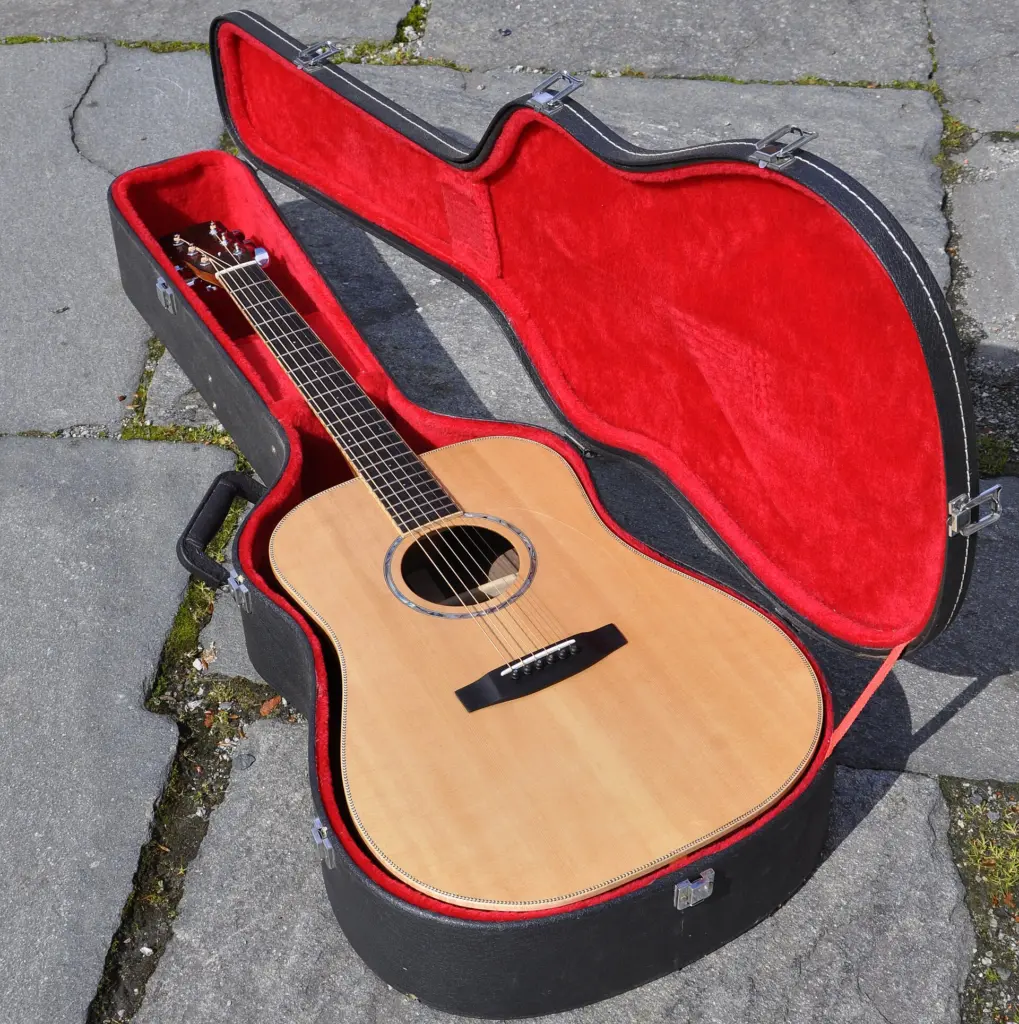
Steel or nylon. That is where most bad buys begin. If you want to play campfire chords and pop accompaniment, go for a steel-string acoustic guitar; as a sensible start for adults, we generally see the Yamaha FG800 there. If you are learning classical guitar or signing up a child under twelve, on the other hand, you need a classical guitar with nylon strings in the right size.
Steel or nylon? The music school has a say
Steel-string acoustic guitars sound bright, loud and twangy. The neck is narrow, and the strings are under high tension and press noticeably into your fingertips at first. Classical guitars have soft nylon strings, a wider neck and a round, warm tone. According to Yamaha, the nut on the FG800 steel-string acoustic measures 43 mm, and on the C40II classical guitar 52 mm. Nine millimeters sounds like little, but it feels distinctly different in your fretting hand.
Check with the teacher what is required in lessons before you order. Classical guitar lessons almost always require nylon, while song accompaniment and folk-style fingerpicking tend to call for steel. And one more thing: steel strings never belong on a classical guitar. The neck and top are not built for that tension.
What the specs really reveal
The top tells you the most. One made of solid wood vibrates more freely than plywood. According to Yamaha, the FG800 has a solid spruce top, and the Höfner HZ25 a solid cedar top. At entry level, that is the difference you can hear.
Then the shape. The dreadnought is large and strong in the bass, but bulky for smaller people. Smaller body shapes, such as those of the Little Martin and GS Mini, sit more comfortably on your lap. A pickup is only necessary if you play through an amplifier or directly into an audio interface. Many models are also available in a version with electronics, such as the FGX800C or AD810E.
That leaves the setup. With inexpensive guitars, buyers repeatedly report high action or buzzing. A luthier can usually fix that in one session.
Guitars for kids: better too small than too big
A child who has to stretch over a body that is too big gives up more quickly. That is why classical guitars come in fractional sizes. The Yamaha CS40II is a 3/4 guitar with a 580 mm scale length instead of 650 mm; retailers name children of about eight to twelve for it. According to specialist retailers, Höfner offers its HC504 student guitar in 1/2, 3/4, 7/8 and 4/4.
Age alone is not a sufficient measure. Have the child sit down with the guitar: if the left hand reaches the first fret with the arm slightly bent, the size is right. With steel-string acoustic guitars, there are hardly any true children’s sizes; the short travel guitars from Martin and Taylor are the exception and are more suited to teenagers.
Seven acoustic guitars compared
Yamaha FG800
According to Yamaha, the FG800 combines a solid spruce top with back and sides made of nato and okoume. From the factory, the guitar comes with Yamaha FS50BT or D’Addario XT strings. There is no pickup; if you need one, take the FGX800C with cutaway, tuner and three-band EQ. For many adults, it sits right at the sensible point between price and sound.
Cort AD810 OP
Cort counts the AD810 as part of its Standard series, intended according to the manufacturer for beginners and hobby players. Spruce top, mahogany body, open-pore finish. It costs noticeably less than the Yamaha. You pay for the difference in the top: Cort does not describe it as solid. For a first year of chord accompaniment, that is enough.
Yamaha C40II
Yamaha’s entry-level model among classical guitars: 650 mm scale length, 52 mm nut, spruce top. Getting started with classical guitar does not require more. With a built-in pickup, it is called the CX40.
Yamaha CS40II
According to Yamaha, the little sister of the C40II measures 920 mm in overall length and has a narrow 48 mm nut. For children’s hands, that makes things genuinely easier. When the child outgrows it, the C40II follows with the same construction.
Höfner HZ25
If you stick with it after the first year, you notice the limits of student guitars. According to Höfner, the HZ25 has a solid cedar top, a mahogany body and a bone nut and saddle. Cedar sounds soft and responds easily. As a first instrument for a child, it would be too expensive.
Martin LX1 Little Martin
A spruce top, plus back and sides made of HPL, a laminate with a mahogany look: that is how Martin builds the Little Martin. According to the manufacturer, the material copes with changes in temperature and humidity better than wood. The scale length is 23 inches, and a gig bag is included. With Fishman electronics, it is called the LX1E. In terms of sound, it does not replace a full-size guitar, but for travel and for teenagers, it is an honest choice.
Taylor GS Mini Mahogany
The GS Mini is a scaled-down Grand Symphony with a mahogany top and laminated sapele; Taylor states a 23.5-inch scale length. A structured gig bag is included. Taylor offers the ES-Go as a retrofit pickup. Price-wise, it plays in a different class from the beginner models. That is only worth it if you want a small guitar as your main instrument.
Strings: the cheapest sound boost
Old strings sound dull and do not hold their tuning well. Phosphor bronze strings are common for steel-string acoustic guitars; Martin recommends medium phosphor bronze for the LX1. Beginners often get along better with lighter gauges because there is less pressure on the fingers. Coated strings such as D’Addario XT stay fresh longer. For classical guitars, you choose between normal and hard tension. Normal is enough at the start.
How we would decide
- Adults, pop and campfire: Yamaha FG800. With a pickup, the FGX800C.
- Tight budget, steel strings: Cort AD810 OP, ideally with a setup by a luthier.
- Child up to about twelve: Yamaha CS40II; check the size with the child beforehand.
- Classical from teenage years: Yamaha C40II, later the Höfner HZ25.
- Travel and couch: Martin LX1 if it needs to be robust; Taylor GS Mini if sound matters.
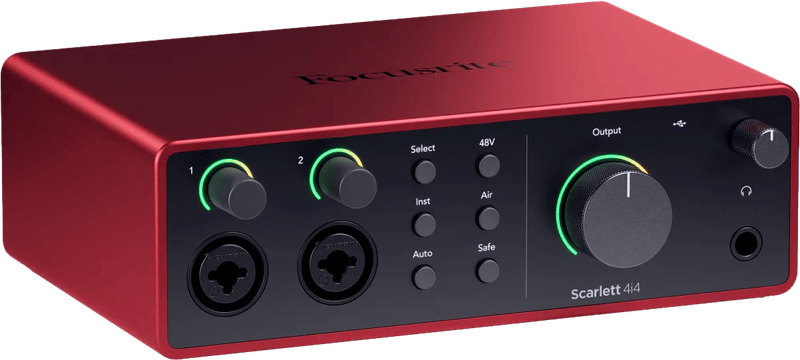
Prefer electricity and distortion? Then electric guitar sets are the right way in. If you want to record your acoustic guitar on a computer, you will find tips in our guide to the audio interface for your home studio, and if you want to combine guitar and keys, read on in the keyboard guide for beginners.
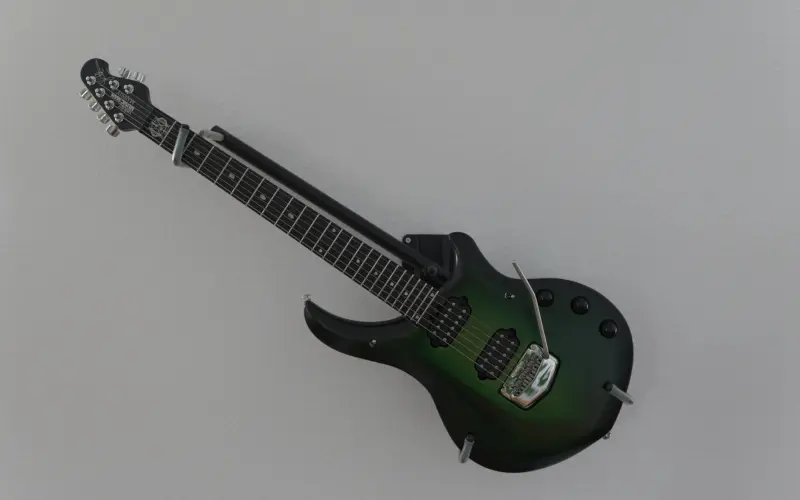
If you also want to play electric: our experience with a signature guitar is in the review of the Music Man John Petrucci Majesty 6, which with its piezo also delivers acoustic sounds.
Frequently asked questions
What is the difference between a steel-string acoustic and a classical guitar?
Steel-string acoustic guitars sound bright, loud and twangy, have a narrow neck and steel strings under high tension that press into your fingertips at first. Classical guitars have soft nylon strings, a wider neck and a round, warm tone. On the Yamaha models, the nut of the FG800 measures 43 mm and that of the C40II 52 mm.
Steel or nylon for guitar lessons?
Clarify this with the teacher before ordering. Classical guitar lessons almost always require nylon, while song accompaniment and folk-style fingerpicking tend to call for steel. Steel strings never belong on a classical guitar; the neck and top are not built for that tension.
What guitar size suits a child?
Age alone is not a sufficient measure. Have the child sit down with the guitar: if the left hand reaches the first fret with the arm slightly bent, the size is right. The Yamaha CS40II is a 3/4 guitar with a 580 mm scale length; retailers name children of about eight to twelve for it.
What should you look for in a beginner guitar?
The top tells you the most: one made of solid wood vibrates more freely than plywood, and at entry level, that is the audible difference. With inexpensive guitars, buyers repeatedly report high action or buzzing; a luthier can usually fix that in one session.
Does an acoustic guitar need a pickup?
Only if you play through an amplifier or directly into an audio interface. Many models are also available in a version with electronics, such as the FGX800C with cutaway, tuner and three-band EQ as the counterpart to the FG800.
Which strings for a steel-string acoustic guitar?
Phosphor bronze strings are common for steel-string acoustic guitars. Beginners often get along better with lighter gauges because there is less pressure on the fingers. Coated strings such as D'Addario XT stay fresh longer. Old strings sound dull and do not hold their tuning well.
Sources
- Yamaha: FG800 and FGX800C, technical data
- Yamaha: C40II and CX40, technical data
- Yamaha: CS40II, technical data
- Cort: Standard AD810
- Höfner: HZ25 Classic Series
- Martin: LX1 Little Martin
- Taylor: GS Mini Mahogany
Where to buy
- Yamaha FG800Check price at Amazon.deCheck price at Amazon.co.ukCheck price at Amazon.nlCheck price at Amazon.com.beCheck price at Amazon.frCheck price at Amazon.itCheck price at Amazon.esCheck price at Amazon.plCheck price at Amazon.seAvailable in Germany: Amazon.de
- Cort AD810 OPCheck price at Amazon.deCheck price at Amazon.co.ukCheck price at Amazon.nlCheck price at Amazon.com.beCheck price at Amazon.frCheck price at Amazon.itCheck price at Amazon.esCheck price at Amazon.plCheck price at Amazon.seAvailable in Germany: Amazon.de
- Yamaha C40IICheck price at Amazon.deCheck price at Amazon.co.ukCheck price at Amazon.nlCheck price at Amazon.com.beCheck price at Amazon.frCheck price at Amazon.itCheck price at Amazon.esCheck price at Amazon.plCheck price at Amazon.seAvailable in Germany: Amazon.de
- Yamaha CS40IICheck price at Amazon.deCheck price at Amazon.co.ukCheck price at Amazon.nlCheck price at Amazon.com.beCheck price at Amazon.frCheck price at Amazon.itCheck price at Amazon.esCheck price at Amazon.plCheck price at Amazon.seAvailable in Germany: Amazon.de
- Höfner HZ25Check price at Amazon.deCheck price at Amazon.co.ukCheck price at Amazon.nlCheck price at Amazon.com.beCheck price at Amazon.frCheck price at Amazon.itCheck price at Amazon.esCheck price at Amazon.plCheck price at Amazon.seAvailable in Germany: Amazon.de
- Martin LX1 Little MartinCheck price at Amazon.deCheck price at Amazon.co.ukCheck price at Amazon.nlCheck price at Amazon.com.beCheck price at Amazon.frCheck price at Amazon.itCheck price at Amazon.esCheck price at Amazon.plCheck price at Amazon.seAvailable in Germany: Amazon.de
- Taylor GS Mini MahoganyCheck price at Amazon.deCheck price at Amazon.co.ukCheck price at Amazon.nlCheck price at Amazon.com.beCheck price at Amazon.frCheck price at Amazon.itCheck price at Amazon.esCheck price at Amazon.plCheck price at Amazon.seAvailable in Germany: Amazon.de
Still undecided?
Keep comparing at your own pace – every article in this category is checked monthly for new and discontinued models.