Contents7 sections
This guide was first published in German on handgetestet.de.
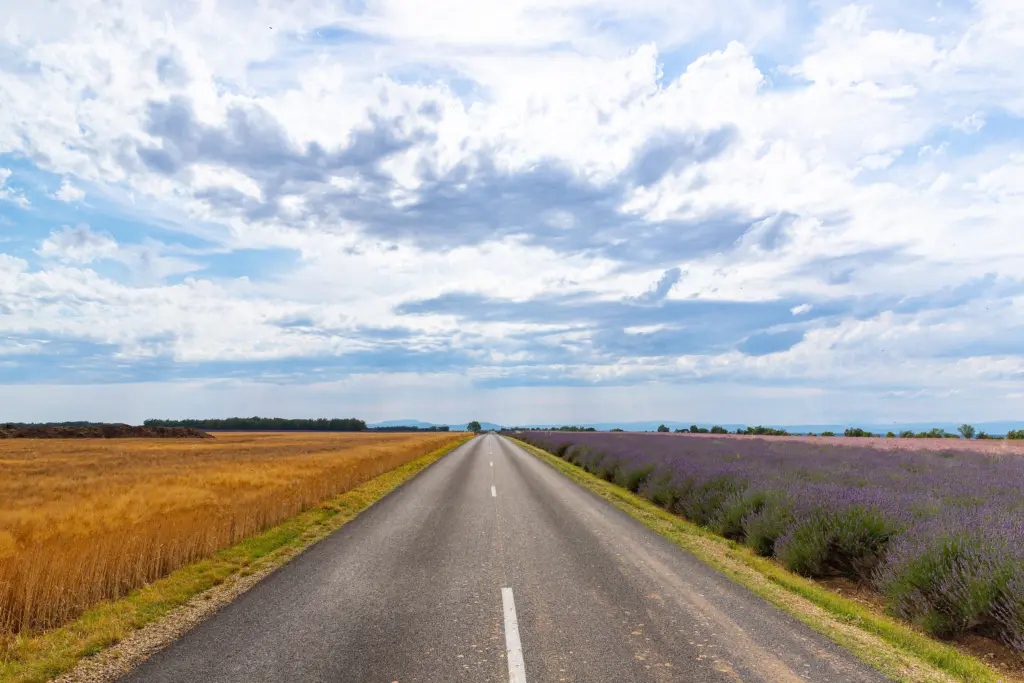
Lavender fields in Provence, châteaux on the Loire, the Côte d’Azur: France is a classic destination for a road trip by rental car. Between May and August, however, cars get scarce. Book early. That is the most important tip, and right behind it comes a second one: bring a genuine credit card, because without it you will get neither the keys nor the barrier open at every toll station.
Credit card and insurance
The deposit depends on the vehicle class. It is secured with a credit card in the driver’s name, Visa, Mastercard or American Express, and with a PIN. According to ADAC Autovermietung, the rental service of the German automobile club, EC, debit and prepaid cards are not accepted for this. The amount is blocked for the rental period and released after return. You may drive from age 18; sports and luxury cars are usually available only from 25, and some rental companies charge a surcharge for drivers under 25. An EU driver’s license is sufficient.
Because of possible fender benders in narrow lanes and parking spaces, a zero-deductible rate is advisable. Read the fine print anyway. The European Consumer Centre Germany (EVZ) points out that abbreviations such as CDW or the word “Vollkasko” (comprehensive coverage) do not automatically cover everything: tires, windows, underbody and roof are often excluded. And if you are pressured into additional insurance at the counter, insist on the terms you reserved.
| Option | Why it matters in France |
|---|---|
| Recommendation: rental car with comprehensive coverage and zero deductible | Narrow lanes and parking spaces |
| Rental car with navigation | Especially helpful in big cities |
| Electric rental car | Dense charging network, preferred parking in big cities |
Tolls at the péage and on routes without barriers
Most highways charge tolls, recognizable by blue signs reading “péage.” There is no vignette. Usually you take a ticket when entering and pay by the kilometer at the exit; on some sections, a flat fee is due. The ADAC cites 0.07 to 0.14 euros per kilometer for cars. You pay in cash or by credit card. A German EC card (girocard) does not work there. Not at all. The machine even rejects some German credit cards, so a little cash in the glove compartment does no harm.
Tunnels and bridges cost more. For 2026, the ADAC cites, for example, 55.50 euros for a one-way trip through the Mont Blanc or Fréjus tunnel to Italy, 13.80 euros in summer for the Millau Viaduct and 5.90 euros for the Pont de Normandie (as of November 2026).
Routes without toll stations are a trap for rental car drivers. On the A13 between Paris and Caen, a section of the A14, parts of the A4 and the A79 and on the A41 toward Geneva, a camera records the license plate. You then have to pay the toll yourself within 72 hours, online with the highway operator. If you forget, the claim reaches you through the rental company, usually with a processing fee. At pickup, ask whether the car has a toll transponder and how it is billed.
Speed, alcohol limits and what must be in the car
- Highway 130, expressway 110, rural road 80 km/h; some départements allow 90, in which case it is signposted.
- In rain and for drivers who have held their license for less than three years, 110 applies on the highway and 100 on expressways.
- In built-up areas 50 km/h, in Paris mostly 30.
- 0.5 per mille, 0.2 for new drivers in their first three years.
- Safety vest within reach, put on before getting out; plus a warning triangle.
Phones are where it gets strict. Headphones and headsets are prohibited for the driver; only the speaker is allowed. Radar detectors may not even be carried in an operational state, and that also applies to the speed camera function in a navigation device or phone app. If you bring your own navigation device, switch it off beforehand. Fines are considerably higher than in Germany and can be enforced in Germany from 70 euros. According to the EVZ, most rental companies additionally charge around 40 euros when they pass your details on to the authorities.
Many cities have low-emission zones that start with a dedicated sign and require a Crit’Air sticker. Ask at pickup whether the car has one before you drive into a big city.
Refueling, ferries, return
Return the car with the same fuel level you received it with. With a refueling service, the tank is not topped up; instead, a fee is deducted from the deposit. If you want to take a ferry to an island, such as Corsica, tell the rental company beforehand, because some vehicle classes are not allowed on the crossing at all, and additional fees apply otherwise. Side trips to neighboring EU countries are generally possible. Check beforehand whether a cross-border fee applies.
The right car in five steps
- For summer vacations, compare months in advance; in the fall, the selection is larger. Factor child seats, additional drivers and mileage into the offer.
- At the counter, check whether the rental agreement matches your reservation. The EVZ points out: online, it is often only a reservation; the contract is concluded on site.
- Have every scratch entered in the handover report and photograph the car all around, including rims and windshield.
- Ask about the toll transponder, Crit’Air sticker and safety vest.
- Return the car during opening hours so that someone signs the return report with you.
Frequently asked questions
Do I need an international driving permit? No, according to the ADAC, an EU driver’s license is sufficient.
Does the right-before-left rule apply at roundabouts? Usually not. Under the French Highway Code (Article R415-10), drivers entering a roundabout must give way to traffic already on it. The entry is then marked “Cédez le passage”, often with the extra sign “Vous n’avez pas la priorité” (you do not have the right of way). Only where these signs are missing, for example at some old squares in towns, does right-before-left apply according to the ADAC, giving entering vehicles the right of way. So pay attention to the signs before every roundabout.
Can I pay for fuel and tolls with my German girocard? Do not count on it. At the péage, the machine will not take it.
What if my flight is delayed? Call the rental station. According to the EVZ, many brokers keep the rental price anyway if you miss pickup; if necessary, a chargeback via your credit card can help.
Is an electric car worth it? For cities such as Paris and Lyon, the dense charging network speaks in its favor, and according to the ADAC, there are also preferred parking spaces there. On long cross-country stretches, plan your charging stops in advance.
General booking advice is in the guide Booking a rental car. If you are traveling with children, you will find suitable options in the guide Child seats, and for your own device without speed camera alerts, see the guide Car navigation systems.
Frequently asked questions
Which card do I need for a rental car in France?
A credit card in the driver’s name with a PIN, meaning Visa, Mastercard or American Express. According to ADAC Autovermietung, the rental service of the German automobile club, EC, debit and prepaid cards are not accepted. The deposit depends on the vehicle class, is blocked for the rental period and released after return.
How do I pay tolls with a rental car in France?
Usually you take a ticket when entering the highway and pay by the kilometer at the exit, in cash or by credit card. A German EC card does not work at the péage, and the machine even rejects some German credit cards. So a little cash in the glove compartment does no harm. There is no vignette.
What applies on highways without toll stations?
On the A13 between Paris and Caen, parts of the A4, A14 and A79 and on the A41 toward Geneva, a camera records the license plate. You pay yourself online within 72 hours. Otherwise, the claim comes through the rental company, usually with a processing fee. Ask about a toll transponder in the car.
Can I use a navigation device with speed camera alerts in France?
No. Radar detectors may not even be carried in an operational state, and that also applies to the speed camera function in a navigation device or phone app. If you bring your own device, switch it off beforehand. Headphones and headsets are also prohibited for the driver; only the speaker is allowed.
What speed limits apply in France?
130 on highways, 110 on expressways, 80 km/h on rural roads, 90 in some départements if signposted. In rain and for drivers who have held their license for less than three years, 110 and 100 apply. In built-up areas, it is 50, in Paris mostly 30. The blood alcohol limit is 0.5 per mille.
Do I need a Crit’Air sticker in a rental car?
In many cities, low-emission zones start with a dedicated sign and require a Crit’Air sticker. Ask at pickup whether the car has one before you drive into a big city. While you are at it, also clarify the toll transponder and safety vest.
Sources
- ADAC Autovermietung: Rental cars in France
- ADAC: Rental cars at home and abroad
- ADAC: France, traffic rules and vehicle
- ADAC: Tolls in France
- European Consumer Centre Germany: Rental cars
Where to buy
- Mietwagen mit Vollkasko ohne SelbstbeteiligungView at CHECK24Available in Germany: CHECK24
- Mietwagen mit NaviView at CHECK24Available in Germany: CHECK24
- Mietwagen als ElektroautoView at CHECK24Available in Germany: CHECK24
Still undecided?
Keep comparing at your own pace – every article in this category is checked monthly for new and discontinued models.