Contents8 sections
This guide was first published in German on handgetestet.de.
Poland begins right behind Frankfurt an der Oder. If you fly to Gdańsk, Kraków or Wrocław, you rent the car there; if you set off from Germany, you need permission to cross the border. The rules are similar to ours. In three areas, however, they differ noticeably: alcohol, tolls and fines. Our advice: compact class, not a drop of alcohol behind the wheel and always some cash on hand.
What counts at the counter
Your German driver’s license is enough; according to the ADAC (automobile club), you do not need an international one. For the deposit, rental companies require a credit card, specifically the main driver’s. A fellow traveler’s card is not enough, according to the ADAC. Before you sign, read how high the deductible is. The European Consumer Centre (EVZ) recommends fully comprehensive cover with no deductible and points out that tires, windows, underbody and roof are often excluded.
And if you want to cross the border, in either direction, ask beforehand whether trips abroad are allowed. According to the EVZ, unauthorized trips can trigger a high contractual penalty. A one-way rental across the border can get very expensive, according to the ADAC.
| Vehicle | Suits | Note |
|---|---|---|
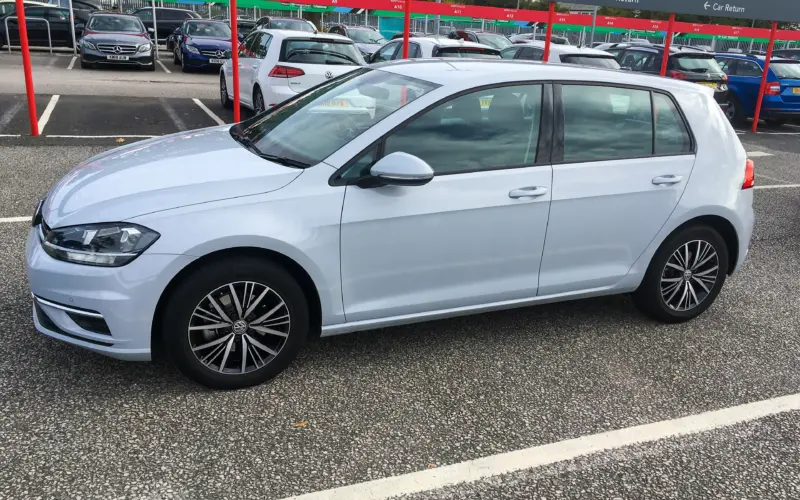
| Recommendation: compact-class rental car | City trip with excursions | Parking zones are signposted and charge a fee |
| Mid-size rental car | Round trip through Masuria and to the Baltic Sea | Highways up to 140 km/h |
| Station wagon rental car | Families with lots of luggage | Children under 1.35 m need a seat |
0.2 per mille and pay on the spot
The blood alcohol limit is 0.2 per mille. In practice, that means if you drive, you do not drink. The limits are 50 km/h in built-up areas, 90 outside built-up areas, 100 on expressways, 120 on four-lane roads and 140 on highways. Low beam headlights or daytime running lights are mandatory all year round; at night on unlit roads, parking lights are also required when the car is parked. A green arrow next to the red light allows you to turn only after you have come to a stop. Phone calls are only allowed with a hands-free system.
Foreigners have to pay fines immediately. If you do not have enough cash, you will be given the opportunity to withdraw money from an ATM or a bank. If you refuse, you end up in expedited court proceedings, and until then the police keep your travel documents. During a check: engine off, hands on the steering wheel, stay seated. According to the ADAC, plainclothes officers do not conduct traffic checks outside built-up areas, and officers must identify themselves on request.
An operational radar detector is prohibited; even carrying one is. Packed away and not ready for use, it may come along. A dashcam is allowed if it is easy to remove and continuously overwrites its recordings. Which devices can do that is covered in the dashcam guide.
Tolls on only three sections
There is no vignette. Cars only pay on privately operated sections: the A1 between Gdańsk and Toruń, the A2 from the border at Świecko to Konin and the A4 between Katowice and Kraków. The state-run highways are free for cars. You pay at the toll station in cash or by card. The stations only accept euros as banknotes, and change is given in złoty. According to the ADAC, there is the AmberGo app with license plate registration for the A1 and the A4Go device for the A4. Ask the rental company whether the car has something like that on board.
Children, winter, breakdowns
Children under twelve and under 1.35 m need a suitable seat. A rear-facing seat in the front is only allowed with the airbag deactivated. More on this in the child car seat guide.
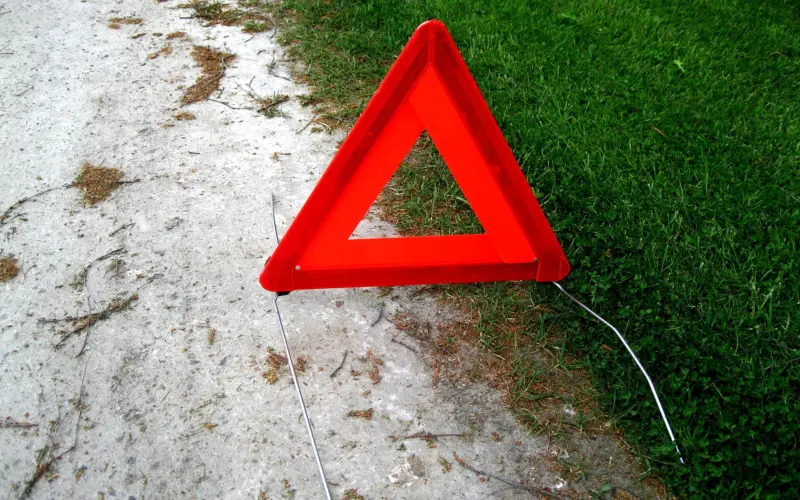
There is no general winter tire requirement. Snow chains are allowed on snow and ice; studded tires are prohibited. Anyone who gets out after a breakdown or an accident must wear a high-visibility vest, and that applies to every occupant. A fire extinguisher is mandatory for Polish cars, so a rental car with Polish license plates should have one on board. Ask about it at handover.
Parking
Stopping is prohibited at intersections and up to 10 meters before them, at pedestrian and bicycle crossings, at public transport stops, at railroad crossings, on bridges and in tunnels. According to the ADAC, parking lots with the sign „strzeżony 24h“ are guarded around the clock for a fee. For a night in the city, that is the more relaxed choice.
From booking to return
- According to the ADAC, booking online usually only gets you a reservation. The contract is concluded at the counter, and there is no right of withdrawal.
- Clarify cross-border trips and one-way rentals beforehand, including the fee.
- At pickup, have every scratch entered in the report and take photos. Check the high-visibility vests and the fire extinguisher.
- Full to full. The EVZ considers this often cheaper than a prepaid fuel option.
- Return the car during opening hours so that you are present for the return report.
Frequently asked questions
Do I have to report every fender bender?
Yes. According to the ADAC, every accident must be reported to the police; for the insurance, you need a copy of the report. What to do next is covered in the guide Rental car accidents and damage.
What does it cost if a ticket arrives later?
Many rental companies charge a fee for passing on your details. The ADAC gives 50 euros per violation as an example, plus the fine.
Where is the drive worth it?
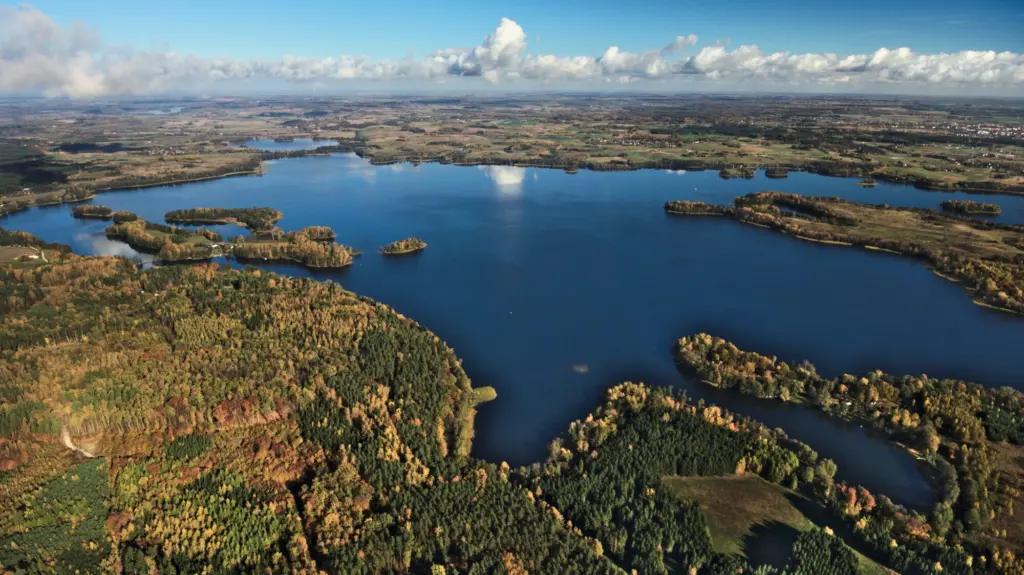
ADAC Autovermietung names Kraków with its Old Town and Wawel, Gdańsk, Wrocław, the Baltic coast, the Masurian Lakes and Zakopane in the High Tatras.
Can I pay in euros?
At the toll stations, in banknotes; change comes in złoty. You have to pay fines immediately, if necessary with cash from an ATM.
More on deposits and handover in the guide Booking a rental car.
Frequently asked questions
What do I need at the rental car counter in Poland?
Your German driver's license is enough; according to the ADAC, you do not need an international one. For the deposit, rental companies require a credit card with a sufficient limit. Check the deductible, because it applies to every single damage. If you want to drive back across the border, ask beforehand whether trips abroad are allowed.
What is the blood alcohol limit in Poland?
The limit is 0.2 per mille; in practice, that means if you drive, you do not drink. The limits are 50 km/h in built-up areas, 90 outside built-up areas, 100 on expressways, 120 on four-lane roads and 140 on highways. Low beam headlights are mandatory all year round.
Do I have to pay a fine in Poland immediately?
Foreigners have to pay immediately. If you do not have enough cash, you will be given the opportunity to withdraw money from an ATM. If you refuse, you end up in expedited court proceedings, and until then the police keep your passport. During a check: engine off, hands on the steering wheel, stay seated.
Where do highways in Poland charge tolls?
There is no vignette. Cars only pay on privately operated sections: the A1 between Gdańsk and Toruń, the A2 from the border at Świecko to Konin and the A4 between Katowice and Kraków. You pay at the toll station in cash or by card; change is given in złoty.
What does the green arrow at Polish traffic lights mean?
A green arrow next to the red light allows you to turn only after you have come to a stop. If an accident happens anyway, every accident must be reported to the police. For the insurance, you need a copy of the report.
Sources
- ADAC: Driving to Poland
- ADAC: Tolls and vignettes in Poland
- ADAC: Rental cars at home and abroad
- ADAC Autovermietung: Rental cars in Poland
- European Consumer Centre: Rental cars
Where to buy
- Mietwagen der KompaktklasseView at CHECK24Available in Germany: CHECK24
- Mietwagen der MittelklasseView at CHECK24Available in Germany: CHECK24
- Mietwagen als KombiView at CHECK24Available in Germany: CHECK24
Still undecided?
Keep comparing at your own pace – every article in this category is checked monthly for new and discontinued models.