Contents13 sections
This guide was first published in German on handgetestet.de.
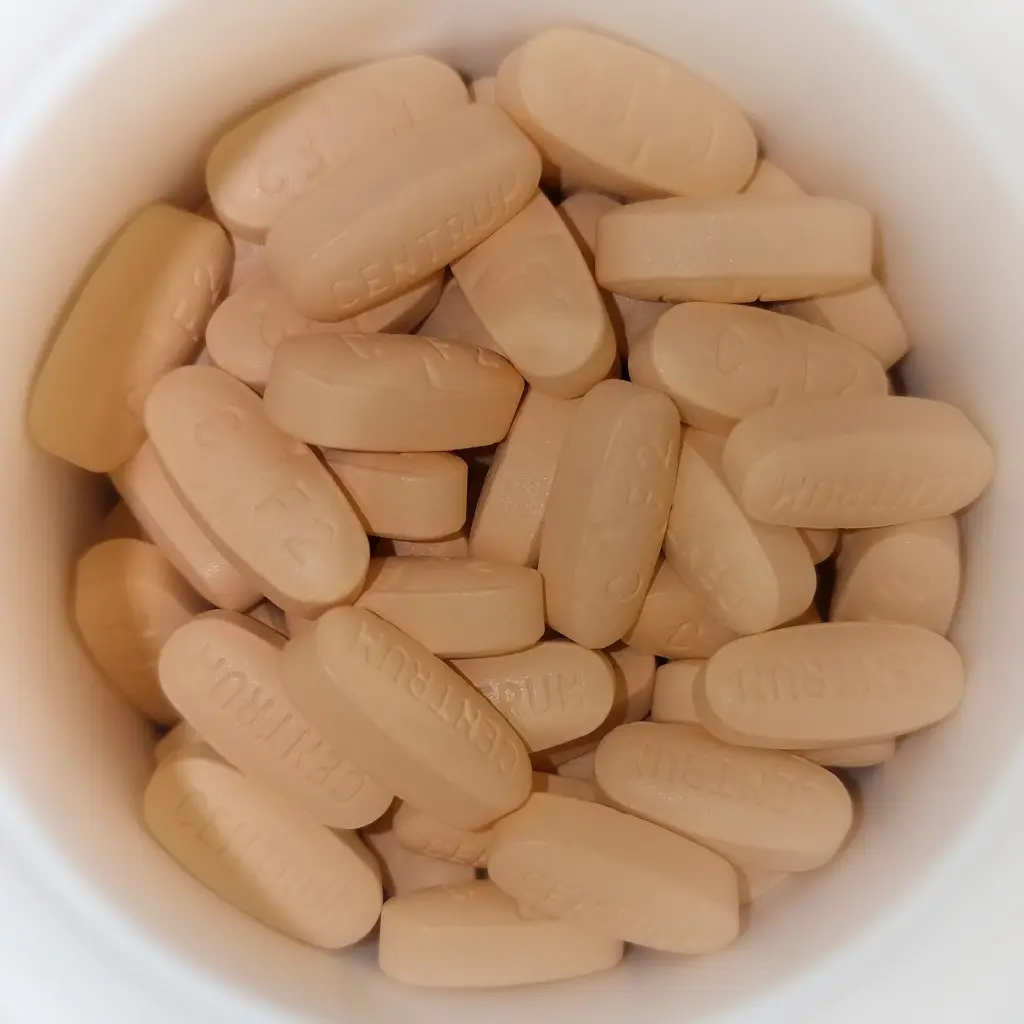
Do you need a multivitamin? For the vast majority of adults, the honest answer is no. If you want to take one anyway, or your doctor advises you to, choose a product with moderate doses. Not the one with the biggest percentages on the bottle. That is exactly where the typical bad buys happen.
Isn’t a normal diet enough?
Yes, in most cases. According to the German consumer advice center (Verbraucherzentrale), vitamin needs can usually be covered by a balanced diet, and deficiency is extremely rare in Germany. According to the consumer advice center, there are no studies showing that an extra portion of vitamins from a bottle makes up for a poor diet or protects against disease. Five servings of fruit and vegetables a day, plus dairy and whole-grain products, do more than any supplement.
So who is the exception?
The consumer advice center names them explicitly, in each case only after consulting a doctor: women trying to conceive, older people, people who rarely get outdoors or cannot eat a diet that meets their needs, and people with a severely restricted diet, for example due to allergies or diets. Even then, a single nutrient often helps in a more targeted way than an all-in-one product. For vitamin D, for example, that means a single-nutrient supplement (see our overview of vitamin D3).
Check with your doctor before taking one, especially if you have medical conditions, take medication or are pregnant.
How much is too much?
In Germany, maximum levels for dietary supplements are not set by law. The German Federal Institute for Risk Assessment (BfR) does, however, propose upper limits per daily dose. An excerpt: vitamin A 0.2 mg, vitamin D 20 µg, vitamin E 30 mg, vitamin B6 0.9 mg (lowered from 3.5 mg in 2023), folic acid 200 µg, vitamin C 250 mg, iron 6 mg, zinc 6.5 mg, selenium 40 µg, iodine 100 µg.
Placed next to the labels, the list reveals a pattern. Hardly any classic A-to-Z supplement stays within all the values; vitamin B6 and vitamin A are the most frequent problems. Doppelherz A-Z Depot is an extreme case, with 5 mg of B6 and 450 µg of folic acid per tablet. We deliberately left products like that out.
How does an overdose happen?
Rarely through a single product. Usually through stacking: a multivitamin, plus zinc for the immune system, plus a fortified juice. The consumer advice center advises never to exceed the manufacturer’s dose and not even to aim for 100 percent, because food supplies vitamins anyway. According to the consumer advice center, too much vitamin A can cause skin changes, hair loss and headaches, and in pregnancy, in the worst case, birth defects. For men aged 55 and over, the BfR points out that uncontrolled vitamin E intake can increase the risk of prostate cancer.
What applies to older adults, pregnant women and people on medication?
According to the consumer advice center, healthy, active older adults have hardly any different nutrient needs than younger people. Two points are typical, though. Around 30 percent of people over 65 develop gastritis, which can reduce the absorption of vitamin B12, and for people with limited mobility, the German Nutrition Society (DGE) recommends 20 µg of vitamin D daily. A multivitamin with 5 µg of vitamin D does not solve that. According to the consumer advice center, the WHO guideline explicitly advises against multivitamins to prevent cognitive decline.
If you take medication regularly, the BfR says you should not start any dietary supplement without advice from a doctor or pharmacist. Vitamin K can weaken coumarin-type anticoagulants, and vitamin E can strengthen them. Biotin at 150 µg per day or more can distort lab results.
Pregnancy and trying to conceive are a separate topic. The DGE recommends 400 µg of folic acid daily, starting at least four weeks before pregnancy and continuing until the end of the first trimester. Your gynecologist will determine which product covers that and how much iodine or iron to add. Because of their vitamin A content, all the products named here carry a note to consult a doctor first during pregnancy.
Which products are left?
Five multivitamins with moderate doses. The values come from the manufacturers‘ food information and apply per recommended daily dose.
| Model | Vitamin A / B6 / folic acid | Iron / zinc | Best for |
|---|---|---|---|
| Centrum Frisch & Fruchtig (1 lozenge) | 330 µg / 0.5 mg / 200 µg | 4.5 mg / 2.8 mg | If you want a low dose and dislike swallowing pills |
| Doppelherz A-Z Multivitamin + Mineralien (effervescent tablet) | 400 µg / 2.1 mg / 400 µg | no iron / 5 mg | If you should avoid iron |
| Centrum A-Zink | 800 µg / 2 mg / 200 µg | 5 mg / 5 mg | Adults who want a classic tablet |
| Centrum Generation 50+ | 800 µg / 2.1 mg / 300 µg | 2.1 mg / 5 mg | Older adults after consulting a doctor |
| Abtei A-Z Komplett | 800 µg / 1.4 mg / 200 µg | 14 mg / 10 mg | Only with a medically confirmed need for iron |
Centrum Frisch & Fruchtig
At one lozenge a day, this product comes closest to the BfR values of all five. B6, zinc and selenium stay below them, folic acid at 200 µg is exactly at the BfR value, and only vitamin A, at 330 µg, is above. Centrum allows up to two tablets, which doubles everything. One is enough. It is sweetened with xylitol and aspartame and therefore contains a source of phenylalanine.
Doppelherz A-Z Multivitamin + Mineralien
The effervescent tablet contains no iron. For men and for women after menopause, that is a plus, because the BfR advises these groups to take iron only after consulting a doctor. On the other hand, B6 and folic acid are above the BfR proposals. It is sweetened with cyclamate and saccharin.
Centrum A-Zink
The long-established all-in-one supplement mostly stays around 100 percent of the reference value, without the upward outliers of some depot tablets. Vitamin A (800 µg, part of it as beta-carotene) and B6 are nonetheless above the BfR proposals.
Centrum Generation 50+
The version for older adults contains less iron (2.1 mg) but more vitamin E, C, B6 and folic acid, each at 150 percent of the reference value. Vitamin D only at 5 µg. If you rarely get outdoors, you will need a separate solution anyway. Talk to your family doctor first, especially if you take blood thinners.
Abtei A-Z Komplett
For the vitamins, Abtei sticks exactly to 100 percent, and B6, at 1.4 mg, is lower than in Centrum. The minerals, however, are strong: 14 mg of iron, 10 mg of zinc and 55 µg of selenium clearly exceed the BfR proposals, and fluoride is added as well. In our view, too much of a good thing.
So what would we do?
If you eat a healthy, varied diet, skip the multivitamin and spend the money on fruit and vegetables instead. If your doctor has recommended a multivitamin, we would take Centrum Frisch & Fruchtig, one tablet a day. If iron should be avoided, Doppelherz A-Z as an effervescent tablet is a good fit, agreed with your doctor.
- Over 65 or rarely outdoors: first have your vitamin D and B12 levels checked; a multivitamin does not replace that.
- Trying to conceive or pregnant: folic acid as recommended by the DGE; decide on the right product with your doctor.
- Already have magnesium, zinc or D3 in the cabinet: add up the labels before adding an all-in-one product (see our magnesium guide (in German)).
Manufacturers may only advertise with EU-authorized claims, for example that vitamin B6, B12, folic acid and iron „contribute to the reduction of tiredness and fatigue.“ That describes the role of the nutrient. It does not describe any additional benefit for people who are already well supplied.
Frequently asked questions
Do you need a multivitamin?
Most adults do not. According to the German consumer advice center, vitamin needs can usually be covered by a balanced diet, and deficiency is extremely rare in Germany. According to the consumer advice center, there are no studies showing that vitamins from a bottle make up for a poor diet or protect against disease.
Who might benefit from a multivitamin?
The consumer advice center names, in each case after consulting a doctor, women trying to conceive, older people, people who rarely get outdoors, and people with a severely restricted diet, for example due to allergies or diets. A single nutrient often helps in a more targeted way than an all-in-one product.
Can you overdose on vitamins?
Yes, usually by stacking several products. The consumer advice center advises never to exceed the manufacturer's dose. Too much vitamin A can cause skin changes, hair loss and headaches. The German Federal Institute for Risk Assessment (BfR) proposes maximum daily levels, for example 0.9 mg of vitamin B6 and 0.2 mg of vitamin A.
What should you watch for with multivitamins and medication?
According to the BfR, do not start any dietary supplement without advice from a doctor or pharmacist. Vitamin K can weaken coumarin-type anticoagulants, and vitamin E can strengthen them. Biotin at 150 µg per day or more can distort lab results.
Which multivitamin for adults over 65?
First have your vitamin D and B12 levels checked; a multivitamin does not replace that. For people with limited mobility, the German Nutrition Society (DGE) recommends 20 µg of vitamin D daily, while Centrum Generation 50+ contains only 5 µg. Talk to your family doctor first, especially if you take blood thinners.
What applies when trying to conceive and during pregnancy?
The DGE recommends 400 µg of folic acid daily, starting at least four weeks before pregnancy and continuing until the end of the first trimester. Your gynecologist will determine the right product and any iodine or iron. Because of their vitamin A content, all the products named here carry a note on pregnancy.
Sources
- German consumer advice center: Vitamin products, does more help more? (as of 09/2025)
- German consumer advice center: Fit in old age, do I need a dietary supplement? (as of 08/2026)
- BfR: Maximum level recommendations for vitamins and minerals
- BfR: Benefits and risks of micronutrient supplements in old age
- DGE: Reference values for folate
- Centrum Frisch & Fruchtig: food information
- Centrum A-Zink: food information
- Centrum Generation 50+: food information
- Doppelherz A-Z Multivitamin + Mineralien: food information
- Doppelherz A-Z Depot: food information
- Abtei A-Z Komplett: product information
Where to buy
- Centrum Frisch & Fruchtig (1 Lutschtablette)Check price at Amazon.deCheck price at Amazon.co.ukCheck price at Amazon.nlCheck price at Amazon.com.beCheck price at Amazon.frCheck price at Amazon.itCheck price at Amazon.esCheck price at Amazon.plCheck price at Amazon.seAvailable in Germany: Amazon.de
- Doppelherz A-Z Multivitamin + Mineralien (Brausetablette)Check price at Amazon.deCheck price at Amazon.co.ukCheck price at Amazon.nlCheck price at Amazon.com.beCheck price at Amazon.frCheck price at Amazon.itCheck price at Amazon.esCheck price at Amazon.plCheck price at Amazon.seAvailable in Germany: Amazon.de
- Centrum A-ZinkCheck price at Amazon.deCheck price at Amazon.co.ukCheck price at Amazon.nlCheck price at Amazon.com.beCheck price at Amazon.frCheck price at Amazon.itCheck price at Amazon.esCheck price at Amazon.plCheck price at Amazon.seAvailable in Germany: Amazon.de
- Centrum Generation 50+Check price at Amazon.deCheck price at Amazon.co.ukCheck price at Amazon.nlCheck price at Amazon.com.beCheck price at Amazon.frCheck price at Amazon.itCheck price at Amazon.esCheck price at Amazon.plCheck price at Amazon.seAvailable in Germany: Amazon.de
- Abtei A-Z KomplettCheck price at Amazon.deCheck price at Amazon.co.ukCheck price at Amazon.nlCheck price at Amazon.com.beCheck price at Amazon.frCheck price at Amazon.itCheck price at Amazon.esCheck price at Amazon.plCheck price at Amazon.seAvailable in Germany: Amazon.de