Contents7 sections
This guide was first published in German on handgetestet.de.
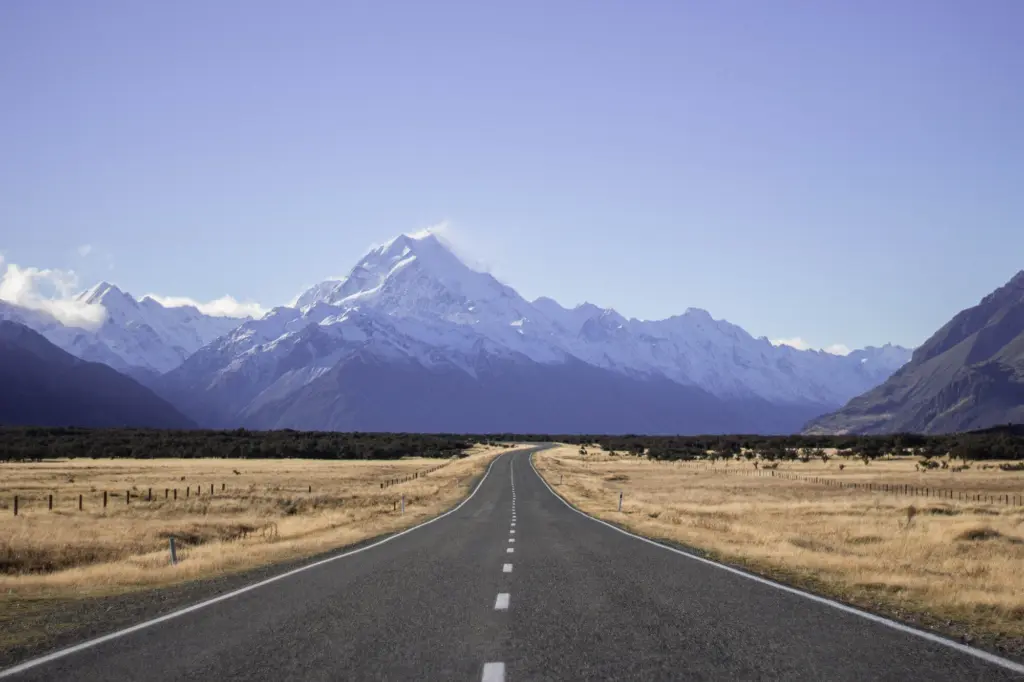
New Zealand tempts you with fjords, glaciers and empty roads. But empty does not mean easy. The German Federal Foreign Office reports a sharp rise in fatal accidents, increasingly involving young tourists. Our advice: allow generous driving times, choose a car with enough engine power for the mountains and drive defensively for the first few days. And not at all on the day you arrive after the long-haul flight.
Left, narrow and winding
In New Zealand, you drive on the left. Multi-lane motorways exist only on short stretches around Auckland, Wellington, Christchurch and Dunedin. Most roads have a single lane in each direction, are winding and narrow, some with steep gradients, and minor roads are often not paved all the way. On rural roads the limit is usually 100 km/h, on some signposted expressways 110. You will rarely reach that. On mountain routes, expect longer driving times than the distance suggests, as ADAC Autovermietung also advises.
Rental companies may even refuse to hand over the car if a foreign driver does not seem adequately prepared. According to the Federal Foreign Office, many have signed up to a code of conduct and ask at the counter about the rules and your driving experience.
| Vehicle | Suits | Note |
|---|---|---|
| Compact rental car | Cities and short legs | slower on mountain roads |
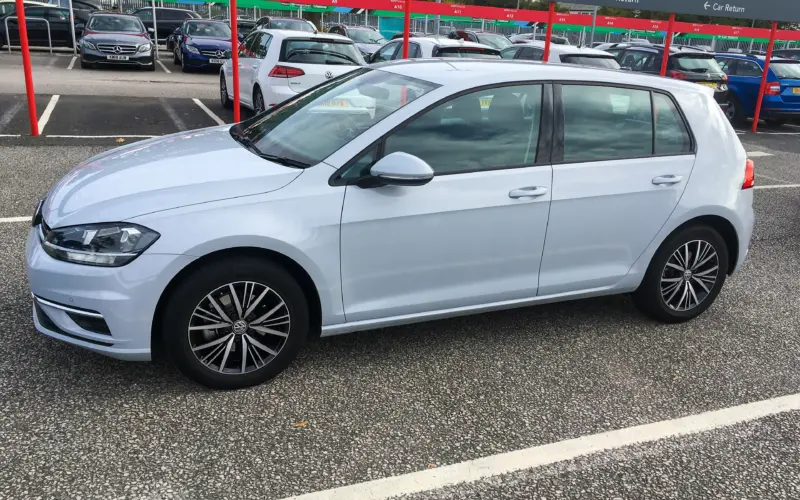
| Recommendation: mid-size rental car | Road trip across both islands | more comfort and engine power |
| SUV rental car | long and mountainous routes | check the rental company’s ferry rules |
The rules that matter
The country’s tourism industry sums them up on its DriveSafe website. Some differ from those in Germany, and those are exactly the ones that lead to accidents.
- One-lane bridges: a sign shows who has the right of way. The big arrow goes first. If in doubt, let the other driver go first.
- Roundabouts: traffic from the right has the right of way.
- At T-intersections, the driver turning waits for all traffic going straight.
- A yellow line on your side means no passing; a double line applies to both directions. If five or more cars are backed up behind you, pull over safely and let them pass.
- Alcohol: 0.05 percent (0.5 per mille) from age 20, zero below that.
- Phones only hands-free, everyone buckles up, children under 7 ride in an approved child seat.
In the countryside, sheep or cattle sometimes stand on the road. Pass cyclists with at least 1.5 meters of clearance. In roadworks the limit is usually 30 or 50 km/h, near schools in the morning and afternoon 30 or 40.
License, ferry, entry
Your German driver’s license is valid for no more than one year from entry and must be carried together with a certified English translation. An international driving permit together with the national license counts as such a translation; you can also get a translation from the ADAC (German automobile club). If you want to take your rental car from the North Island to the South Island, check your rental company’s ferry rules and rental terms beforehand, because they differ.
To enter the country, you need the NZeTA electronic travel authority. According to the Federal Foreign Office, it costs 23 New Zealand dollars online or 17 via the app, plus the IVL tourist levy (as of November 2026). Apply for it at least 72 hours before departure. Your passport must be valid for one month beyond your stay; a German national ID card is not enough.
Watch out at customs: you must declare food, used hiking boots and camping gear. Even a forgotten apple in your carry-on can cost you an on-the-spot fine; according to the Federal Foreign Office, violations usually cost at least 400 New Zealand dollars. If you are bringing your hiking boots, clean them thoroughly before packing.
From booking to return
- Set your route and decide whether to take the car on the ferry or rent separately on each island. The conditions for that are in the rental agreement.
- Choose comprehensive cover and theft protection with no deductible. Free cancellation up to pickup gives you leeway in case your flight is rescheduled.
- Pack your license with a translation or an international driving permit, your passport and a credit card.
- At pickup, photograph any damage, check the fuel level and ask whether gravel roads are allowed.
- Allow a buffer on the return day. Mountain roads and roadworks take time.
Typical mistakes
At the top of the list is a schedule that is too tight. If you plan long legs every day, you drive tired, and that is exactly what DriveSafe names as a risk. Second: entering a roundabout on the wrong side. Third: the one-lane bridge where you overlook the right-of-way sign. A fourth mistake only costs money: valuables left in the car. Break-ins at unattended parking lots are not uncommon. And some routes have tolls, so ask the rental company how they are billed.
With children, you need a suitable seat, rented or brought along. What matters there is covered in our child car seat guide. Damage and accidents with a rental car are covered in the guide Rental car accidents and damage.
Frequently asked questions
Is a German driver’s license enough on its own?
No. It is not in English, so you also need an international driving permit or a recognized translation.
How long can I drive with it?
No more than one year from entry. That is enough for vacationers.
Can I have a beer with dinner?
From age 20, the limit is 0.05 percent (0.5 per mille). Younger drivers may not drink at all. On long mountain stretches, we would skip it entirely.
Mid-size car or SUV?
For the classic road trip, a mid-size car is enough. An SUV gives you ground clearance and room, but it does not replace permission to drive on gravel roads.
More on deposits and vehicle handover in the guide Booking a rental car.
Frequently asked questions
Is a German driver's license enough in New Zealand?
Not on its own. It is valid for no more than one year from entry and must be carried together with a certified English translation. An international driving permit together with the national license counts as such a translation; you can also get a translation from the ADAC (German automobile club).
Mid-size car or SUV for New Zealand?
For the classic road trip, a mid-size car is enough. An SUV gives you ground clearance and room for long, mountainous routes, but it does not replace permission to drive on gravel roads. Ask at pickup whether gravel roads are allowed.
How do one-lane bridges work in New Zealand?
A sign shows who has the right of way: the big arrow goes first. If in doubt, let the other driver go first. Overlooking the right-of-way sign at one-lane bridges is one of the typical mistakes, as is entering a roundabout on the wrong side.
Can I take my rental car on the ferry to the South Island?
That depends on the rental company. Check its ferry rules and rental terms beforehand, because they differ. Alternatively, rent separately on each island; the conditions for that are in the rental agreement.
What is the blood alcohol limit in New Zealand?
From age 20, the limit is 0.05 percent (0.5 per mille); for younger drivers it is zero. On long mountain stretches, this guide would skip alcohol entirely. Phones only hands-free, everyone buckles up, and children under 7 ride in an approved child seat.
What do I need to know when entering New Zealand?
You need the NZeTA electronic travel authority, applied for at least 72 hours before departure, and a passport that is valid for at least one month beyond your stay. You must declare food, used hiking boots and camping gear at customs; even a forgotten apple can cost you a fine.
Sources
- ADAC Autovermietung: Rental cars in New Zealand
- German Federal Foreign Office: New Zealand, travel and safety advice
- DriveSafe (Tourism Industry Aotearoa): On the Road
Where to buy
- Mietwagen der MittelklasseView at CHECK24Available in Germany: CHECK24
- Mietwagen der KompaktklasseView at CHECK24Available in Germany: CHECK24
- Mietwagen als SUVView at CHECK24Available in Germany: CHECK24
Still undecided?
Keep comparing at your own pace – every article in this category is checked monthly for new and discontinued models.