Contents12 sections
This guide was first published in German on handgetestet.de.
Will the old set last one more winter? If you are driving on tires in October that were mounted eight winters ago, you are saving in the wrong place. For winter 2026, we recommend the Continental WinterContact TS 870 for most cars. In the current ADAC test, it was rated „good“ in both tire sizes, and in the small-car size it even came out on top. Close behind is the Michelin Alpin 7. It is the alternative if Continental is not available in your size.
When are winter tires mandatory?
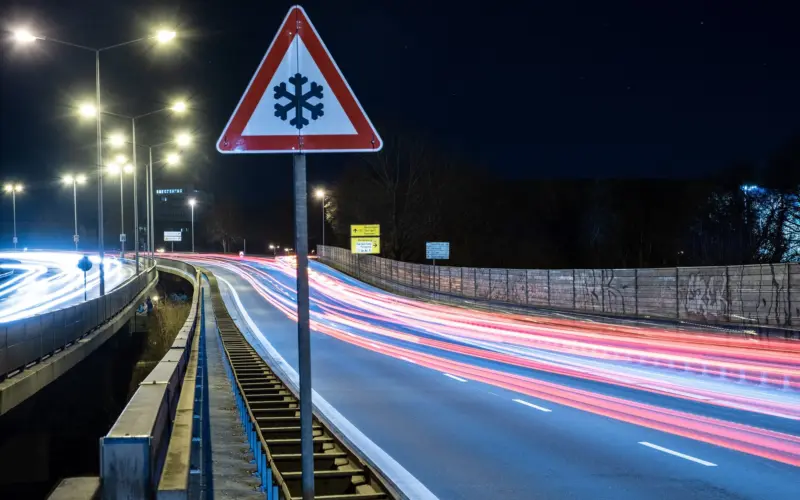
German law has no fixed winter tire season. Section 2(3a) of the German Road Traffic Regulations (StVO) ties the requirement to road conditions: in black ice, packed snow, slush, ice or frost, a car may only be driven if all wheels have tires that meet Section 36(4) of the German Road Vehicle Registration and Licensing Regulations (StVZO). The German rule of thumb „O to O“ (from October to Easter, Oktober bis Ostern) therefore remains just a memory aid. If you get caught in a cold snap in mid-April, you still need winter tires.
Section 36(4) StVZO specifies exactly which tire counts. It must start, stabilize and brake better on snow and carry the Alpine symbol, the mountain pictogram with a snowflake according to UN Regulation 117. Since October 1, 2024, the M+S marking alone is no longer sufficient. Until then, according to the ADAC, Germany’s largest automobile club, a transition period applied to M+S tires manufactured before 2018. If you are stopped in snow or ice with the wrong tires, you pay a fine and get a penalty point, according to the ADAC overview. If you obstruct or endanger others, it gets more expensive.
How much tread do you need?
Under Section 36(3) StVZO, the law requires at least 1.6 millimeters in the main tread grooves, all the way around. That is far too little for snow, because the sipes need depth to interlock with the snow surface. The ADAC therefore advises replacing winter tires once they drop below four millimeters. It also recommends not driving on tires older than eight years. The date of manufacture is shown as a four-digit DOT code on the sidewall, for example 3923 for week 39 of 2023.
This often goes wrong with used cars. The tread looks deep, but the tires are ten years old and have hardened. Reading the DOT number takes ten seconds.
What does the tire label reveal, and what does it not?
The EU tire label under Regulation (EU) 2020/740 shows rolling resistance and wet grip in classes A to E as well as rolling noise in decibels. A snow symbol only appears if the tire has passed the snow test according to UN Regulation 117. The QR code takes you to the data sheet in the EU’s EPREL database.
How a winter tire performs on snow, in corners or over many kilometers is not on it. Two tires with identical labels can be a full grade apart in a test. The label is therefore useful as a first filter. Independent tests in your size should make the decision.
Winter tires or all-season tires after all?
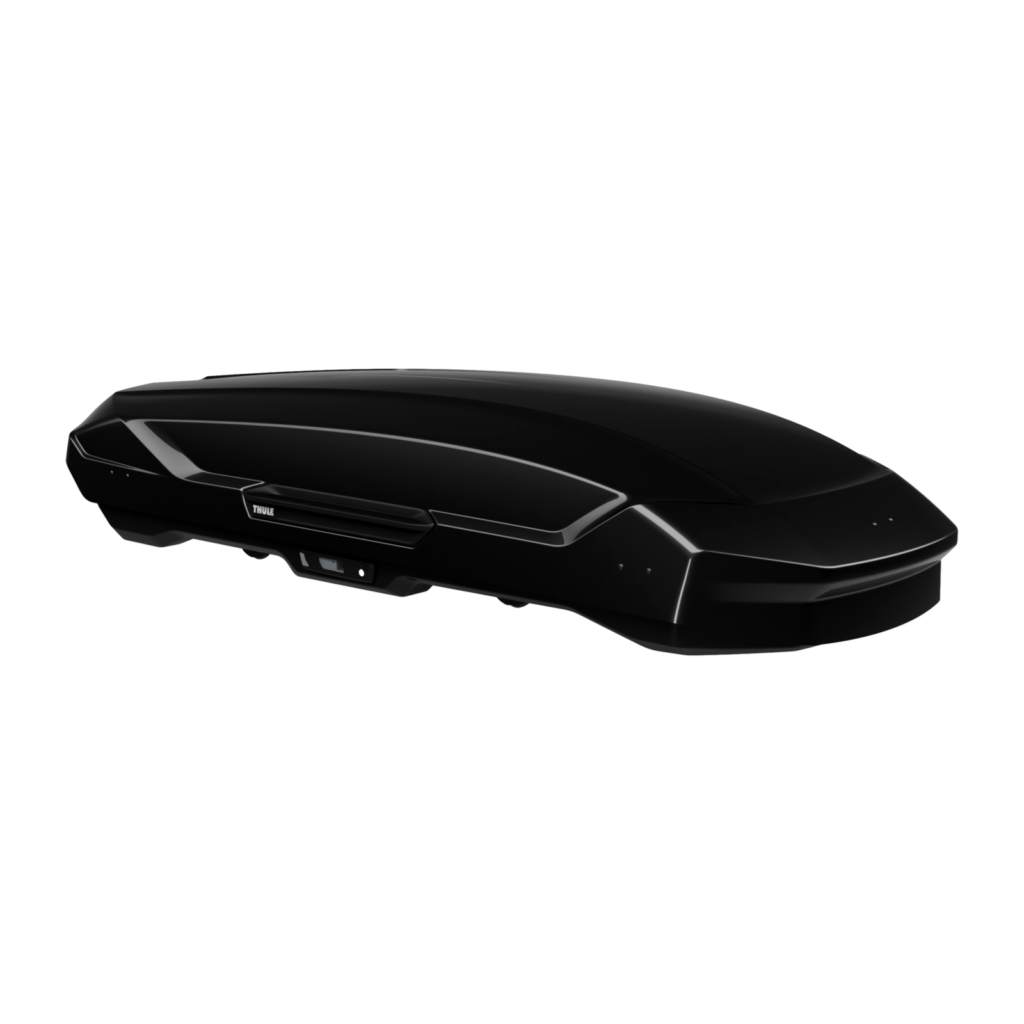
This is about cars with two sets of wheels. Little mileage, flat terrain, and the car can stay parked when it snows? Then a good all-season tire may be enough. Which models lead there and where the compromise ends is shown in our all-season tire comparison. Commuters in hilly upland regions and anyone who drives into the mountains every winter are better served with true winter tires. And if you set off fully loaded with skis on the roof, you will find advice on payload and handling in our guide to the roof box (in German).
Five winter tires with results from the 2026 ADAC test
The ADAC published its winter tire test on September 22, 2026, with 16 tires each in 185/65 R15 (small cars) and 225/50 R17 (mid-size cars). The ÖAMTC, the Austrian automobile club, published identical scores as test partner. They only apply to the size tested. The scores follow the German school grading scale: the lower, the better.
Continental WinterContact TS 870
In 185/65 R15, it earned the top score in its size with 2.2, and in 225/50 R17 it took second place with 2.3. This very consistency is what counts when you buy in a size that was not tested at all. According to seller information, Amazon offers it in many sizes, usually with label class C for rolling resistance and B for wet grip.
Michelin Alpin 7
The successor to the Alpin 6 came onto the market for the 2024/25 winter season, according to the manufacturer for 15 to 20 inches. Michelin promises shorter braking distances on snow and lower rolling resistance than its predecessor. In the ADAC test, it scored 2.5 in both sizes, with slight weaknesses in handling on snow.
Goodyear UltraGrip Performance 3
A tire with two faces. In the mid-size car size, it scored 2.4, putting it ahead of Michelin. In the small-car size, it only managed 3.3. From 17 inches up, it belongs on the shortlist. For small cars, it does not.
Hankook Winter i*cept RS3
„Satisfactory“ twice, with no downward outliers. In 185/65 R15, it came in just ahead of Goodyear with 3.1. Hankook lists the tire under the designation W462; according to seller information, Amazon lists it with the Alpine symbol in many sizes. You should, however, knowingly accept a full grade’s distance to the top.
Bridgestone Blizzak 6
At 2.6, just short of „good,“ tested in 225/50 R17. Be careful with small cars: in that size, the older Blizzak LM 005 was tested, received only 3.8 and, at around 22,000 kilometers, had the lowest projected mileage in the field. So pay close attention to the model name.
And Pirelli? The Cinturato Winter 3 was even in front in 225/50 R17 with 2.2. It was not recently available on Amazon.de, which is why it is missing from the table. If you can get it from a tire dealer, you cannot go wrong in this class.
So which tire should it be?
- Small cars (14 to 16 inches): Continental WinterContact TS 870. The Michelin Alpin 7 if Continental does not have your size available.
- Compact and mid-size cars (17 inches and up): Continental or the Goodyear UltraGrip Performance 3, which is almost level there.
- No brand preference: the Hankook Winter i*cept RS3 as a solid choice with a noticeable gap to the top.
- Hands off: tires that scored „poor“ or „insufficient“ in the test. According to the ADAC, nine of 16 tires in the small-car size could not be recommended. With a tire that takes several meters longer to stop on a wet road, any savings come at too high a price.
Size, load index and speed rating are listed in the vehicle registration certificate (Fahrzeugschein). Check them before you order. If the driveway needs clearing soon, our snow shovel comparison (in German) will help you find the right tool.
If you are thinking about your car in the fall anyway: in Germany, car insurance can usually only be canceled for the turn of the year if the cancellation arrives by November 30. Deadlines and checkpoints are covered in our guide to switching car insurance.
If you report an accident on an icy road in winter, you risk being downgraded in your no-claims class. What that costs is explained in our guide to the no-claims class.
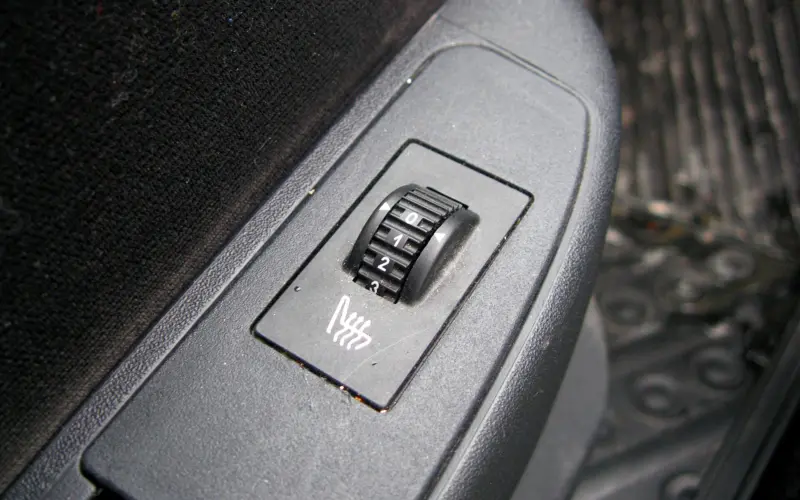
If your car has no built-in seat heating, our guide to heated seat covers explains what matters with side airbags and the 12-volt fuse.
Frequently asked questions
When are winter tires mandatory?
Germany has no fixed winter tire season. Under Section 2(3a) of the German Road Traffic Regulations (StVO), the requirement depends on road conditions: in black ice, packed snow, slush, ice or frost, all wheels need winter tires. The "O to O" rule (October to Easter, Oktober bis Ostern) is only a rule of thumb; a cold snap in April also calls for winter tires.
Are M+S tires still enough as winter tires?
No. Since October 1, 2024, the M+S marking alone is no longer sufficient. Under Section 36(4) of the German Road Vehicle Registration and Licensing Regulations (StVZO), the tire must carry the Alpine symbol, the mountain pictogram with a snowflake according to UN Regulation 117. If you are stopped in snow or ice with the wrong tires, you pay a fine and get a penalty point, according to the ADAC overview.
How much tread do winter tires need?
Under Section 36(3) StVZO, the legal minimum is 1.6 millimeters, which is far too little for snow. The ADAC, Germany's largest automobile club, advises replacing winter tires once they drop below four millimeters and not driving on tires older than eight years. The age is shown by the four-digit DOT code on the sidewall, for example 3923 for week 39 of 2023.
What does the EU tire label tell you about winter tires?
It shows rolling resistance and wet grip in classes A to E as well as rolling noise in decibels; a snow symbol only appears after a passed snow test. How the tire performs on snow, in corners or over many kilometers is not on it. The label is useful as a first filter; independent tests in your own size should make the decision.
Are all-season tires enough instead of winter tires?
If you drive little on flat terrain and the car can stay parked when it snows, a good all-season tire may be enough. Commuters in hilly upland regions and anyone who drives into the mountains every winter are better served with true winter tires.
Which winter tire suits larger wheels from 17 inches?
In the mid-size car size 225/50 R17, the Continental WinterContact TS 870 with 2.3 and the Goodyear UltraGrip Performance 3 with 2.4 were almost level. In the small-car size, however, the Goodyear only reached 3.3. With the Bridgestone Blizzak 6, pay attention to the model name: in the small size, the older LM 005 was tested.
Sources
- ADAC winter tire test 2026 (September 22, 2026)
- ÖAMTC winter tire test 2026, all scores
- Continental: press release on the ADAC test
- Section 2 StVO (gesetze-im-internet.de)
- Section 36 StVZO (gesetze-im-internet.de)
- ADAC: Alpine symbol and fines
- Regulation (EU) 2020/740 on the tire label
- Michelin: launch of the Alpin 7
Where to buy
- Continental WinterContact TS 870Check price at Amazon.deCheck price at Amazon.co.ukCheck price at Amazon.nlCheck price at Amazon.com.beCheck price at Amazon.frCheck price at Amazon.itCheck price at Amazon.esCheck price at Amazon.plCheck price at Amazon.seAvailable in Germany: Amazon.de
- Michelin Alpin 7Check price at Amazon.deCheck price at Amazon.co.ukCheck price at Amazon.nlCheck price at Amazon.com.beCheck price at Amazon.frCheck price at Amazon.itCheck price at Amazon.esCheck price at Amazon.plCheck price at Amazon.seAvailable in Germany: Amazon.de
- Goodyear UltraGrip Performance 3Check price at Amazon.deCheck price at Amazon.co.ukCheck price at Amazon.nlCheck price at Amazon.com.beCheck price at Amazon.frCheck price at Amazon.itCheck price at Amazon.esCheck price at Amazon.plCheck price at Amazon.seAvailable in Germany: Amazon.de
- Hankook Winter i*cept RS3 W462Check price at Amazon.deCheck price at Amazon.co.ukCheck price at Amazon.nlCheck price at Amazon.com.beCheck price at Amazon.frCheck price at Amazon.itCheck price at Amazon.esCheck price at Amazon.plCheck price at Amazon.seAvailable in Germany: Amazon.de
- Bridgestone Blizzak 6Check price at Amazon.deCheck price at Amazon.co.ukCheck price at Amazon.nlCheck price at Amazon.com.beCheck price at Amazon.frCheck price at Amazon.itCheck price at Amazon.esCheck price at Amazon.plCheck price at Amazon.seAvailable in Germany: Amazon.de
Still undecided?
Keep comparing at your own pace – every article in this category is checked monthly for new and discontinued models.