Contents16 sections
This guide was first published in German on handgetestet.de.
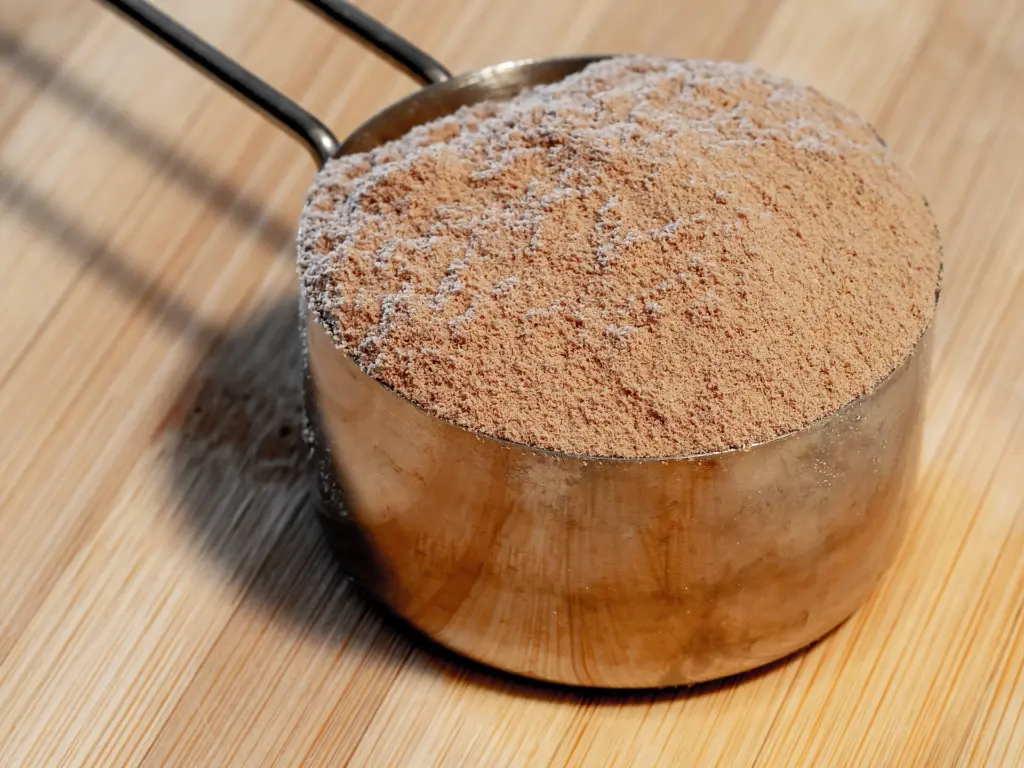
Most people who buy protein powder don’t need any. The German Nutrition Society (DGE) recommends 0.8 grams of protein per kilogram of body weight per day for adults up to 65. According to the German consumer advice center (Verbraucherzentrale), both men and women in Germany already reach this value on average with their normal diet. If you want a powder anyway for convenience, we recommend a plain whey isolate or a vegan multi-source protein with a short ingredient list.
How much protein does a person actually need?
At 70 kilograms, that comes to around 56 grams a day. From 65, the DGE gives an estimated value of 1.0 gram per kilogram, because muscle mass is lost more easily with age. For athletes who train more than five hours a week, the Verbraucherzentrale points to a range from the EFSA of 1.2 to 2.0 grams per kilogram.
Sounds like a lot. But people who train more usually eat more too, and protein rises with the amount on its own. According to the Verbraucherzentrale, a liter of low-fat milk or soy drink provides about 35 grams, and 500 grams of low-fat quark about 68 grams.
Does more protein mean better performance?
In the vast majority of cases, no. Many recreational athletes overestimate their needs, writes the Verbraucherzentrale, and extra protein then brings no athletic advantage. The German consumer testing organization Stiftung Warentest reached the same conclusion in its test of 21 protein powders (test 4/2020, published on 03/28/2020): for recreational athletes, the powders are unnecessary. At the time, some products stood out for contaminants, and with several, the labeling of flavorings was inadequate. Many formulations have changed since then. We are not aware of a current Öko-Test review of classic protein powder.
A powder can still be useful, for example when traveling or when your appetite is low. If you eat plant-based, our books on vegan cooking (in German) offer high-protein recipes that can often replace the powder.
What is the tub allowed to promise?
Advertising for foods with health claims is governed by the EU Health Claims Regulation (EC) No 1924/2006. Only a few claims are authorized for protein in the European Union, and only if the product qualifies at least as a source of protein. The wording is: „Protein contributes to a growth in muscle mass,“ „Protein contributes to the maintenance of muscle mass“ and „Protein contributes to the maintenance of normal bones.“ According to the Verbraucherzentrale, there is no separate authorized claim for whey. Promises such as „fast muscle building,“ „fat burning“ or „against cravings“ are therefore marketing. None of it has been verified.
Can you take in too much protein?
There is no legal maximum for protein. According to the Verbraucherzentrale, intake up to twice the reference amount is considered safe. If intake stays above 2.0 grams per kilogram over a long period, strain on the kidneys cannot be ruled out, especially if their function is already impaired. Check with a doctor before taking it, especially if you have a medical condition, take medication or are pregnant. If you compete, you should also choose products from the Kölner Liste (Cologne List), which are tested for doping substances.
Concentrate, isolate, casein or plant: what is the difference?
According to the Verbraucherzentrale, whey concentrate contains 70 to 80 percent protein and still some milk sugar and fat. It is unsuitable for people with lactose intolerance. Whey isolate reaches 90 to 95 percent protein, contains less lactose and fat and often dissolves better. Casein, the second milk protein, thickens more. That is why it is popular in creamy shakes and quark dishes.
Common plant sources are pea, rice and soy. According to a 2023 review cited by the Verbraucherzentrale, soy is considered a good alternative to whey protein. Pea and rice are usually blended because their amino acids complement each other.
What do I look for on the ingredient list?
People rarely go wrong with the type of protein. Much more often with the flavor. Almost all flavored powders contain sweeteners such as sucralose, acesulfame K or steviol glycosides, plus flavorings, emulsifiers and thickeners. The term „whey“ is not legally protected; only the ingredient list counts. If an online shop does not show it in full, consumer advocates advise against buying. And a printed flag says nothing about where the milk comes from.
Seven protein powders you can find on Amazon
Myprotein Impact Whey Isolate
According to the manufacturer, the isolate contains 82 grams of protein per 100 grams and less than one gram of fat. Myprotein has it tested for banned substances under the Informed Choice program. The flavored versions are sweetened with sucralose. Per kilo, it costs about as much online as the well-known concentrate blends. In return, you get more protein and less milk sugar.
ESN Designer Whey
ESN blends ultrafiltered concentrate with isolate and a little hydrolyzed isolate. For the Vanilla Milk flavor, the retailer lists 78 grams of protein per 100 grams, sweetened with sucralose and steviol glycosides. Other flavors use acesulfame K.
foodspring Whey Protein
foodspring advertises milk from pasture-raised cows in Germany. According to the ingredient list, the vanilla powder consists of 72 percent concentrate and 23 percent isolate, which works out to about 76 grams of protein per 100 grams. You are likely paying extra for the pasture milk.
More Nutrition Total Protein
Whey protein concentrate and calcium caseinate, supplemented with the enzyme lactase, which breaks down milk sugar. The casein makes the shake thicker. More Nutrition advertises it as „Anti-Craving,“ which is not an authorized health claim. As an ingredient for quark or porridge, the blend still works well.
Weider Day & Night Casein
Pure casein powder based on calcium caseinate, containing lactose according to the product information. Because casein is digested more slowly than whey, it is marketed as an evening shake. Does that offer a proven advantage over a tub of low-fat quark, which also contains a lot of casein? None of the sources we evaluated shows that.
Rocka Nutrition NO WHEY PRO
Rocka names pea protein isolate and fava bean protein as the base of NO WHEY PRO, without soy or nuts, plus vitamin B12. According to the seller, each serving provides up to 24 grams of protein. Be careful with the other NO WHEY varieties. They may contain soy and almond.
Bulk Veganes Protein Pulver
According to the seller, Bulk combines pea protein isolate with brown rice, pumpkin and quinoa protein plus flaxseed, without soy. If you want a single protein source, Bulk also sells pure rice, pea or soy protein.
So which powder is right for me?
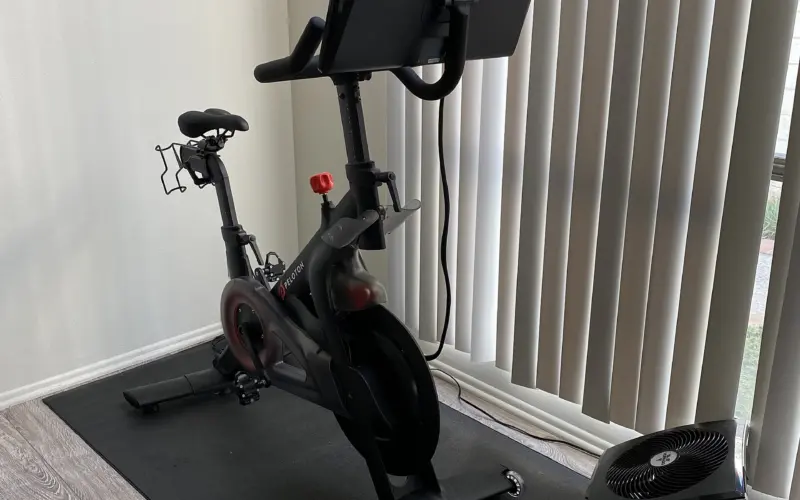
If you train two or three times a week, you don’t need any. Quark, legumes, eggs and milk are enough. If you want to stay fit at home on a treadmill or an exercise bike (in German), good equipment will do more for you than shakes.
- Milk protein with little lactose: Myprotein Impact Whey Isolate, ideally unflavored.
- Sweet and varied: ESN Designer Whey or foodspring Whey, keeping in mind that they contain sweeteners.
- For baking or quark: More Nutrition Total Protein or Weider Casein.
- Vegan: Rocka NO WHEY PRO or Bulk Veganes Protein (vegan protein powder), depending on whether you need to avoid soy.
- Competition: only products currently on the Kölner Liste.
You can also get protein onto your plate without powder: five recipes with the protein per serving are in our guide to high-protein Korean cooking.
Frequently asked questions
How much protein does an adult need per day?
The German Nutrition Society (DGE) recommends 0.8 grams of protein per kilogram of body weight for adults up to 65, so around 56 grams at 70 kilograms. From 65, it gives an estimated value of 1.0 gram per kilogram. For athletes training more than five hours a week, the EFSA cites a range of 1.2 to 2.0 grams.
Does protein powder improve performance for recreational athletes?
In the vast majority of cases, no. According to the German consumer advice center (Verbraucherzentrale), many recreational athletes overestimate their needs, and extra protein then brings no athletic advantage. The German consumer testing organization Stiftung Warentest reached the same conclusion in test 4/2020. A powder can be useful when traveling or when your appetite is low, for example.
What is the difference between whey concentrate and whey isolate?
According to the Verbraucherzentrale, concentrate contains 70 to 80 percent protein plus some milk sugar and fat and is unsuitable for people with lactose intolerance. Isolate reaches 90 to 95 percent protein, contains less lactose and fat and often dissolves better.
Can you take in too much protein?
There is no legal maximum. According to the Verbraucherzentrale, intake up to twice the reference amount is considered safe. If it stays above 2.0 grams per kilogram for a long time, strain on the kidneys cannot be ruled out. Check with a doctor before taking it, especially if you have a medical condition, take medication or are pregnant.
What should you look for on the ingredient list?
Almost all flavored powders contain sweeteners such as sucralose, acesulfame K or steviol glycosides, along with flavorings, emulsifiers and thickeners. The term "whey" is not legally protected; only the ingredient list counts. If an online shop does not show it in full, consumer advocates advise against buying.
Which protein powder is suitable for competitive athletes?
If you compete, choose only products that are currently on the Kölner Liste (Cologne List), a German list of products tested for doping substances. According to the manufacturer, Myprotein also has its Impact Whey Isolate tested for banned substances under the Informed Choice program.
Sources
- Verbraucherzentrale: Whey protein, what you should know about whey (as of 03/18/2026)
- Verbraucherzentrale: Extra protein unnecessary even for athletes (01/06/2025)
- DGE: Frequently asked questions about protein
- Stiftung Warentest: Protein powders tested (test 4/2020)
- Regulation (EU) No 432/2012, authorized health claims
- Myprotein: Impact Whey Isolate
- ESN Designer Whey, product information from the retailer
- Rocka Nutrition: NO WHEY PRO
- Bulk: vegan proteins
Where to buy
- Myprotein Impact Whey IsolateCheck price at Amazon.deCheck price at Amazon.co.ukCheck price at Amazon.nlCheck price at Amazon.com.beCheck price at Amazon.frCheck price at Amazon.itCheck price at Amazon.esCheck price at Amazon.plCheck price at Amazon.seAvailable in Germany: Amazon.de
- ESN Designer WheyCheck price at Amazon.deCheck price at Amazon.co.ukCheck price at Amazon.nlCheck price at Amazon.com.beCheck price at Amazon.frCheck price at Amazon.itCheck price at Amazon.esCheck price at Amazon.plCheck price at Amazon.seAvailable in Germany: Amazon.de
- foodspring Whey ProteinCheck price at Amazon.deCheck price at Amazon.co.ukCheck price at Amazon.nlCheck price at Amazon.com.beCheck price at Amazon.frCheck price at Amazon.itCheck price at Amazon.esCheck price at Amazon.plCheck price at Amazon.seAvailable in Germany: Amazon.de
- More Nutrition Total ProteinCheck price at Amazon.deCheck price at Amazon.co.ukCheck price at Amazon.nlCheck price at Amazon.com.beCheck price at Amazon.frCheck price at Amazon.itCheck price at Amazon.esCheck price at Amazon.plCheck price at Amazon.seAvailable in Germany: Amazon.de
- Weider Day & Night CaseinCheck price at Amazon.deCheck price at Amazon.co.ukCheck price at Amazon.nlCheck price at Amazon.com.beCheck price at Amazon.frCheck price at Amazon.itCheck price at Amazon.esCheck price at Amazon.plCheck price at Amazon.seAvailable in Germany: Amazon.de
- Rocka Nutrition NO WHEY PROCheck price at Amazon.deCheck price at Amazon.co.ukCheck price at Amazon.nlCheck price at Amazon.com.beCheck price at Amazon.frCheck price at Amazon.itCheck price at Amazon.esCheck price at Amazon.plCheck price at Amazon.seAvailable in Germany: Amazon.de
- Bulk Veganes Protein PulverCheck price at Amazon.deCheck price at Amazon.co.ukCheck price at Amazon.nlCheck price at Amazon.com.beCheck price at Amazon.frCheck price at Amazon.itCheck price at Amazon.esCheck price at Amazon.plCheck price at Amazon.seAvailable in Germany: Amazon.de
Still undecided?
Keep comparing at your own pace – every article in this category is checked monthly for new and discontinued models.