Contents12 sections
This guide was first published in German on handgetestet.de.
“Economical” is the word that starts most bad decisions about electric heaters. An infrared panel turns one kilowatt-hour of electricity into one kilowatt-hour of heat. So does a fan heater. That is how the German consumer advice center (Verbraucherzentrale) puts it. If you only need to warm the bathroom in the morning or the guest room in the evening, a fan heater with a thermostat is enough. If, on the other hand, you regularly sit in the same spot and want quiet, you are better off hanging a wall panel with a thermostat.
Two ways to distribute heat
A fan heater blows air over a heating element. The room warms up quickly. In return, you hear the fan. The consumer advice center also points out that dust burns on the heating wires and air quality suffers.
An infrared panel runs silently and first warms walls, furniture and people in its line of sight. That takes time. And it needs a free wall area. The consumer advice center recommends mounting the panels so that you sit directly in front of them. According to the consumer advice center, they do not use significantly less electricity than other electric heaters, even if advertising likes to suggest otherwise. So the advantage lies in comfort. Not on the bill.
Output, controls, clearance: the technical basics
- Output for the room size: Manufacturer figures are guidelines. For a 600-watt panel, Könighaus states 8 to 16 square meters, depending on insulation, windows and exterior walls. The twofold range shows how much difference a drafty old building makes. De’Longhi and Könighaus also note that their devices are only suitable for well-insulated rooms or occasional use.
- Thermostat: Without a controller, a panel simply keeps heating. According to Vitalheizung, permanently mounted infrared heaters above 250 watts may only be sold together with an approved control. The Könighaus P series panels do not even have an on/off switch. So plan for the controller right from the start.
- Heat and clearance: According to the German Fire Brigade Association (Deutscher Feuerwehrverband), a fan heater can get as hot as 400 degrees. It belongs neither next to curtains nor on a shag rug. According to the association, the CE mark certifies, among other things, that a device switches off when it overheats.
- No power strip: Stiftung Warentest, the German consumer testing organization, advises plugging fan heaters and radiant heaters directly into a wall outlet as a precaution, not into a power strip.
- Tip-over protection: A criterion for floor-standing fan heaters in households with children or pets. Whether a model has it is stated in the data sheet; not every manufacturer mentions it.
Protection zones in the bathroom
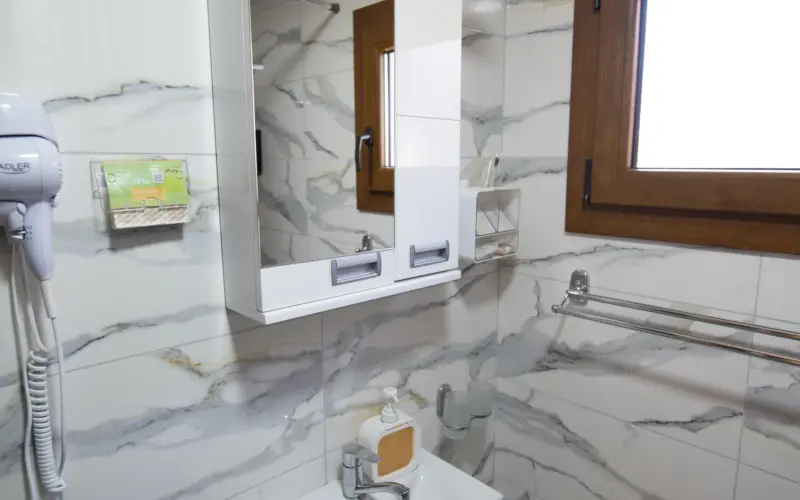
For rooms with a tub or shower, the protection zones of the German standard DIN VDE 0100-701 apply. According to Baunetz Wissen, zone 1 extends above the tub or shower up to a height of 2.25 meters and requires devices rated at least IPX5. Zone 2 is a 60-centimeter-wide strip next to it, where IPX4 applies. Standard 230-volt outlets are not permitted in these zones.
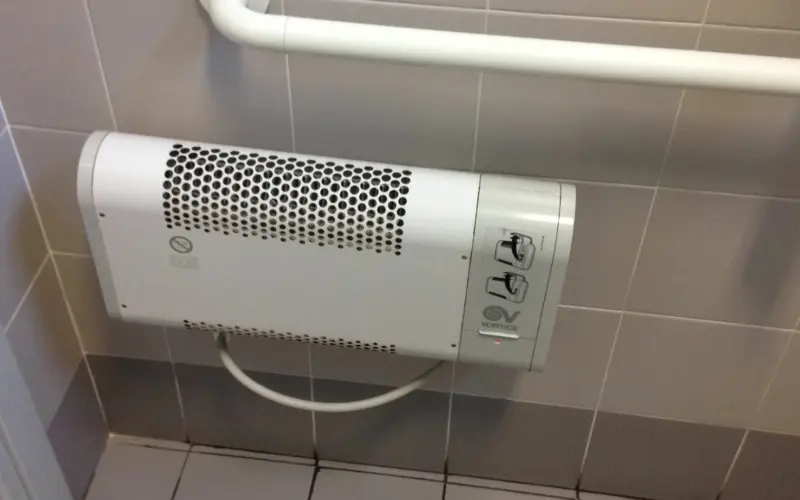
In practice, that means: a plug-in fan heater belongs outside these zones, at a distance from the tub and sink. An infrared panel rated IP44 may hang in zone 2 as a permanently installed device; a qualified electrician then handles the connection. A “splash-proof” bathroom fan heater protects against drops, not against a shower.
Running costs can be calculated
Output in kilowatts times operating hours times the energy rate on your electricity bill. That is all there is to it. A 2-kilowatt fan heater that runs at full power for two hours a day uses 4 kilowatt-hours a day and 120 a month. At the sample price of 41 cents that the consumer advice center uses in its calculation, that would be just under fifty euros a month for a single room.
A thermostat shortens the running time. The output per hour stays the same. If you heated an entire apartment this way, the consumer advice center estimates the electricity bill would rise five- to tenfold. According to the consumer advice center, cheaper heating tariffs are often not available for infrared heaters. Electric direct heaters are therefore a supplement for individual rooms and hours. They are no replacement for central heating in an old building.
Five devices from two camps
Könighaus P series with thermostat
Könighaus makes the wall panels from 130 to 1,200 watts, all rated IP44, with overheat protection and a surface temperature of 75 to 125 °C. Könighaus offers a five-year manufacturer’s warranty. There is no switch. That is why the set with a plug-in thermostat is the more sensible choice, even though buyers give that controller mixed reviews. Könighaus’s wireless or smart thermostat offers finer control.
Vitalheizung HVH900 Kreis
115 centimeters in diameter, 900 watts, designed for walls and ceilings: that is how Vitalheizung describes the round panel. At 21.5 kilograms, it needs a ceiling that can bear the load and solid mounting. Vitalheizung states IP44 and a seven-year warranty. A thermostat is not part of the product specifications. It has to be planned for separately.
Rowenta Intense Comfort + Aqua
Rowenta describes this fan heater as a bathroom device: a plastic cover protects the controls from splashing water, and according to the manufacturer it also has tip-over protection, overheat protection, frost protection and a mechanical thermostat. The data sheet gives a room size of 25 to 30 square meters. The protection rating information that Rowenta provides online, however, is inconsistent. So read the user manual before buying.
De’Longhi HFX65V20
According to De’Longhi, the tower fan heater runs at 1,200 or 2,000 watts, switches off electronically when it tips over and has a safety thermostat. A remote control, washable dust filter and frost protection are included. De’Longhi does not state a protection rating for the bathroom. So it stays in the living area.
De’Longhi Capsule HFX30C18
Depending on the color variant, the Capsule weighs 1.3 to 1.5 kilograms according to De’Longhi, at 900 or 1,800 watts. A safety thermostat, double insulation and frost protection are listed. De’Longhi does not mention tip-over protection for this model. In terms of price, it sits well below the other devices. Buyers occasionally criticize the noise and the short cord. For the workspace in a chilly guest room, it is enough. For a child’s room, we would choose a model with tip-over protection.
Which device belongs where
For a fixed, regularly used spot, our pick is the Könighaus P series with thermostat, with the output chosen for your room size according to the manufacturer’s figures and, in an old building, rather one step higher. If the panel is going on the ceiling, the Vitalheizung HVH900 Kreis is an option, with a separate thermostat and professional installation. For the bathroom, briefly in the morning: Rowenta Intense Comfort + Aqua, set up outside the protection zones. The living room that needs to warm up quickly gets the De’Longhi HFX65V20 with tip-over switch and remote control. And if you only heat occasionally and want to spend little, go for the De’Longhi Capsule HFX30C18. With clearance from anything flammable.
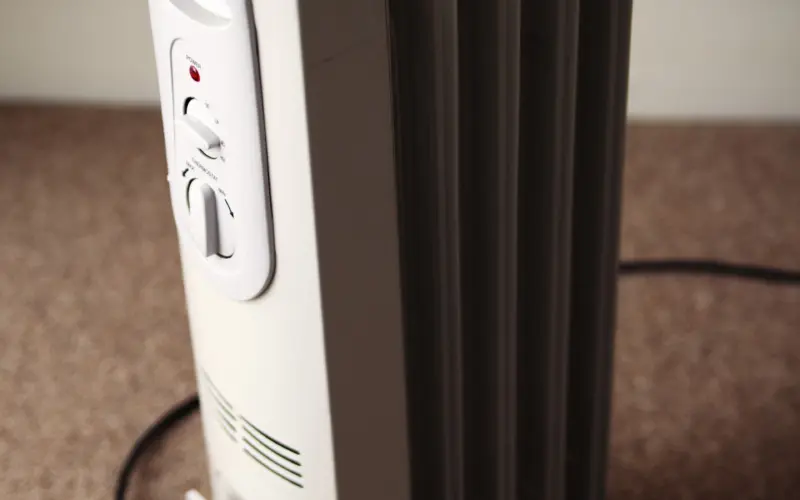
Quiet, even heat without installation tends to come from an oil-filled radiator, the calmer alternative to a fan heater: our overview of oil-filled radiators. If atmosphere matters more, the electric fireplace guide is worth a look. For garages and hobby rooms, different standards apply to dust and output; they are covered in the workshop heater guide (in German).
Once you know your consumption, you should also check the price per kilowatt-hour. Deadlines, special termination rights and the typical bonus traps are explained in our guide to switching electricity providers (in German).
How panels and convectors are controlled via thermostat and switching actuator, and which devices must not be switched externally, is covered in the guide controlling electric heaters smartly (in German).
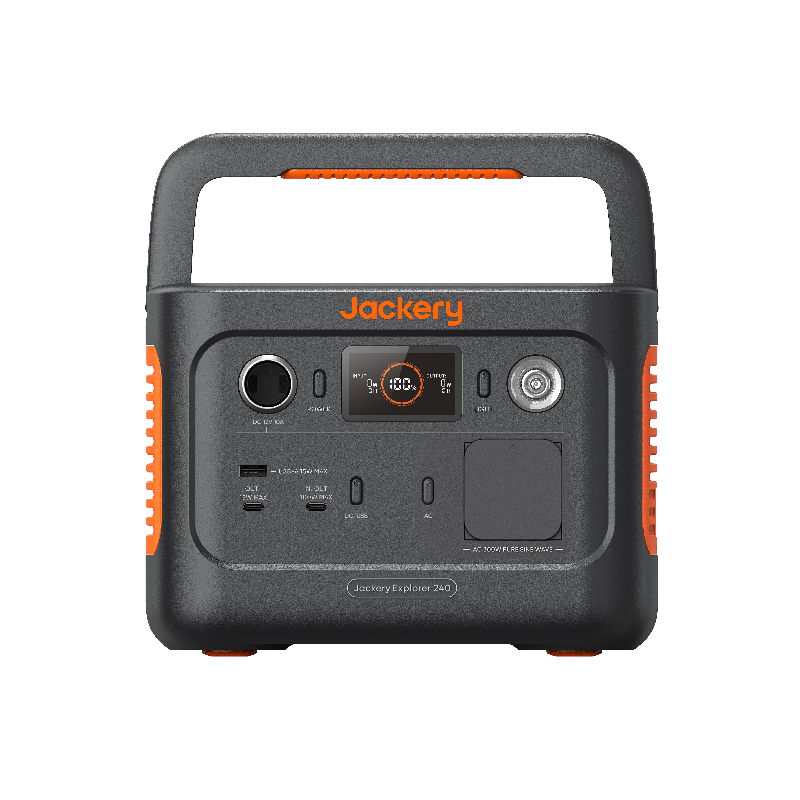
Running a fan heater on a battery does not pay off: the numbers are in the guide power station and fan heater.
How much output a room really needs is calculated in the guide infrared heaters: watts per square meter (in German).
Which protection rating applies where and what heated mirrors can do is explained in the guide to infrared heaters in the bathroom.
Protection zones, RCD protection and mounting height are covered in the guide to fan heaters for the bathroom.
When a convector works as emergency heating and when the math tips the other way is covered in the guide to convector heaters (in German).
Frequently asked questions
Is an infrared heater more economical than a fan heater?
No. According to the consumer advice center, infrared panels do not use significantly less electricity than other electric heaters, even if advertising suggests otherwise. Both turn one kilowatt-hour of electricity into one kilowatt-hour of heat. The panel's advantage is comfort: it runs silently and warms whatever is in its line of sight.
How do you calculate the electricity costs of an electric heater?
Output in kilowatts times operating hours times the energy rate on your electricity bill. A 2-kilowatt fan heater that runs at full power for two hours a day uses 4 kilowatt-hours a day and 120 a month. A thermostat shortens the running time; the output per hour stays the same.
Can a fan heater be used in the bathroom?
A plug-in fan heater belongs outside the protection zones defined by the German standard DIN VDE 0100-701, at a distance from the tub and sink. Zone 1 extends above the tub or shower up to a height of 2.25 meters, and zone 2 is a 60-centimeter-wide strip next to it. An infrared panel rated IP44 may be permanently installed in zone 2.
Does an infrared heater need a thermostat?
Yes. Without a controller, a panel simply keeps heating. According to Vitalheizung, permanently mounted infrared heaters above 250 watts may only be sold together with an approved control. The Könighaus P series panels do not even have an on/off switch, which is why the set with a plug-in thermostat is the more sensible choice.
What should you look for in fan heater safety?
According to the German Fire Brigade Association (Deutscher Feuerwehrverband), a fan heater can get as hot as 400 degrees and belongs neither next to curtains nor on a shag rug. Stiftung Warentest, the German consumer testing organization, advises plugging it directly into a wall outlet, not into a power strip. With children or pets in the household, tip-over protection also matters.
Can you heat an entire apartment with electric heaters?
The sources advise against it. If you heated an entire apartment this way, the consumer advice center estimates the electricity bill would rise five- to tenfold, and cheaper heating tariffs are often not available for infrared heaters. Electric direct heaters are a supplement for individual rooms and hours.
Sources
- Verbraucherzentrale energy advice: Electric direct heating
- Verbraucherzentrale: Cheaper heating tariffs are often not available for infrared heaters
- Baunetz Wissen: Electrical protection zones in the bathroom
- Deutscher Feuerwehrverband: Increased fire risk from alternative heating methods
- Stiftung Warentest: Power strips
- Könighaus: Product brochure 2026
- Vitalheizung: HVH900 Kreis
- Rowenta: Intense Comfort + Aqua
- De’Longhi: HFX65V20
- De’Longhi: Capsule HFX30C18
Where to buy
- Könighaus P-Serie mit ThermostatCheck price at Amazon.deCheck price at Amazon.co.ukCheck price at Amazon.nlCheck price at Amazon.com.beCheck price at Amazon.frCheck price at Amazon.itCheck price at Amazon.esCheck price at Amazon.plCheck price at Amazon.seAvailable in Germany: Amazon.de
- Vitalheizung HVH900 KreisCheck price at Amazon.deCheck price at Amazon.co.ukCheck price at Amazon.nlCheck price at Amazon.com.beCheck price at Amazon.frCheck price at Amazon.itCheck price at Amazon.esCheck price at Amazon.plCheck price at Amazon.seAvailable in Germany: Amazon.de
- Rowenta Intense Comfort + Aqua SO9350Check price at Amazon.deCheck price at Amazon.co.ukCheck price at Amazon.nlCheck price at Amazon.com.beCheck price at Amazon.frCheck price at Amazon.itCheck price at Amazon.esCheck price at Amazon.plCheck price at Amazon.seAvailable in Germany: Amazon.de
- De'Longhi HFX65V20Check price at Amazon.deCheck price at Amazon.co.ukCheck price at Amazon.nlCheck price at Amazon.com.beCheck price at Amazon.frCheck price at Amazon.itCheck price at Amazon.esCheck price at Amazon.plCheck price at Amazon.seAvailable in Germany: Amazon.de
- De'Longhi Capsule HFX30C18Check price at Amazon.deCheck price at Amazon.co.ukCheck price at Amazon.nlCheck price at Amazon.com.beCheck price at Amazon.frCheck price at Amazon.itCheck price at Amazon.esCheck price at Amazon.plCheck price at Amazon.seAvailable in Germany: Amazon.de
Still undecided?
Keep comparing at your own pace – every article in this category is checked monthly for new and discontinued models.